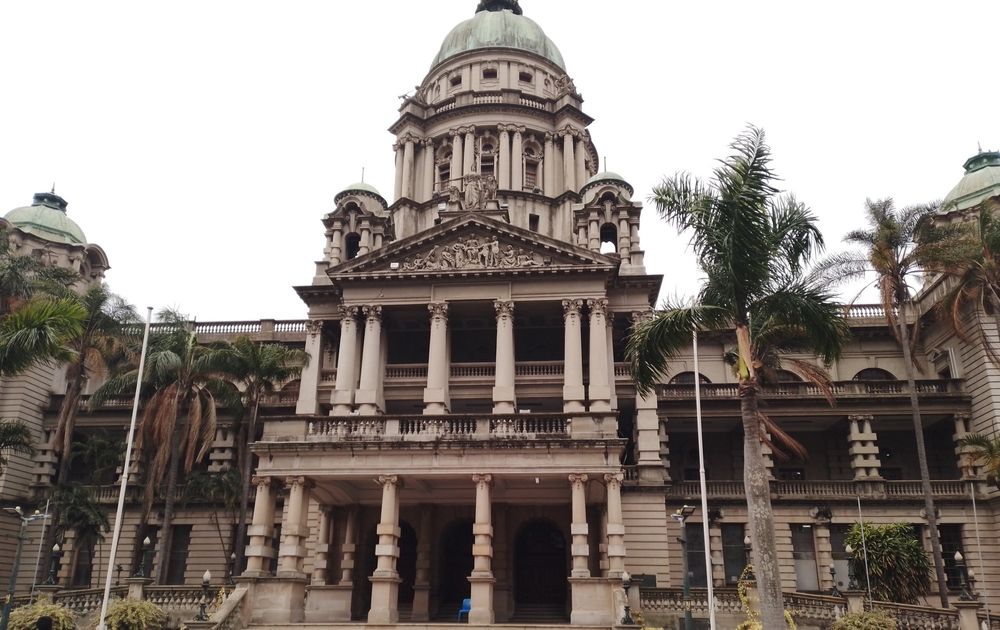
eThekwini Exco explained, Digimart Global (eThekwini, South Africa): eThekwini’s 223-seat council has no outright majority, so forming its 10-member executive committee (Exco) is a key step in setting up the municipality’s new political leadership. The Exco structure differs from the executive mayor and mayoral committee (Mayco) model used in municipalities such as Johannesburg and Tshwane.
How the two structures differ
According to the report published by IOL, eThekwini operates under a collective executive system, in which the Exco exercises authority collectively. In municipalities with a Mayco, executive authority rests with an executive mayor, who appoints the committee members and allocates their responsibilities.
Under the Local Government: Municipal Structures Act, the municipal council constitutes eThekwini’s Exco, and political parties are allocated positions according to their representation on council. The mayor chairs the 10-member committee but does not independently appoint the other members.
The Act provides that an executive committee may have no more than 10 members or 20% of the councillors, whichever is fewer, and at least three members.
Why the arrangement matters now
The distinction is particularly relevant after the November 4 local government elections, which left eThekwini with a hung council. The MK Party won the most seats with 86, followed by the DA with 57, the ANC with 37, the IFP with 15, ActionSA with seven and the EFF with four.
Smaller parties secured the remaining 17 seats. No single party reached the 112 seats needed for an outright majority.
Because Exco positions are allocated in proportion to each party’s seats, coalition arrangements will shape the makeup of the executive. The IOL report notes that the full council keeps its decision-making powers, while the Exco carries out its executive responsibilities within the powers set by legislation and delegated by council.