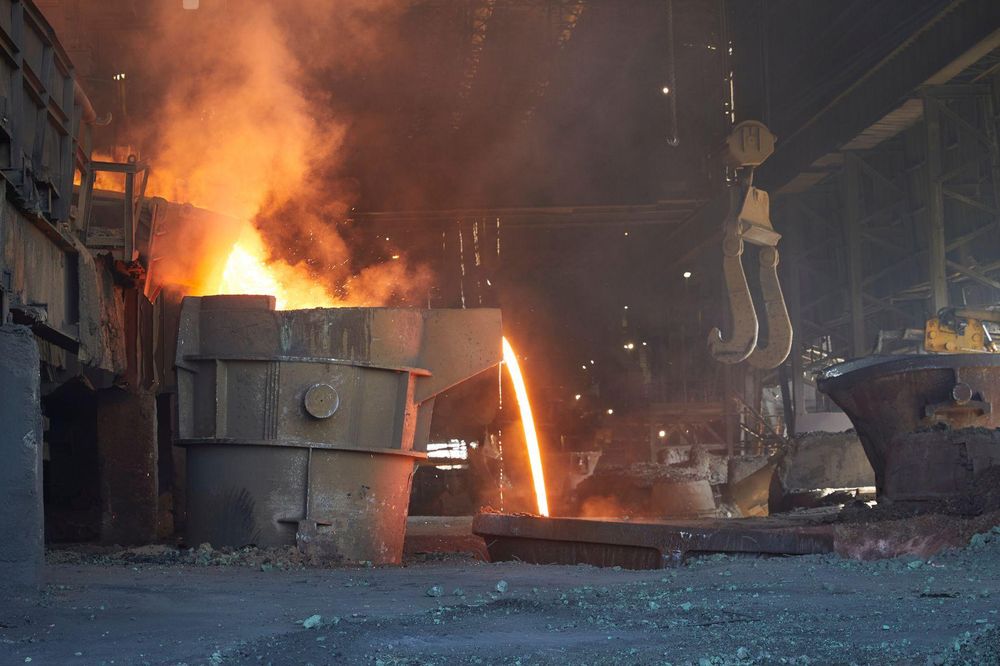
Transalloys manganese smelter, Digimart Global (eMalahleni, Mpumalanga, South Africa): South Africa is at risk of permanently losing its last manganese smelter, according to a publisher report by IOL. Transalloys, which employs more than 600 people at its eMalahleni plant in Mpumalanga, has warned that it will start cutting about 10% of its workforce unless the National Energy Regulator of South Africa (Nersa) approves a discounted electricity tariff agreed with Eskom in October.
The company, which halted production on 1 July after years of financial losses, says its financial position is deteriorating and its banking lines remain suspended. Its CEO and board chair, Konstantin Sadovnik, accused the regulator of dragging its feet and said Nersa had not started public participation on the proposal in the four weeks since Eskom lodged it.
Tariff dispute and the ferrochrome comparison
Sadovnik said Eskom supplied the information Nersa requested by 6 November. He contrasted the delay with the ferrochrome industry, where Nersa finalised a 62c/kWh tariff on 29 May 2026 and a comparable process was opened within seven days, according to his comments in a No Free Lunch podcast interview.
That deal led Glencore and Merafe’s chrome venture to withdraw its retrenchment process.
Transalloys was not included in that arrangement. Instead, Nersa approved a six-month suspension of its take-or-pay terms, which the company says is not meaningful relief.
The company did not disclose the price Eskom offered and says it is still expected to pay R1.35/kWh. Sadovnik has written to Nersa and relevant government departments asking for a timetable and approval before Christmas.
Industry impact and the outlook
The company says silicomanganese smelting is about 30% more energy-intensive than ferrochrome. It estimates the plant is an industrial asset worth about R6 billion and says permanent closure would endanger an estimated 7,000 livelihoods, including suppliers in eMalahleni.
Nellis Bester, chairperson of the Ferro Alloy Producers Association, said in July that the shutdown came as no surprise to the industry, which had long campaigned for tariff relief for smelters.
Sadovnik said the plant can restart quickly once conditions allow, but warned that there is a high risk it will never restart if it shuts down permanently. Nersa had earlier said Transalloys’ capital-intensive, continuous operations leave little short-term flexibility.
At the time of the report, the regulator had not publicly responded to the latest criticism.