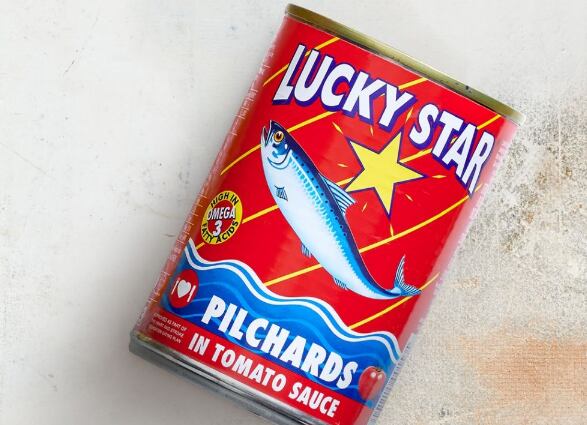
Lucky Star pilchard shortage, Digimart Global (South Africa): Oceana Group, the owner of Lucky Star, is looking at alternative fish species and expanding its canned meat and chicken business as it battles a global shortage of pilchards. The shortage has left the company unable to meet demand for one of South Africa’s most popular canned foods, according to a TimesLIVE report.
Why pilchard supplies have fallen
Oceana sourced between 50,000 and 100,000 tonnes of frozen pilchards from the northwestern Pacific in recent years. It could not secure any fish from that region in the year under review, and imported only 22,000 tonnes of frozen fish in the year to end-September.
That limited production at its local canneries and left stocks low going into the new financial year.
Lucky Star sold about 1.1-million cartons of pilchards in October and November up to the reporting date, compared with 2.3-million cartons in the same period last year. Oceana CEO Neville Brink said the drop was caused by a lack of stock rather than weaker demand.
Recent mass deaths of pilchards in South Africa and Namibia, attributed to a virus, have made the situation worse, although the full impact is still unclear.
Alternative supplies and herring
Oceana has made a vessel available to the government for a 45-day research trip to assess fish stocks ahead of next year’s quota allocations. In the meantime, the group has contracted a cannery in Morocco to help with production and secured more than 7,000 tonnes of herring, some of which is already being processed at a cannery in China.
The canned herring is expected to reach the market early next year, sold in tomato and chilli sauces similar to those used for Lucky Star pilchards. Brink said herring could remain part of the Lucky Star range even if pilchard supplies recover.
Costs and consumer pressure
Oceana implemented another price increase in November because of higher raw material costs, and is looking at ways to cut costs at its two West Coast canneries. Brink said the company needed to keep its products affordable, noting that the consumer is under strain and food inflation is high.
Growth beyond canned fish
Oceana plans to expand production capacity at its canned meat and chicken facilities in 2027, after recording volume growth of 51% in that category, which generates better margins than canned fish. It is also looking at setting up its own noodle manufacturing operation next year, having used third-party manufacturers until now.
Lucky Star launched a range of spices in October and is exploring opportunities in sauces, snacks and cereals.
Financial results
Despite the supply constraints, Lucky Star delivered a record operating profit of R530m, up 13.2%, helped by lower-cost stock carried over from the previous year and lower distribution costs. Across the group, revenue fell 4.2% to R9.6bn, while operating profit rose 20.8% to R1.5bn and headline earnings per share rose 50.5% to 850.3c.
Its US fishmeal and fish oil business, Daybrook, was the biggest contributor to earnings, with operating profit up 69% in dollar terms to $51m. Its African fishmeal and fish oil operations reported an operating loss of R175m because of poor catches, while the wild-caught seafood business increased operating profit 44% to R320m.