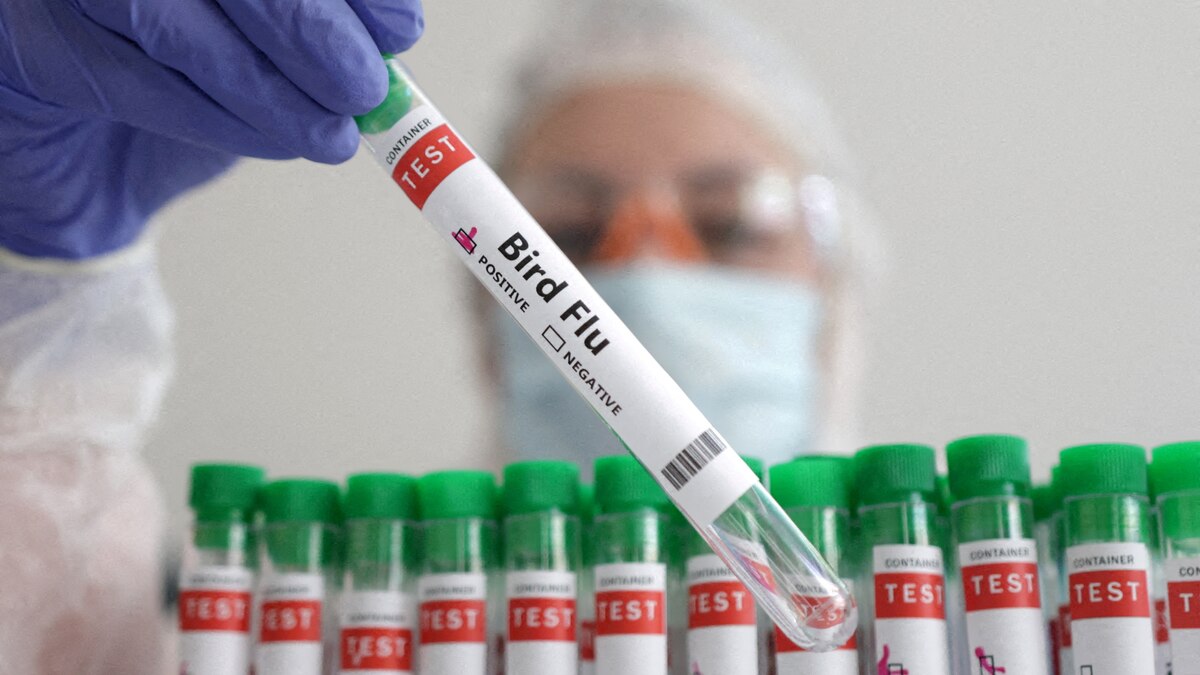
Bird flu death dairy cattle exposure, Digimart Global (Yakima County, Washington, United States): The World Health Organization (WHO) has confirmed the first death recorded worldwide after exposure to dairy cattle infected with avian influenza. The person who died was one of three farm workers in Yakima County, Washington, who contracted the infection.
All three affected people are adults working in an agricultural area where highly pathogenic avian influenza A(H5N1) had recently been detected in cows, according to a publisher report by Infobae citing Europa Press.
According to the report, the WHO was first notified of a confirmed human case on October 16. On November 4, the agency received reports of two more infections in the same state, including that of the patient who later died. Authorities have not yet determined whether the three workers were employed at the same farm.
The U.S. Department of Agriculture reported on November 4 that full genome analysis of viruses detected in the first two affected dairy herds in Washington identified genotype B3.13. The genetic study suggests the virus arrived from Idaho, probably through the movement of livestock.
The three cases followed different courses. The first patient developed eye irritation, nasal discharge, muscle pain and headache from October 5, consulted a doctor a week later, did not require hospitalisation and received oseltamivir.
The second patient, who had pre-existing conditions, developed respiratory symptoms, was hospitalised with a serious illness and died on November 1. The third worker developed conjunctivitis, sought medical care and recovered without hospitalisation.
The WHO rates the risk from A(H5N1) viruses to the general population as low. For people with occupational exposure to infected animals or contaminated environments, it rates the risk as low to moderate, and notes that this assessment could change as new information emerges.
The agency expects isolated human infections to continue as long as the virus circulates among animals. According to the publisher report citing Reuters, the United States had reported 75 human influenza A(H5) cases from 2024 through November 20, 2026, including the three in Washington.
Public health investigations, monitoring of exposed people and tracing of close contacts are continuing.
The WHO recommends avoiding unprotected contact with sick or dead animals and potentially contaminated environments, and advises farm and poultry workers to use appropriate personal protective equipment. It also advises against drinking raw milk or consuming unpasteurised dairy products.
If pasteurised milk is unavailable, boiling raw milk may reduce the risk. The U.S.
Centers for Disease Control and Prevention (CDC) advises monitoring for 10 days after the last contact with birds or other animals with confirmed or suspected avian influenza A infection. If respiratory symptoms or conjunctivitis appear in that period, the CDC suggests testing for influenza.