Digital outages, Digimart Global (France): Several recent incidents in France show how cyberattacks and software failures can disrupt physical systems, according to a Futura analysis. The report describes the problem as global and says a series of large IT failures has raised concerns about how dependent society has become on digital technology.
On October 12, 2026, refrigerators at hundreds of French supermarkets began defrosting and pushed the temperature of some cold rooms up to 50 °C, the report says. More than 700 stores were affected, thousands of tonnes of products were destroyed, and at least 15 fires were reported.
The attack was described as relatively unsophisticated, targeting remote temperature control of poorly secured refrigeration units. The Paris prosecutor’s office is investigating, and no claim of responsibility or attribution has been made, according to the publisher.
On November 2, 2026, cooling equipment at three regional sites of the Établissement français du sang (EFS), the French blood service, was targeted. The cold rooms that keep plasma for transfusions at -30 °C were reportedly pushed toward 110 °C, though that level was not reached.
The article says the plasma was transferred, nothing was lost, and authorities reported no health consequences. A link to the supermarket attacks has not been established.
The report also cites an ongoing cyberattack on the CHU de Guadeloupe hospital since November 21, which encrypted databases and disrupted IT and telephone systems. Non-priority care has been postponed, while the SAMU emergency service remains operational.
The publisher says the hospital’s functioning is heavily degraded.
Beyond France, the article points to a major aviation disruption in the United States that it attributes, without independent verification, to the rollout of a new AI-assisted air traffic control system that saturated infrastructure, a version of events it contrasts with official explanations of a single router failure. It also cites a large outage that blocked transactions for thousands of customers of JPMorgan Chase, described as a software failure rather than an attack, and a worldwide Microsoft Outlook and Microsoft 365 blackout, described as a bug that disabled more than 80 percent of servers.
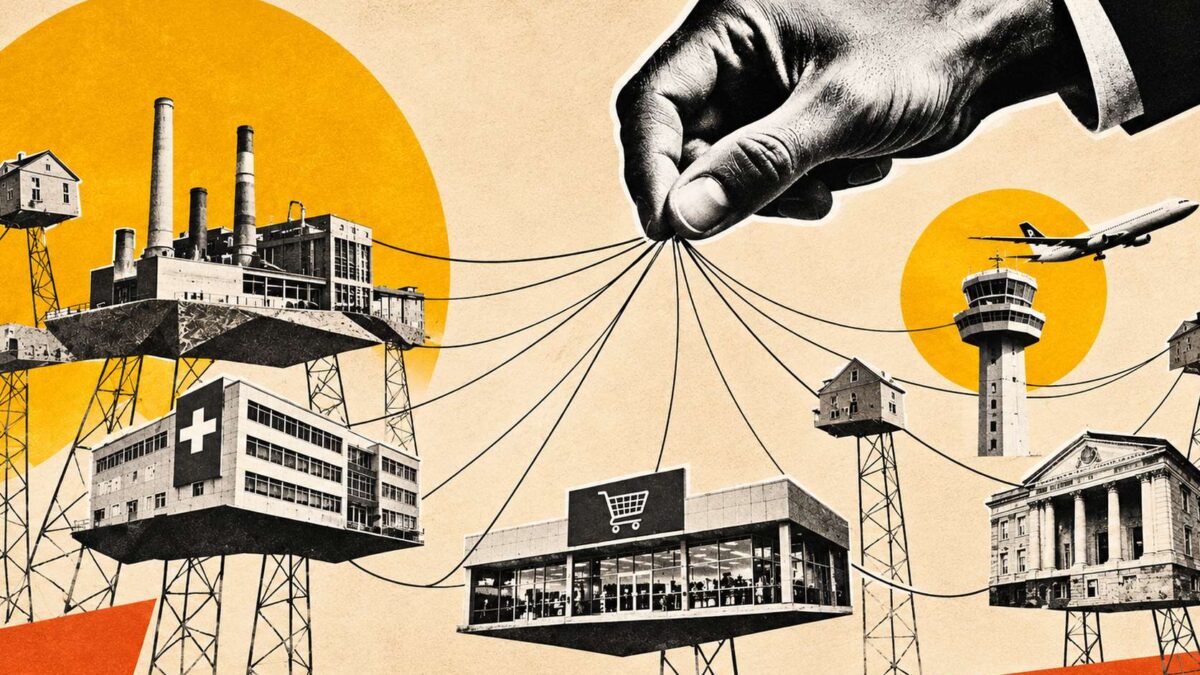
The publisher argues these incidents raise questions about dependence on a small number of technology providers, many of them American, and about the resilience of energy, water, telecommunications and payment systems. It notes that France plans a large simulation of a total energy blackout within months and that the government recommends household emergency kits sufficient for 72 hours during a major crisis.
The article concludes that the coming years will test the ability of states to care for and feed populations when systems fail.