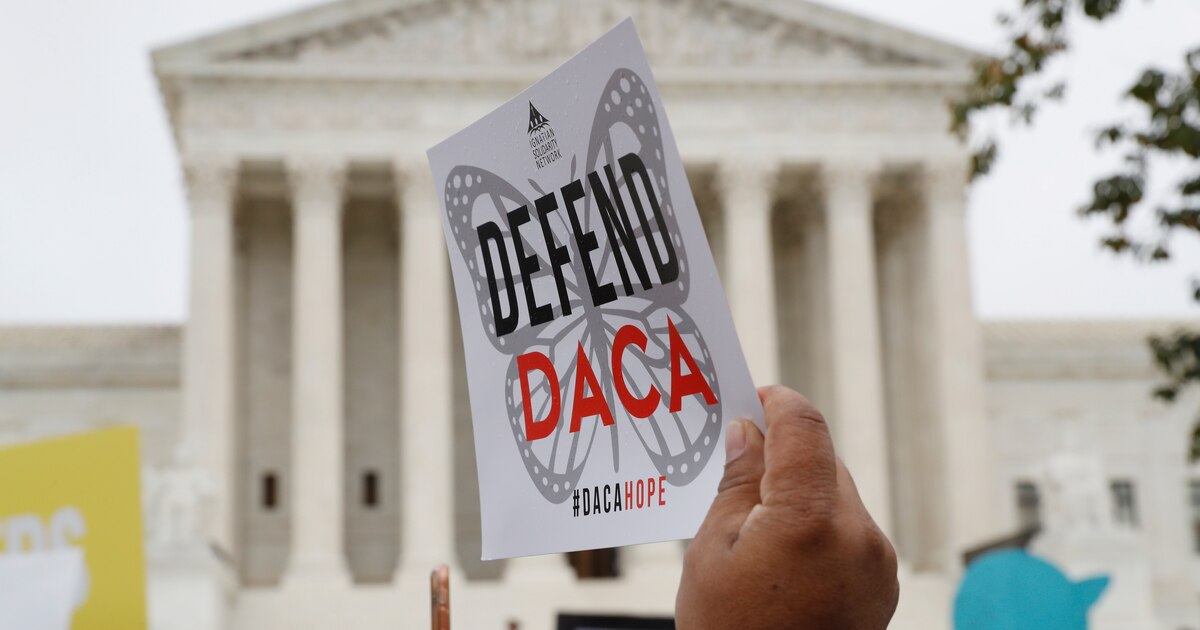
DACA renewal delays, Digimart Global (United States): DACA renewals are now taking close to seven months, according to estimates from U.S. Citizenship and Immigration Services (USCIS), and some beneficiaries have already lost their work permits while they wait.
The Deferred Action for Childhood Arrivals program, created in 2012 during the Obama administration, provides temporary protection from deportation and work authorization to undocumented immigrants who arrived in the United States as children.
Protection under DACA is renewed every two years, and each renewal costs about USD 600. USCIS recommends filing between 120 and 150 days before expiration, but with a seven-month wait, applicants who follow that guidance may still be left without coverage for weeks. In earlier years, waits ranged from two weeks to two months.
One recipient identified by WUSF as Angel, a Hillsborough resident who arrived from Mexico at age six, has had his renewal pending for six months. His protection expires on Thanksgiving Day, and as a recent computer engineering graduate of the University of Florida, he does not know whether he can accept a job offer.
“I worry that I will be deported and have no protection at all,” he said.
According to an analysis by CBS News published in October and based on USCIS data, active DACA recipients fell 14 percent to 436,350 between September 2025 and June 30. Pending renewals quadrupled to more than 125,000. The denial rate rose only slightly, to 1.1 percent, meaning most applications are delayed rather than rejected. USCIS attributed the situation to a renewed emphasis on background checks and review of social media accounts for content it described as anti-American.
The delays carry consequences beyond employment. Recipients in limbo can lose health insurance, are not eligible for unemployment benefits, and in some cases risk losing housing.
Javier Diego Jacinto, 27, waited more than nine months after his permit expired in late March and lost his job as an assistant school principal in Los Angeles. Berenice, who arrived at age two, told KCRA she lost her job, her place in a graduate program and the grandmother who raised her within nine months.
In May 2026, the Immigration Institute of the Bay Area and the East Bay Sanctuary Covenant filed a Freedom of Information Act request seeking records on internal changes behind the delays. After no response, both organizations sued federal agencies, represented by the Justice Action Center.
Attorney Hillary Li asked: “What changed, and why are beneficiaries facing growing delays despite meeting everything the government asked of them?”
Congress has not resolved the issue. In July, Representative Sylvia Garcia launched a discharge petition to force a vote on the American Dream and Promise Act, which would create a path to citizenship for Dreamers.
As of October 29 it had 217 of the 218 signatures needed. Only renewals, not new applications, are being processed under a federal court order from Texas in effect since 2021. Despite broad public support for DACA, the program still lacks legislative backing that would guarantee its continuity.