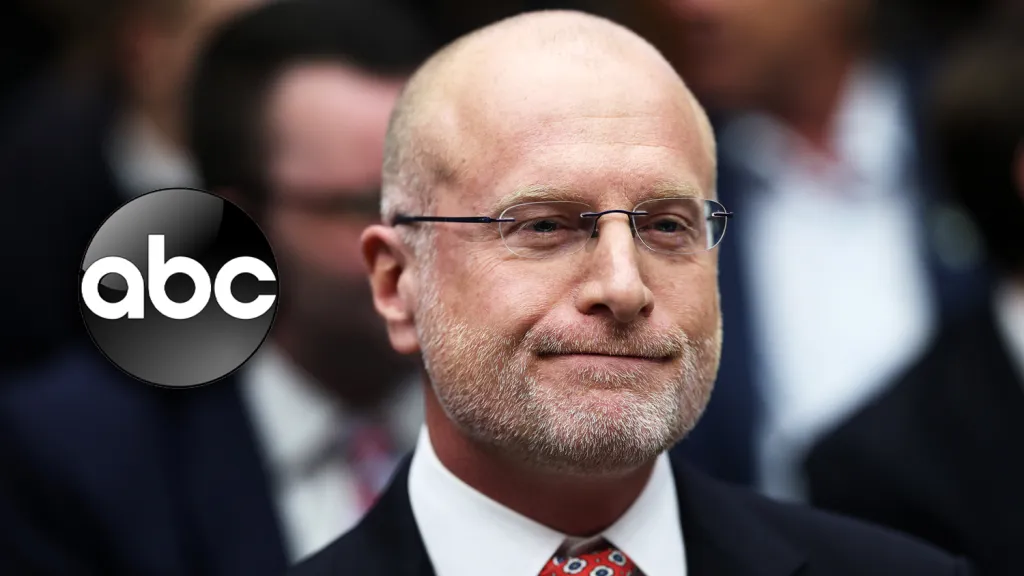
ABC FCC license review ruling, Digimart Global: A U.S. District Judge, Loren AliKhan, has largely sided with ABC in its First Amendment lawsuit against the Federal Communications Commission, according to a Deadline report.
The lawsuit claims that an FCC order requiring the network’s broadcast licenses to undergo early review was a retaliatory act by the Trump administration.
In a preliminary injunction issued on Wednesday, the judge barred the FCC from taking any further action in the license review. She concluded that ABC was “likely to succeed in their retaliation claim” and rejected the FCC’s bid to dismiss the case on jurisdictional grounds.
Why the judge found a risk to the network
The judge wrote that, given the possible loss of broadcast licenses, early license renewal proceedings create a risk sufficient to chill a broadcaster of ordinary firmness. She said ABC had already changed editorial decisions, citing the decision to place James Talarico’s guest appearance on Jimmy Kimmel Live on YouTube and ABC’s decision to livestream Trump’s July primetime speech.
According to the report, the network had cited Trump’s public attacks on Jimmy Kimmel and its news coverage, as well as warnings from FCC Chairman Brendan Carr, as evidence of regulatory retaliation. The judge also noted the timing of the FCC’s order, which came a day after Trump posted on Truth Social that Kimmel should be fired over a skit.
The FCC’s position and the court’s response
The FCC has argued that the early review was tied to its inability to obtain documents from the network in an investigation of its diversity, equity and inclusion practices. The FCC also argued that the network had to wait for the review to play out and that the D.C.
Circuit Court of Appeals, not the district court, was the proper venue.
The judge disagreed, concluding that ABC’s First Amendment retaliation claim fell outside the statutory review set up in the Communications Act. The report says the network filed suit in August, and that the first of its eight owned station licenses was not set to expire until 2028.
Spokespersons for the FCC and ABC did not immediately comment on the ruling. FCC Commissioner Anna Gomez, the sole Democrat on the commission, said in a statement that the agency had weaponized its licensing authority to retaliate against broadcasters, and that the court had stepped in to check that conduct.