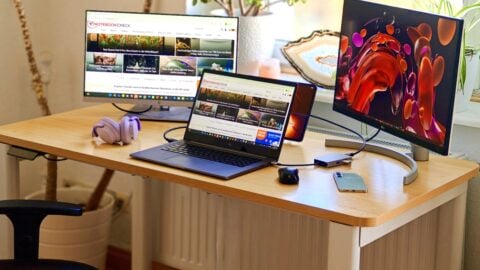


turn off work brain, Digimart Global: Psychologist Guy Winch, author of the 2026 book Mind Over Grind, says that if you spend your free time replaying something that happened at the office, your workday has not really ended. “Your workday only ends when you stop thinking about work,” he says, offering techniques for readers who want to reclaim their time, energy and attention.
Winch says the problem is usually not the highlights of the day. “Very few of us sit through the evening reliving the glory of the joke that landed in the meeting,” he says.
“What we do spend hours on are when we get interrupted, dismissed, about the project we’re behind on.” According to the published article, this kind of ruminative thinking has been linked in research to stress responses, poor sleep and eating, and, over time, increased risks of cardiovascular disease and depression.
Turn a worry into a plan
Rather than replaying a frustrating situation, Winch suggests spending about 15 minutes converting it into a problem you can solve. Readers can ask what the best way to handle it is, whether a conversation is needed, and what outcome they want from that conversation.
Winch says that creating a plan can ease stress and make it easier to let go.
Break the cycle with a distraction
If thoughts about work keep returning, Winch recommends a short distraction of two or three minutes. The goal is to occupy enough mental bandwidth that there is little left for rumination.
Options he mentions include a puzzle or word game such as Wordle, naming all the state capitals, recalling classmates from elementary school, or picturing the items on the top shelf of a refrigerator. Afterward, he suggests telling yourself you want to engage fully with what you are doing next.
Use rituals to shift between work and home
Winch says rituals can help the brain move from work mode into family, partner or friendship mode. He recommends engaging as many senses as possible, such as taking a warm shower or bath, playing music that suits your next activity, dimming workstation lighting and lighting a candle.
Changing clothes is also useful, and remote workers can change into a different set of comfortable clothes after finishing for the day. Repeating these rituals can help the brain learn when work is over.
Choose energizing activities over passive rest
Winch cautions that people often choose passive rest after a draining day, but activities such as watching screens or doomscrolling may not recharge them. He says the right choice is personal: athletes may go to the gym, makers may create something, and extroverts may meet a friend.
He acknowledges that forcing these choices can be a mental effort, but says people may sleep better and feel more energized the next day.
Keep work in perspective
Winch says it is fine for work to be part of your identity, but it should not be the only thing that defines you. He suggests asking what would remain if your job disappeared tomorrow, and how you would describe your life.
“The only reason why I’m working is to be able to have a life in the first place,” he says. “And if I end up not having one, then what’s the point of it all?”