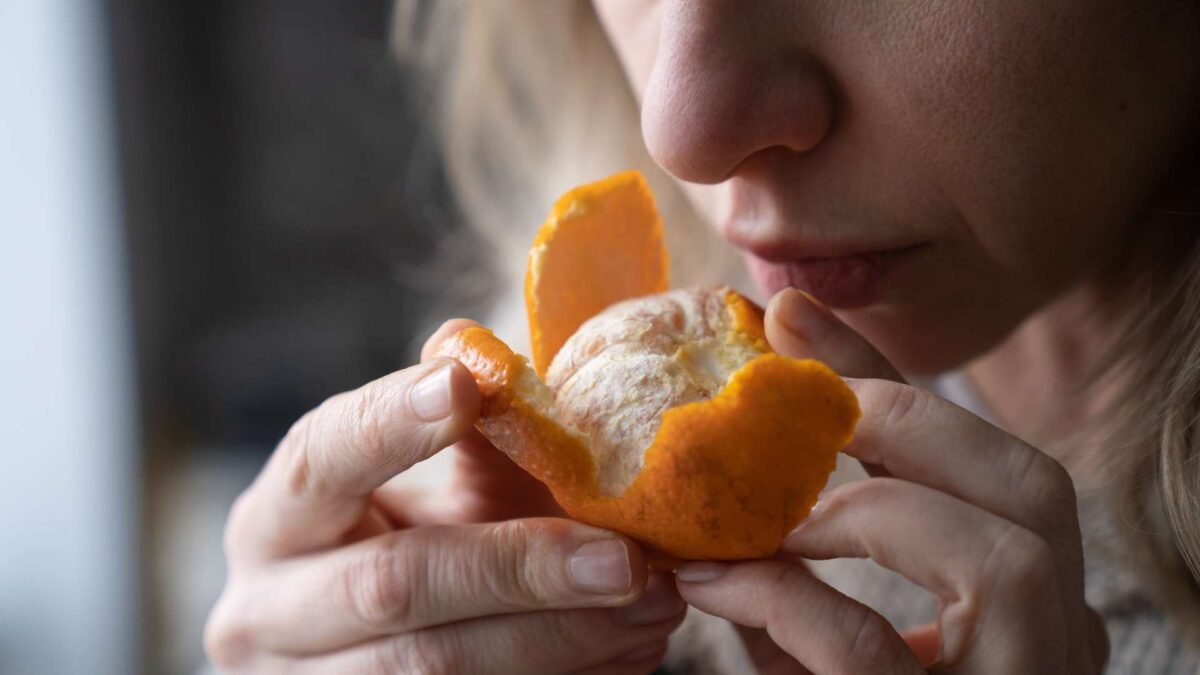
COVID smell loss, Digimart Global: Loss of smell and taste after COVID-19 was long thought to fade for most people who were affected. A preliminary report on a long-running study now suggests that these symptoms can persist well beyond what was previously assumed, with many patients still unable to regain their abilities five years after infection.
Researchers at Virginia Commonwealth University, led by Dr Evan Reiter, drew on a US database of more than 2,000 adults who tested positive for COVID-19 and reported losing taste or smell. Follow-up surveys were used to track symptoms and recovery at two years and again at five years.
According to the preliminary report, published in the journal Otolaryngology–Head and Neck Surgery, the situation has improved very little over time. Among 419 respondents, over half still had symptoms after five years.
Recovery appears to plateau after two years
The researchers said the chance of recovery appears to level off after about two years. Most participants who had fully regained their sense of smell by that point kept it, while most of those who had not recovered showed no significant change by the five-year mark.
Recovery was not linked to the severity of the initial smell loss, the severity of the COVID illness, or pre-existing conditions such as diabetes or respiratory disease.
Age did appear to make a difference. Among participants who had recovered, complete recovery after five years was reported by 61.7% of those under 40, compared with 34% of older participants.
Richard Costanzo, another researcher on the study, said the body is generally good at regenerating the cells needed for smell, but that this process slows with age and recovery takes longer.
Why the condition matters for daily life
Dr Reiter said long-term smell loss can considerably affect quality of life. Patients often worry about being unable to detect body odours or dangers such as gas leaks, smoke or spoiled food.
Even partial recovery or altered smell can cause emotional distress, and changes in how food tastes or smells can lead to reduced appetite, nutritional deficiencies, unwanted weight loss and depressive symptoms.
A call for earlier support
The researchers argue that better management of COVID-related smell loss is needed, and that new approaches should be developed for people with smell and taste disorders, whether caused by COVID-19 or future viruses. They suggest that greater attention to early follow-up and treatment after infection may be important, since the period immediately afterwards may be the most critical time for patients to regain their sense of smell.