Book-to-screen adaptation, Digimart Global: Streaming has changed how Indian authors approach their work, and a screen option can pay a writer more than several editions of a book ever will, publishers, producers and creators said during a panel at WAVES Film Bazaar, the market of the International Film Festival of India (IFFI) in Goa.
The session, titled “From Print to Pixel: The Transmedia Paradigm,” was moderated by journalist Mayank Shekhar. Speakers included Priya Kapoor, editorial director of Roli Books; South African filmmaker Tarina Patel, founder and CEO of Tarina P Productions; Rajiv Chilaka, founder and managing director of Green Gold Animation; Raghav Chandra, a retired Indian Administrative Service officer, novelist and founder director of the Bhopal Literature and Art Festival; and Prakash Magdum, former managing director of the National Film Development Corp.
(NFDC).
Writers Increasingly Think About Screens
Kapoor, who has commissioned and edited titles including “Black Warrant,” “Dongri to Dubai” and “Taj Mahal Foxtrot,” said that since streamers arrived in India, writers have become aware their books can travel beyond the page. Some submissions, she said, are clearly written with a film adaptation in mind, while others are written because the author had a book in mind.
Production houses in Mumbai also contact Roli with briefs that follow trends, such as young adult stories or mythology.
The Money Gap Between Books and Screens
Kapoor said a bestseller in Indian English-language publishing is typically around 5,000 copies, and even a hit adaptation does not change that much. A screen deal, however, can pay an author more than five or 10 editions of a book would, even when the project is never made.
Black Warrant and Chhota Bheem
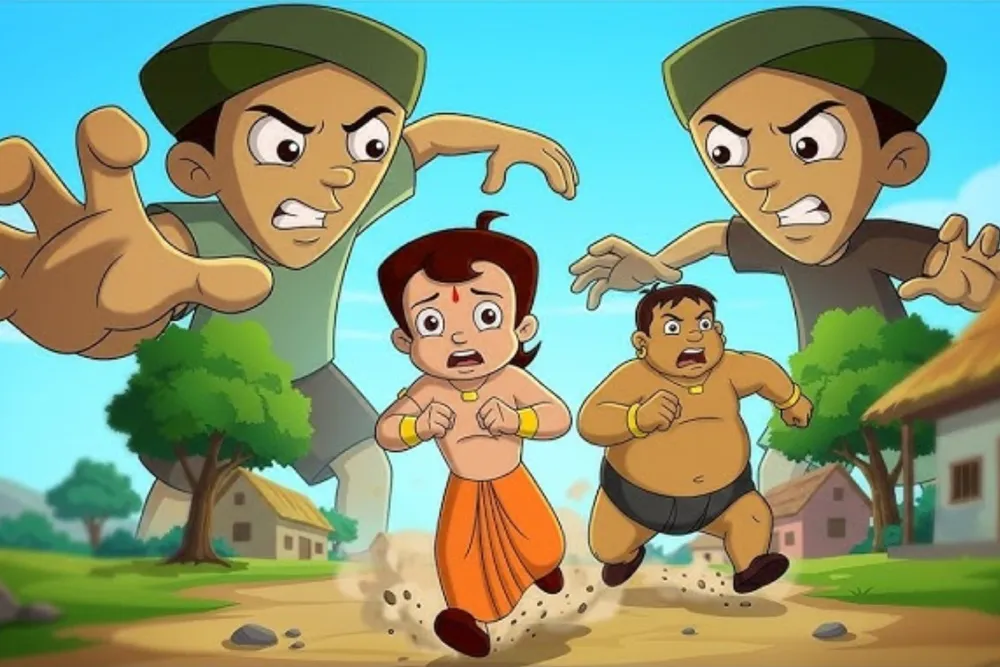
Kapoor described “Black Warrant” as an unconventional route, built from conversations with former Tihar jail warden Sunil Gupta, who could not write, with sessions recorded and transcribed and novelist Sunetra Choudhury coming on as co-writer. Chilaka described “Chhota Bheem” as starting on television and expanding outward, saying Green Gold has made more than 1,000 episodes and put the business done on the property at more than INR10 billion ($112 million).
Adaptation Rights and Public Figures
Patel, whose credits include “Mandela’s Gun,” said that for public figures, anyone can tell the story, though diaries, personal photographs and other private family material still require access. Magdum and Patel both named “Slumdog Millionaire,” based on Vikas Swarup’s novel “Q&A,” among their favorite book-to-screen adaptations.