
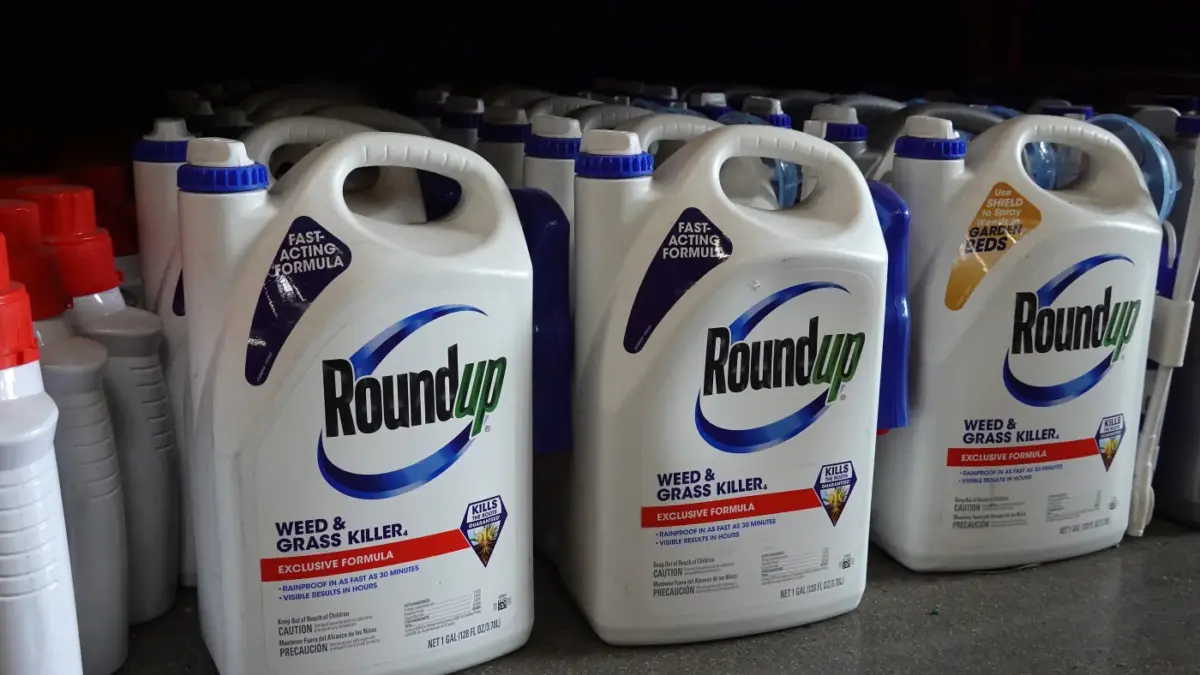
Bayer Roundup settlement, Digimart Global (United States): Bayer has agreed to pay billions of dollars to people who sued the company, alleging that its weed killer Roundup caused their cancer. On Friday, a judge in Missouri gave final approval to the nationwide settlement, which could cost the company up to $7.25 billion in the coming years, according to NPR.
The money is intended for thousands of people who have been or will be diagnosed with non-Hodgkin lymphoma, a blood cancer that plaintiffs link to glyphosate, the main ingredient in Roundup. Under the settlement in circuit court, affected people could receive between $10,000 and $165,000, depending on factors such as whether their agricultural or other work exposed them to higher levels of glyphosate and the age at which they were diagnosed.
Bayer CEO Bill Anderson described the settlement in a statement as a “decisive milestone” that will “mitigate the risks” of pending and future litigation. Presiding judge Timothy Boyer said it was “among the largest in the history of mass tort personal-injury class action settlements.”
The approval follows a Supreme Court ruling earlier this year in Bayer’s favor. The German company, which now owns Monsanto, was found to be shielded from state-court lawsuits alleging it failed to warn consumers about glyphosate’s cancer-causing effects.
The new settlement is in addition to an earlier one in which Bayer agreed to pay between about $10 billion and $11 billion to resolve more than 100,000 Roundup claims.
The scientific debate remains unsettled. More than a decade ago, the World Health Organization’s cancer agency concluded that glyphosate is probably carcinogenic to humans, and some environmental health scientists have repeated those concerns as recently as this year.
Bayer has consistently denied that its product causes cancer. The U.S.
Environmental Protection Agency has said it did not identify cancer-related risks of concern from glyphosate uses, but it is currently reviewing the human health evidence after pressure from advocates and some scientists.
The Trump administration has sided with Bayer in the Supreme Court case and issued an executive order to promote domestic glyphosate production. Several years ago, the company removed glyphosate from U.S.
Roundup products sold for residential use, though it remains in use in agriculture.