UK EU reset deal, Digimart Global (United Kingdom): Britain would be required to pay for rebuilding EU border checks if it cancelled Andy Burnham’s reset deal within 10 years of it being signed, according to The Telegraph. The agreement was reached in Brussels last week and is designed to scale back border restrictions and remove red tape on food exports.
The deal would see Britain align with the bloc’s food and drink safety rules and link up with the EU’s emissions trading scheme. Under the arrangement, the penalty for early termination would also apply to the EU if it scrapped the deal early.
Cost of termination and political reaction
Both Kemi Badenoch and Nigel Farage have said they would refuse to pay the costs linked to the termination clause, the publisher reports. Mr Farage has also launched a “Keep Britain Out” campaign alongside Arron Banks, a co-founder of Leave.EU, to oppose Mr Burnham’s push to bring Britain closer to the bloc.
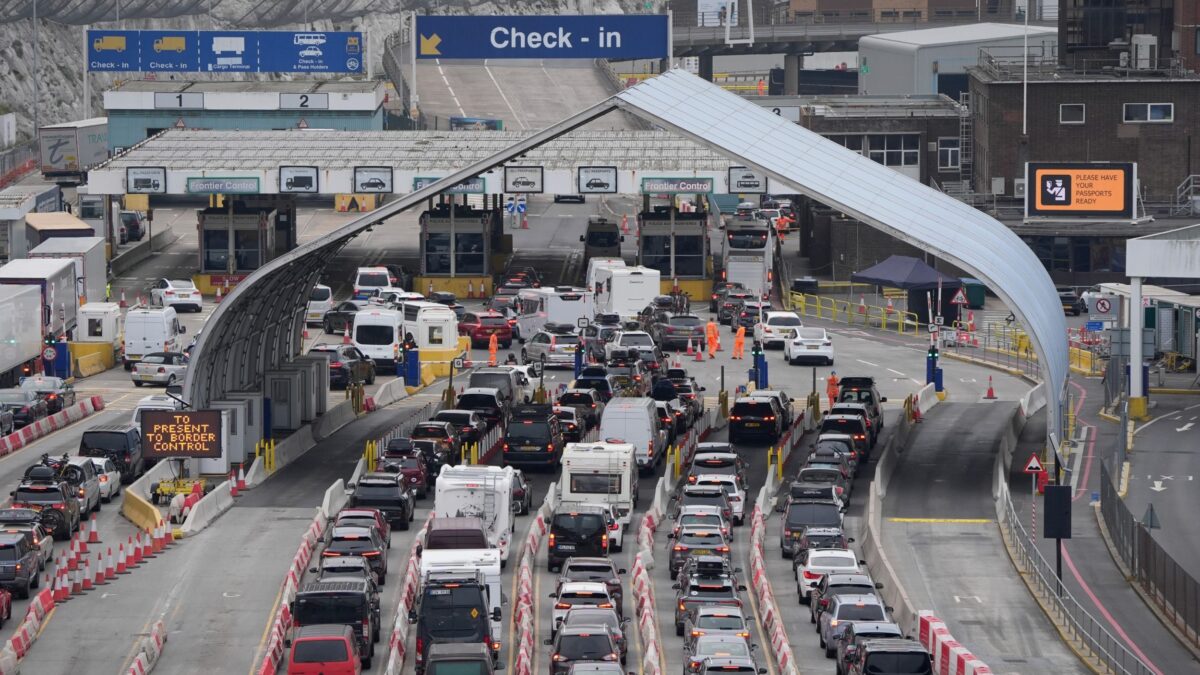
The Telegraph notes that British ports were forced to build more than 30 checkpoints to prepare for Brexit, and operators of those facilities have complained that the deal would make them redundant after investing £100m in building them.
Youth mobility and remaining conditions
The UK-EU summit also agreed a youth mobility deal granting 100,000 Europeans aged 18 to 31 the right to live, work and study in Britain for up to three years, with the same arrangement in reverse. The bloc has said the deal is contingent on Britain aligning tuition fees so European students pay the same as Britons, and Brussels has set a six-month deadline to reach a compromise, which officials describe as a red line.
According to the report, two of the three legal texts are due to be released on Thursday, covering the food trade and emissions trading deals as well as the Government’s bill to enact the deal. Assessments of how the deal affects different sectors and regions are also expected.
Concerns over parliamentary process
The legislation is expected to include “Henry VIII” clauses, which would allow it to be rewritten with minimal scrutiny in the Commons, usually after a simple yes or no vote. Critics have warned this could allow future EU laws to be added into UK law, which they describe as a breach of parliamentary sovereignty.
Referendum and future EU ties
At the reset summit in Brussels, Mr Burnham told EU officials he was ready to discuss rejoining the bloc over the next year as part of a “brainstorming process”. He told the Commons on Monday that he would not bring Britain back into the EU without a new referendum, and said it would be “unthinkable” to do so without one.