

Brexit economic impact, Digimart Global (Brussels): The UK and EU are holding their second summit since Brexit in Brussels on Friday, against a volatile economic backdrop shaped by the war in the Middle East. Prime Minister Andy Burnham is due to meet the head of the European Commission, Ursula von der Leyen, and the president of the European Council, António Costa.
Burnham has said that Brexit “has not worked”, citing damage to the UK economy from leaving the bloc. The Guardian’s analysis notes that the EU also faces its own economic challenges, and the talks take place within that wider context.
The UK’s economic cost
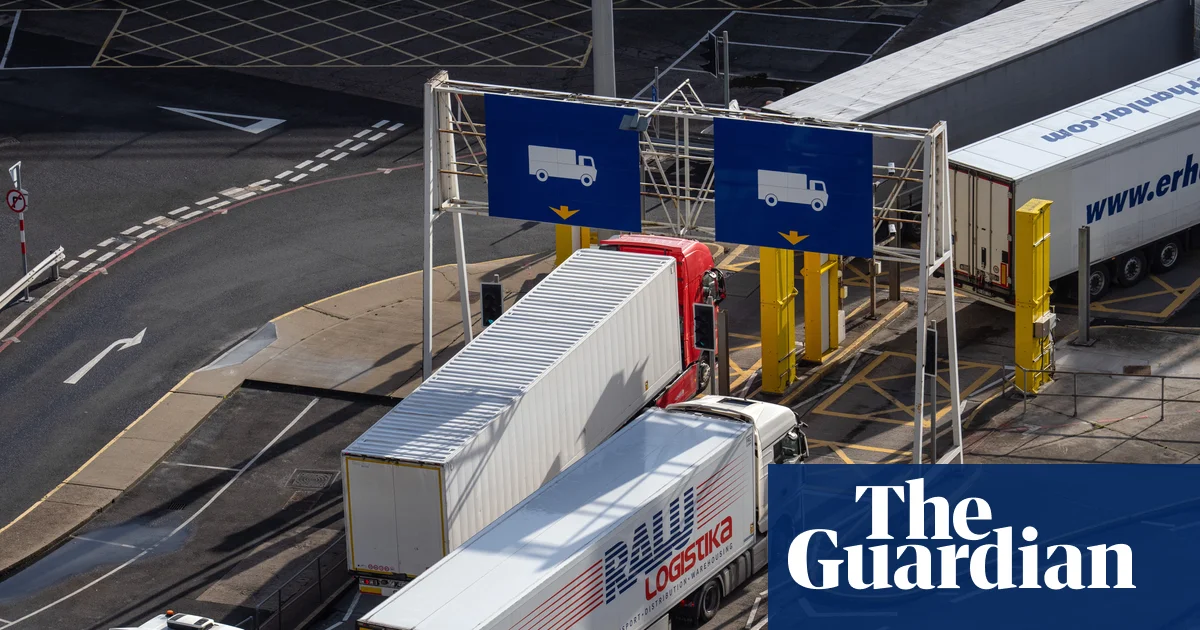
After the 2016 referendum, years of political turmoil and economic uncertainty damaged business investment. Trade was also hit by new barriers and red tape for exporters under the Brexit deal agreed by Boris Johnson.
Analysis by the economist Nick Bloom cited in the report suggests UK GDP per head is between 6% and 8% lower than it would have been without Brexit, while the Office for Budget Responsibility estimates a 4% hit over a 15-year period.
Trade and services
UK goods exports to the EU in 2025 were 14% below 2019 levels in real terms, and exports outside the EU were 8% lower. Services exports, however, were 28% higher to the EU and 26% higher elsewhere, driven by the dominant financial services sector as well as travel, accountancy, law, professional services, telecommunications and IT.
Since Brexit, Britain has set its own trade policy. The government has been able to cut tariffs on certain products to help households with rising living costs, including gherkins in last month’s budget, and it struck a tariff deal with Donald Trump on terms the report describes as better than those managed by the EU.
Critics argue that the UK has lost the clout it held as part of the EU and that sharply diverging from EU policies could undermine trade with its largest partner.
AI and recent growth
The UK ranks third in the Global AI Index, ahead of any EU nation, with France the highest-ranked EU country in sixth place. The report links this partly, though not entirely, to the UK taking a lighter-touch approach to regulation than Brussels.
So far this year the UK has grown at the second-fastest pace in the G7, as AI bolsters growth despite headwinds from the Middle East war.
Consequences for the EU
As a larger market, the EU has been affected less profoundly. Trade barriers have made Britain harder for EU exporters to access, and migration from the UK has fallen.
Brexit also gave a boost to populist movements in EU countries, although a wave of copycat exits did not materialise. The EU economy has faced global challenges similar to the UK’s, including the 2022 Russian energy price shock and the Middle East war, while Germany has struggled with surging energy costs and Chinese competition.
Challenges ahead
The report says a rejoining debate would not mean a return to 2016, and that some UK involvement in EU supply chains may have gone permanently. Analysts at Goldman Sachs estimate that rejoining the single market could grow the UK economy by 2-5%, equivalent to £61bn to £152bn by the start of the next decade.
The current summit focuses on a youth mobility scheme, a food and drink trade deal that could add up to £5.1bn a year to the UK economy, and an emissions linking agreement that could add £3.8bn a year.
Britain is also expected to face a tougher year in 2027 due to the impact of high inflation from the war in the Middle East, with pressure on households expected to weigh on growth.