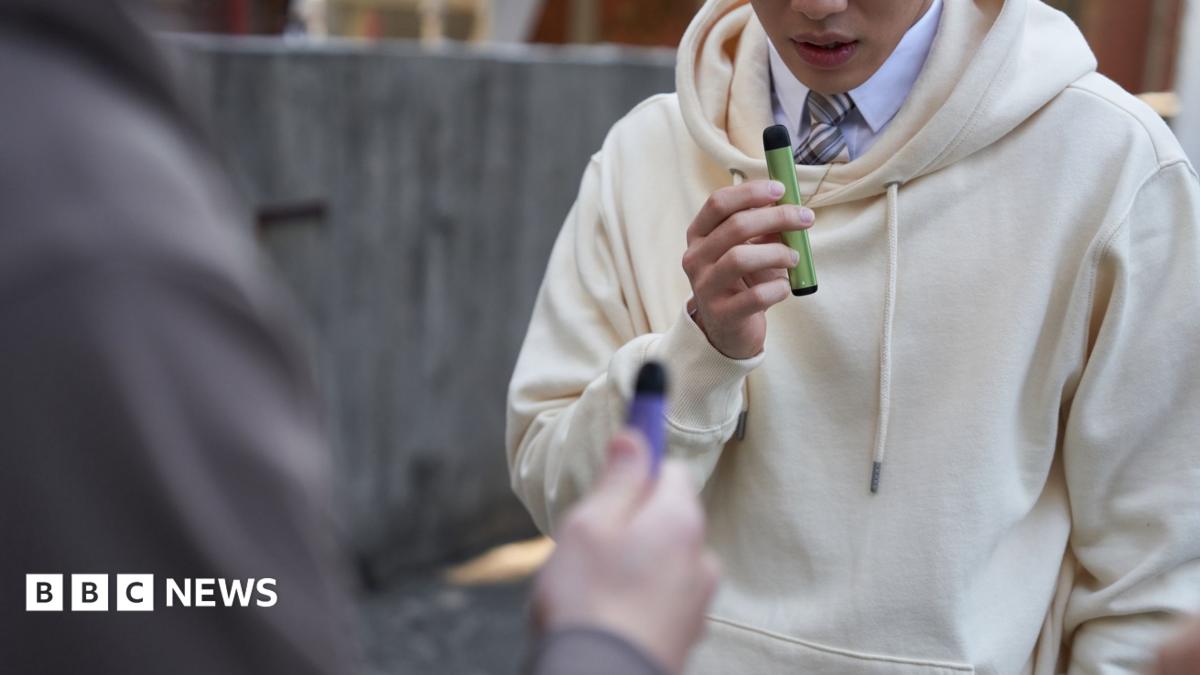
Spiked vapes schools, Digimart Global (south-west London, United Kingdom): One in eight vapes seized from pupils in schools across south-west London contained illicit drugs, according to a Metropolitan Police pilot scheme. Officers tested 32 confiscated devices using specialist equipment and detected substances including THC, the psychoactive ingredient in cannabis, and Spice, a synthetic drug.
The Met said a further three devices were expected to test positive once laboratory analysis was complete. Deputy Assistant Commissioner Ben Russell described the initial findings as “surprisingly high” and warned that children may believe they are inhaling ordinary nicotine products when they are not.
Children becoming unwell
Russell said officers had seen several cases of children becoming quite unwell after using a vape they believed would only provide nicotine. The pilot followed reports of pupils becoming seriously unwell after using shared vapes or devices they thought contained nicotine.
The Met said the testing equipment extracts vapour from a device and screens it for substances including THC and Spice, producing results within minutes. The force said it is the only system of its kind currently operating in the UK, and that officers have also used the technology in London’s nightlife venues to help tackle drink and drug spiking.
Wider evidence and supply
The findings echo earlier research by the University of Bath, which found that up to a quarter of vapes confiscated from secondary schools in England contained Spice. Russell said pupils were buying vapes through social media, friends, older siblings and in the playground, and that people producing vapes to give users a high may not realise the products can reach children.
The Met said it was not seeking to criminalise children for vaping, but aimed to target those responsible for supplying dangerous products. The force also said it had received about 200 reports linked to spiking incidents involving children over the past year, a figure covering all forms of spiking rather than vape-related incidents only.
Schools and police response
Miriam Manderson, a London head teacher, said her pupils were encouraged to report potentially harmful items through a “call it out” approach that lets children speak discreetly to a trusted adult. Sue Rockell, the designated safeguarding lead at her school, said pupils had approached staff about vaping, including reporting things they had seen outside school.
In April, officers were called to a college in Kingston after a 17-year-old student lost consciousness following the alleged use of a vape believed to have been laced with drugs. A subsequent search led to the seizure of cannabis, a vape device and a bottle labelled “PEACHSILK, 5000MG THC”.
Forensic analysis confirmed that two vaping products contained THC, a Class B controlled drug.
The Met said “positive outcomes” for spiking offences had risen by 36% over the past year, including arrests and charges, and that reporting had also increased. Russell urged anyone who believed they had been spiked to contact police as quickly as possible, saying the first 12 to 24 hours were crucial for securing evidence and identifying offenders.