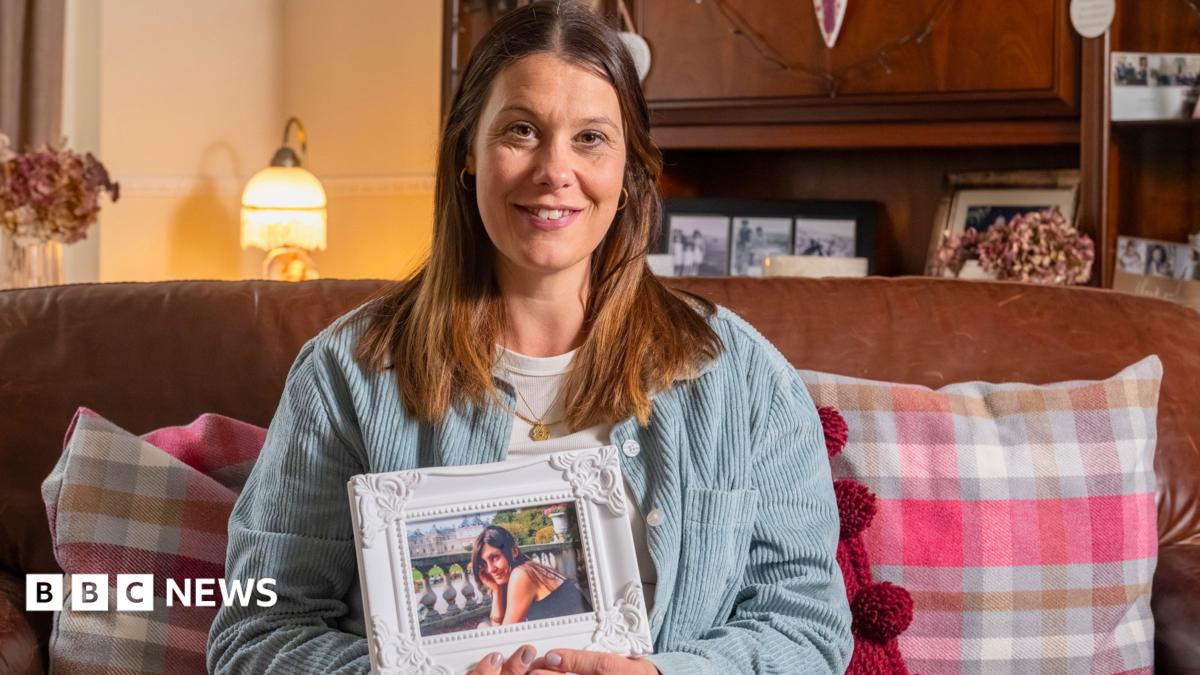
Genetic testing bowel cancer, Digimart Global (York, England): Preparing for her honeymoon in 2017, Katie McSweeney, then 29, visited a nurse for travel vaccinations. She mentioned an uncomfortable stomach and frequent toilet trips, which she had attributed to wedding nerves and work stress, according to the BBC report.
After encouragement from the nurse, she saw her GP for tests and was diagnosed with stage three bowel cancer ten days before her wedding. Months later, her older sister Sara received the same diagnosis.
Katie, who said she had no family history of the disease and led a healthy lifestyle, went ahead with her wedding and honeymoon before undergoing surgery.
Katie had surgery after landing from her honeymoon and then completed six months of chemotherapy. Sara was diagnosed after a bowel blockage led to emergency hospital admission.
At 32 and recently a mother, Sara had been told her symptoms could be pregnancy-related.
Katie’s scan after chemotherapy came back clear, but Sara’s showed the cancer had spread, and she died in December 2018, nine months after her diagnosis. Testing of Katie’s tumour revealed she had Lynch Syndrome, an inherited genetic condition that increases the risk of bowel, womb and ovarian cancer.
Sara’s positive Lynch Syndrome result arrived days after she died.
Katie said that earlier knowledge of the condition would have allowed surveillance screening for both sisters and could have changed their treatment. Now 39, she is encouraging women to take part in the PROTECT-C trial, funded by Yorkshire Cancer Research, which is offering at-home saliva tests to thousands of women in Yorkshire.
The trial’s lead investigator, Prof Ranjit Manchanda, said identifying an inherited genetic risk only after diagnosis represents a failure of cancer prevention. The trial is the first to offer this kind of screening to the public rather than only those with a family history of cancer.