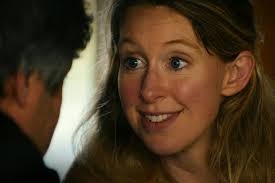
Elizabeth Holmes documentary, Digimart Global: In their self-aware documentary You Can See Everything, filmmakers Nathan Fielder and Lance Oppenheim attempt to portray convicted fraudster Elizabeth Holmes. The film initially follows the former Theranos founder and her partner, Billy Evans, during the last 34 days before Holmes’s incarceration for defrauding investors in her failed blood testing company.
The filmmakers have been granted seemingly unfettered access to the couple’s home life. They say they are doing this because they want people to see the “real Liz”.
What they hope to gain beyond access to a figure who has captured the cultural imagination is less clear.
A layered style built on earlier work
The reviewer, writing in The Conversation, says the three-hour documentary creates layers of hyper-reality through its cinematography, editing, sound and use of reenactments. Although it feels groundbreaking, the film reflects a combination and evolution of the directors’ established styles.
Fielder’s previous series The Rehearsal (2022 onwards) builds elaborate simulations of real places to rehearse difficult conversations, and the line between real and fabricated gradually blurs. As in that series, the film questions everything once Fielder steps in front of the camera.
Oppenheim, by contrast, rarely appears on screen and uses saturated colour, dreamlike cinematography and haunting soundscapes.
Holmes after prison begins
In the second half, Holmes has started her 11-year prison sentence and the storytelling becomes less straightforward. The filmmakers layer reenactments and reenactments within reenactments to compensate for a main subject who is essentially inaccessible.
One scene shows Evans working in a kitchen while a life-size AI-generated video of Holmes plays on a screen nearby.
The reviewer argues that Evans’s controlling behaviour and his enthusiasm for conservative politics and figures such as Charlie Kirk become more pronounced in Holmes’s absence. The review concludes that the film is strong cinema and a refinement of the pair’s previous work, leaving viewers questioning what they see.