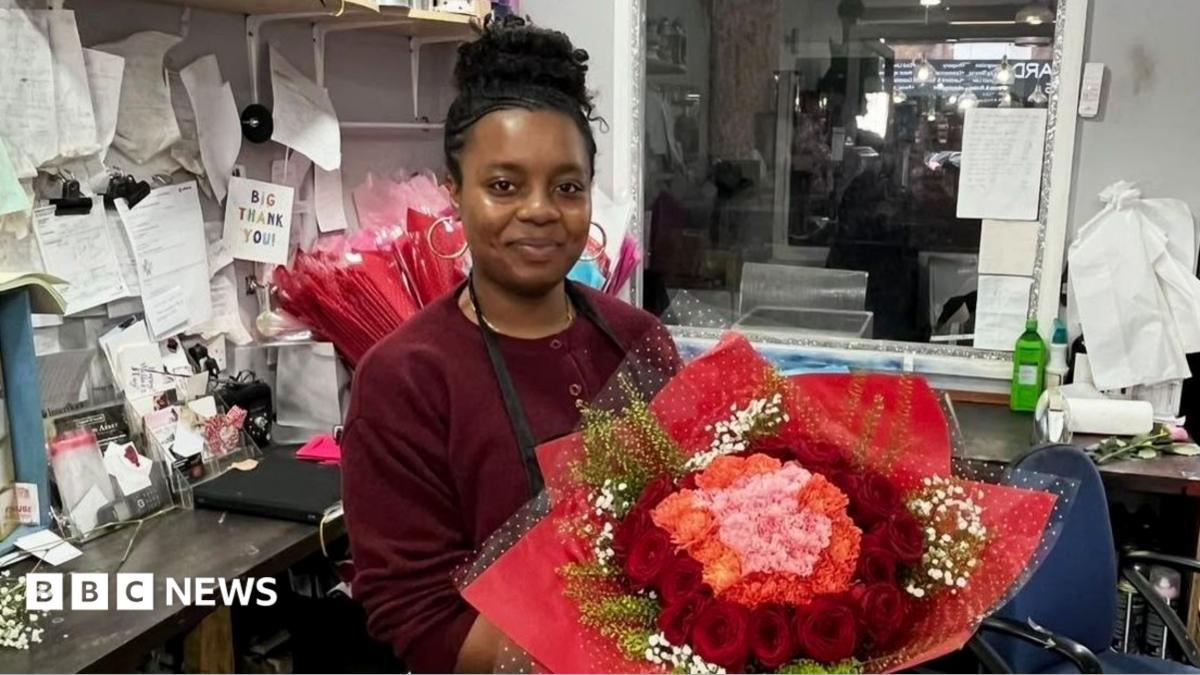
Dyslexia at work, Digimart Global: Many dyslexic adults choose not to tell potential employers about their condition, fearing it could count against them. Nineteen-year-old Ayana Bailey, a part-time florist, says she does not always disclose her dyslexia in job applications, in case it affects whether she is selected.
A survey by the British Dyslexia Association (BDA) of more than 1,200 working dyslexic adults found that 46% hide their dyslexia at work. The same survey found that 81% believe the condition adds to their work-related stress, according to the BDA’s report.
Application and interview challenges
Bailey was diagnosed at the age of 11 and says she received good support at school, including mentoring that helped her understand her strengths. She says the world of work has proved more challenging, describing the application process as daunting and saying she relies on her mum to go through it with her.
In interviews, she says she can shut down and forget who she is, and she uses a prepared script as a coping method, although she admits it does not always work.
Bailey, who studied film and wants to move into the creative arts, says her dyslexia has sometimes made her feel anxious but has also given her opportunities. She describes creativity and thinking outside the box as her biggest strengths, and says she is a visual learner who can imagine characters before seeing written descriptions, which supports her ambition to become a casting director.
Hidden effects on employees
Nurse Lisa Daniels, 37, says her dyslexia meant leaving work more than an hour late most days to finish paperwork. She says she initially suppressed the issue, but acknowledges it was majorly affecting her.
Daniels says a previous manager was dismissive of her request for adjustments, and that her suggestions for more accessible fonts and colours on documents were not listened to.
Five years into her career, Daniels says a colleague told her about a staff network on neurodiversity, and her confidence grew, leading to adjustments such as noise-cancelling headphones. She says she has built resilience despite the sometimes limited support she has received at work.
What the survey found
According to the BDA survey, more than half of respondents say dyslexia makes them feel bad about themselves, and 39% have experienced poor mental health related to it. The BDA estimates there are 3.3 million dyslexic adults currently in employment.
The charity is calling for workplaces to make reasonable adjustments for employees who need them, even without a formal diagnosis, and for managers to be trained to understand and support dyslexic staff.
Its report finds that dyslexic employees often put in extra effort and find their own ways to cope when systems, processes and communication are not accessible. Some respondents described being teased about their spelling, while others said their line manager is also dyslexic and that they share best practice openly.
Expert views on recruitment
Employment law solicitor Jenna Ide, who helped a client win a high-profile dyslexia discrimination case against Starbucks in 2016, says many dyslexic employees start new jobs already struggling with low self-esteem. She says this is especially true for people diagnosed later in life, and that an employer who does not understand dyslexia can reinforce those feelings and make people reluctant to ask for help.
Kate Griggs, founder of the UK charity Made By Dyslexia, says recruitment can still be a barrier, particularly where it relies on written applications and timed tests. Ellen Broomé, head of the British Dyslexia Association, said dyslexic people should not have to work harder simply to have the same opportunities as their colleagues, describing this as a question of barriers rather than ability, ambition or talent.