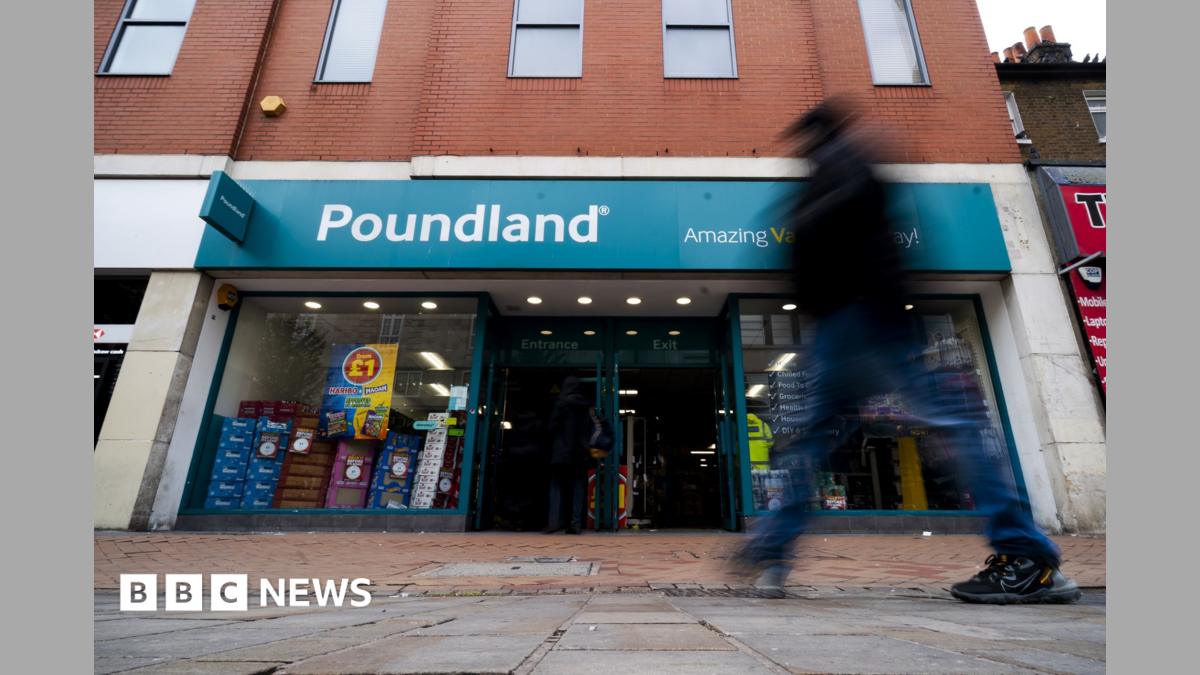
Poundland collapse administration, Digimart Global (United Kingdom): The blame is falling heavily on US-based Gordon Brothers, the firm that bought the discount chain for £1 and has taken nearly £20m out of the business already. Poundland has collapsed into administration, putting 11,000 jobs at risk.
Gordon Brothers stands to be repaid a further £22.5m, its share of an existing £30m loan. That debt is set to be one of the first to be paid from the proceeds of any sale of the business, in whole or in part.
Administrators blame restricted cash
The team running Poundland say the owners restricted their access to the company’s own cash, leaving them unable to fully restock ahead of the crucial Christmas period. They point to improving sales over October as evidence that the business had a future.
MPs on the Business Committee have also criticised the US firm, accusing it of “predatory capitalism” and “asset stripping”. The committee chair wants Gordon Brothers and Poundland management to appear before them to establish the truth, as the two sides’ accounts differ sharply.
Buyer talks stalled over debt
No one appears to dispute that Gordon Brothers insisted on being paid most of its £22.5m debt, which was a major obstacle to a sale. According to the BBC, potential buyers were reluctant to pay out millions on a loan that Gordon Brothers had inherited for nothing.
Martin Property Group offered £5m up front with the balance deferred, while Xyra Holdings offered £12.5m up front but, according to sources close to the deal, was thought unable to pay.
Gordon Brothers disputes much of this account. It says it lent the business £85m over the 17 months since it bought it, keeping it alive, and that without this support the collapse would have happened in June last year.
The company says the £20m taken out since then has mostly been interest on that loan.
Trading pressures and cost cuts
Poundland had brief periods of sales growth compared with a year earlier, but it was not generating enough cash to sustain itself. Sales were forecast to be £115m lower than predicted when Gordon Brothers bought the business, more than offsetting a £100m cost-cutting programme.
The retailer was also hit by rising labour costs, employment taxes and business rates, as other retailers were.
Gordon Brothers argues that none of the potential buyers could meet its terms or prove they had the money and expertise to make the business work.
What happens next
A bidder could still emerge in the coming hours and days to save the business as a whole, but most industry observers think this looks unlikely. Julie Palmer of insolvency specialists Begbies Traynor told the BBC that a breakup is now a realistic possibility.
Like previous retail failures such as Woolworths, BHS and Wilko, many stores may find new owners, which would require local, experienced staff. For workers, however, the uncertainty comes a month before Christmas, when demand is at its peak.
Some retail veterans have questioned why Pepco, the previous owner, agreed to a deal that gave Gordon Brothers little risk. Pepco has other businesses that could have been affected by the administration of Poundland.