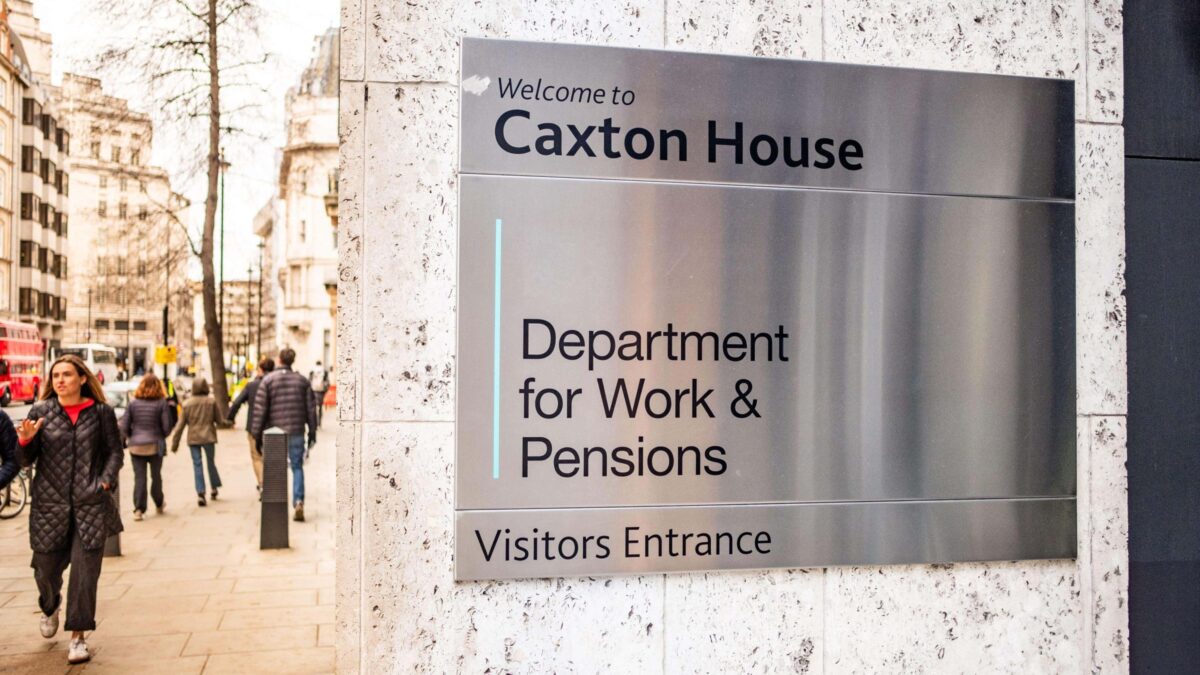
Disability benefits cost, Digimart Global (England and Wales): A Government-commissioned review of the main disability benefit in England and Wales is due to be published and is likely to recommend a major overhaul of who is eligible for payments and how claimants are assessed. The review focuses on Personal Independence Payment (Pip), which is paid to people with a long-term physical or mental health condition or disability to help with everyday tasks and extra living costs.
Pip is available in England, Wales and Northern Ireland, while Scotland has a different type of disability benefit. The review covers only England and Wales, as Northern Ireland manages its own benefits system.
It is being led by social security minister Sir Stephen Timms, who described the system as “no longer fit for purpose” when his interim findings were published in July this year.
Who receives Pip
According to the latest data from the Department for Work and Pensions (DWP), 4.09 million people in England and Wales were entitled to claim Pip as of 31 July 2026. This is up from 3.83 million a year earlier, a rise of 262,045 or 7%, and more than four times the figure of 0.94 million in July 2016.
Pip was introduced in April 2013 as a replacement for disability living allowance (DLA). The rise in claimants was initially partly due to people being moved from DLA to Pip, but in recent years the increase has been driven almost entirely by new claimants.
Of the current total, 1.34 million (33%) were former DLA recipients, while 2.75 million (67%) have only ever claimed Pip.
Most claimants are of working age, at 3.4 million (83%), while 690,000 (17%) are at state pension age. Women make up 55% of claimants (2.26 million) and men 45% (1.83 million).
People aged 50 and over account for 55% of those entitled to claim.
New claims and grant rates
Just over a third (35.8%) of new Pip claims in July 2026 were granted. Some 61.4% were disallowed and 2.8% were withdrawn.
The grant rate for new claims has trended downward over the past two years, having been 41.1% in July 2025 and 46.4% in July 2024.
Most common disabilities among claimants
Of the 4.09 million claimants at the end of July, 1.60 million (39%) were listed as having psychiatric disorders, the highest proportion for any type of disability. General musculoskeletal diseases applied to 764,305 people (19%), and neurological diseases to 512,242 people (13%).
Within the psychiatric category, 268,965 claimants were classed as having autistic spectrum disorders, 159,316 had mood disorders, and 106,087 had ADHD or ADD.
What Pip costs
Total spending on Pip in 2026/27 is forecast by DWP figures to be £32.1 billion, with £27.0 billion going to working-age adults and £5.1 billion to pensioners. Spending is forecast to rise each year for the rest of the decade, reaching £41.5 billion in 2030/31, of which £34.3 billion is forecast for working-age adults and £7.2 billion for pensioners.