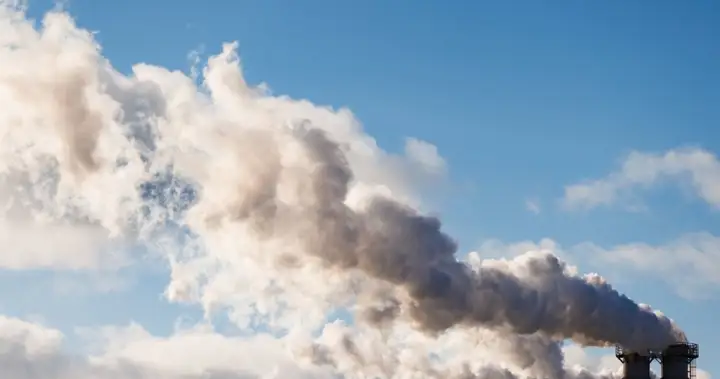
Toronto area emissions spike, Digimart Global (Greater Toronto and Hamilton Area, Ontario): Planet-warming emissions in the Greater Toronto and Hamilton Area rose by eight per cent from 2024 to 2025, the largest annual jump since tracking began in 2015, according to a new report from The Atmospheric Fund, a regional climate agency. The increase was driven by a more polluting energy grid and rising demand for gas heating during a colder winter.
The report marks the fifth straight year of rising emissions in the region, which accounts for a major share of Ontario’s emissions. If Toronto’s 2030 target were used as a regional benchmark, emissions would need to fall by about 16 per cent each year to get back on track, the agency said.
Buildings drive the increase
Buildings, which account for nearly half of the region’s emissions, were among the biggest drivers of the annual rise. Building-sector emissions, mostly from burning gas for heat and to a smaller extent from electricity, rose 15 per cent annually.
Electricity-related building emissions were up 26 per cent, which the report links to Ontario’s increasingly carbon-intensive grid. Nearly a fifth of the province’s electricity was generated by fossil fuels last year, the most since the coal phaseout, as gas filled the gap left by nuclear reactors taken offline for refurbishment.
Heating-related emissions rose 14 per cent over the previous year, largely due to the colder winter. Even after researchers adjusted for weather, those emissions were still up three per cent, which the report suggests points to an underlying problem with the region’s aging, inefficient housing stock.
Policy changes and bright spots
Purcell said the state of the grid and building stock is compounded by policy changes. Premier Doug Ford’s government has blocked Toronto and other municipalities from enforcing green building standards, a move that Purcell said set Toronto back about 10 years in the efficiency and technology going into new buildings.
Toronto’s proposed building emissions performance standards are among the most significant local climate policies under consideration in the region.
The report also points to some progress. Toronto recently removed local barriers to installing heat pumps and electric vehicle chargers, Ontario procured a record amount of battery storage this year that beat out gas on cost, and the federal government recently announced a $2-billion investment in building retrofits, including rebates for heat pumps.
The report warns, however, that government policy rollbacks threaten to overshadow that progress.
Transport and industry
Transportation, the next-largest source after buildings, saw emissions rise between one and three per cent across most of the region, driven mainly by more cars on the road and a continued preference for larger, less fuel-efficient vehicles. Battery-electric and plug-in hybrid registrations kept rising, but Purcell said policy uncertainty has created new headwinds, including Ottawa’s cancellation of an EV sales mandate earlier this year.
Transit ridership across the region fell about 1.5 per cent annually and remains well below pre-pandemic levels.
Industrial emitters, mostly steel and cement manufacturers, showed no signs of progress, with decarbonization plans described in the report as stalled. Purcell said the findings challenge the argument that climate action must take a back seat to affordability, noting that measures such as building retrofits, heat pumps and better public transit can also ease cost pressures.