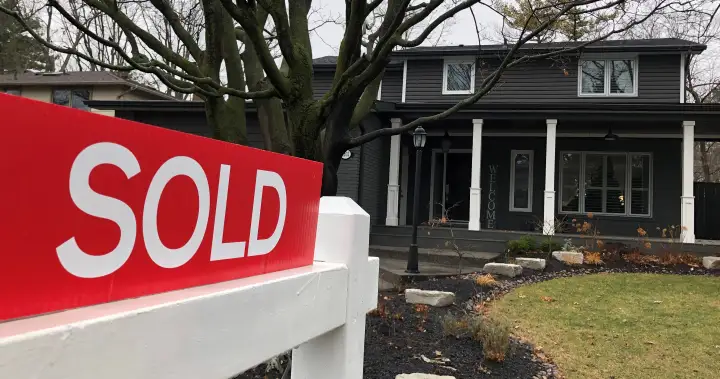
Mortgage delinquencies in Canada, Digimart Global: A growing number of Canadians are falling behind on their monthly mortgage payments, with mortgage delinquencies reaching a 13-year high, according to a new report from Equifax Canada.
The report shows that the proportion of mortgage balances overdue for more than 90 days in July, August and September rose to 0.32 per cent. That is a 31 per cent increase compared with the same period in 2025, and the highest level Equifax has recorded since it began tracking Canadian mortgage delinquencies in 2013.
Ontario and British Columbia drive the increase
The financial stress is concentrated in Ontario and British Columbia, which together account for 91 per cent of the annual growth in severely delinquent mortgage accounts. Rebecca Oakes, vice-president of advanced analytics at Equifax Canada, said mortgage delinquencies have been climbing for four years, with Ontario and B.C.
continuing to drive much of the increase.
Equifax data also shows that the dollar value of delinquencies is rising much faster than the number of delinquent mortgages. Oakes said this suggests borrowers with larger mortgages are increasingly struggling to keep up with their payments.
Rising debt and negative equity
The report also said Canada’s consumer debt reached $2.74 trillion in the third quarter of the year, up 4.6 per cent from the same period in 2025. Many Canadians also hold negative equity in their homes, meaning they owe the bank more than their house is worth.
Equifax estimates Ontario accounts for about 70 per cent of mortgages in negative equity, representing five per cent of total mortgages in the province, compared with 1.85 per cent in British Columbia and 1.10 per cent in Quebec. Condo owners and recent homebuyers face the highest risk, with about 7.2 per cent of condominium mortgages likely in negative equity, rising to 8.4 per cent for those who bought near the 2022 market peak.
In Ontario, nearly one in four mortgages held by Canadians aged 26 to 35 is thought to be in negative equity.
Auto loans and wider financial pressure
Equifax said the situation is worse for auto loans. As of September 2026, an estimated 40 per cent of auto loans originated in the last four years are in negative equity, meaning the borrower owes more than the vehicle is worth.
Joshua Harris, CEO of debt management service at Harris and Partners, said mortgage arrears are usually the last payment to fall behind when households struggle to make ends meet. He said people often fall behind on credit cards, car loans or other commitments before missing mortgage payments.
Interest rate outlook
The Bank of Canada is widely expected to deliver another rate hike on Dec. 9, and Oakes said some stressed homeowners could be hit harder than others. She said variable-rate borrowers can feel the impact of a rate increase within weeks, while others may not feel the effect until they renew or refinance.