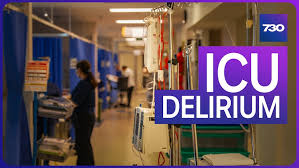
ICU delirium, Digimart Global (Australia): Intensive care units save lives, but the physical and mental stress of critical treatment can cause serious side effects. ABC News reports that ICU delirium is a little-understood but relatively common condition that can cause patients to experience hallucinations, delusions, paranoia and agitation, sometimes leading them to believe their carers are trying to harm them.
The condition can be triggered by serious illness, infection, surgery or medicines. Professor John Fraser, who leads research into the condition at the Critical Care Research Group, told ABC News that patients are seen with delirium every day, and that it is not always obvious.
There is no blood test or scan that can confirm it, so clinicians must rely on careful observation.
Lasting effects after leaving intensive care
Patients and clinicians interviewed by ABC News described frightening experiences in intensive care, including hallucinations, nightmares and flashbacks that continued after discharge. Fraser said that patients who survive may face a high risk of post-traumatic stress, marital breakdown and difficulty returning to work.
Intensive care specialist Dr James Winearls, who was himself treated in an ICU after a chest infection and blood clots on the lung, said he experienced hallucinations about staff and took months to feel ready to work again.
Redesigning the ICU environment
The research team has spent four years trialling what it calls the ICU of the future at Prince Charles Hospital. The two rooms are designed to be calmer and quieter, and patients are allocated to them at random.
Associate Professor Oystein Tronstad said patients have reported that the beds are more comfortable, less stressful and help them sleep better. ABC News reports that pilot data suggested delirium rates were 10 per cent lower among around 80 patients surveyed, and that three more beds based on the same principle have been built at St Andrews.