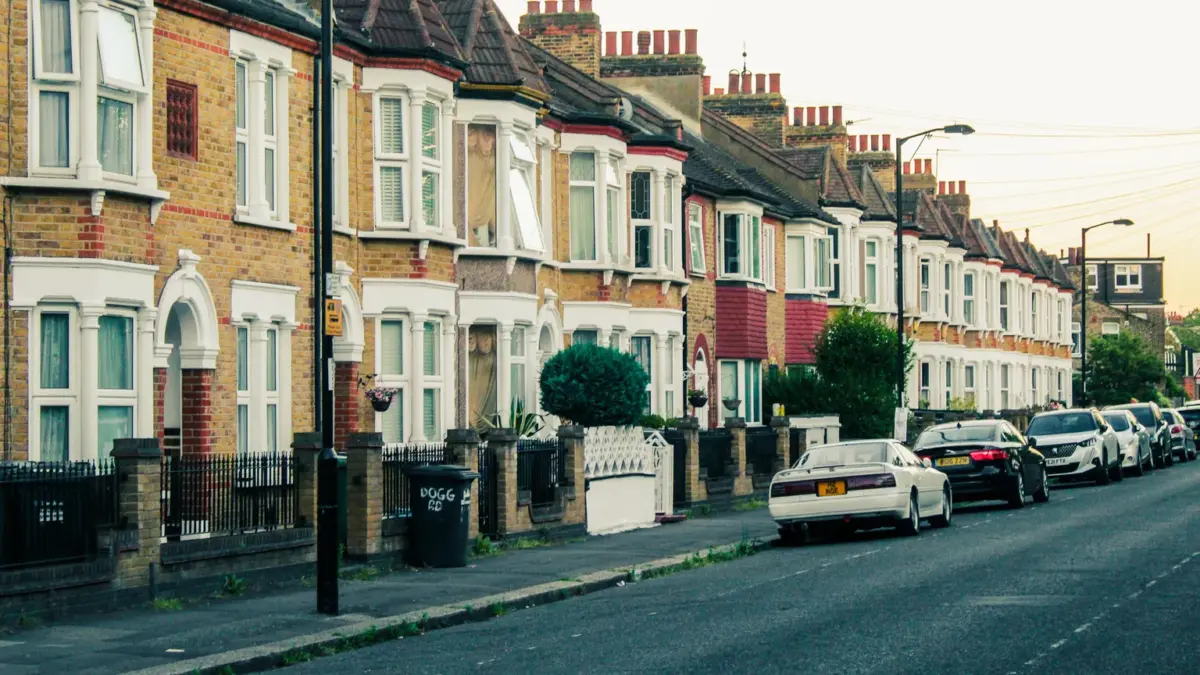
Household Energy Payment, USA News (London): In the affluent south London borough of Wandsworth, where the average resident earns upwards of £52,000 annually and pays some of the lowest council tax in England, many households are set to receive a £100 government payment designed to cover soaring energy costs.
Unveiled by Chancellor John Healey during his first Budget on Wednesday, the Household Energy Payment will reach 20 million households across England situated within council tax bands A to D. The £2.6bn funding scheme is estimated by the Government to reach approximately 80 per cent of English households, including 83 per cent of fuel-stressed homes and 88 per cent of the lowest-income properties.
However, critics have raised concerns that long-term residents in larger homes or higher council tax bands—such as pensioners with modest incomes—might slip through the cracks, while wealthier individuals living in properties banded long ago receive funds they may not urgently need. The choice to forego means testing has sparked warnings from campaigners who argue the sum will scarcely dent upcoming price increases.
Local Reactions in Earlsfield
In the leafy Wandsworth suburb of Earlsfield, residents offered mixed perspectives on the initiative. Alison, a 50-year-old charity fundraiser living in a two-bedroom council flat, noted that pending council tax increases in the borough make the £100 boost feel fair, though she acknowledged the money might just blend into general accounts rather than visibly target utility costs.
Beth, a marketing manager who has resided in Earlsfield since 2008, described the contribution as helpful but cautioned that it would quickly vanish once winter weather arrives. Meanwhile, local retirees expressed similar sentiments, observing that while any financial assistance is welcome, rising living costs across fuel and food mean the money will likely be absorbed rapidly by household necessities.
Context of Council Tax and Predicted Bill Rises
Wandsworth’s council tax remains famously low, with an annual sum of £1,028.21 for a band D property, though recent reports indicate potential adjustments ahead. Under the new scheme, payments will distribute directly through the council tax system starting in January 2027, with devolved administrations in Scotland, Wales, and Northern Ireland receiving corresponding shares.
Energy regulator Ofgem’s price cap is projected to jump by at least 26 per cent in January to £2,172 annually for a typical dual-fuel household, according to Uswitch forecasts. Simon Francis of the End Fuel Poverty Coalition argued that the £100 handout falls short against wholesale gas price triples, while the Chancellor maintained the measure offers crucial breathing space alongside the abolition of gas standing charges.