UK electric vehicle prices and ZEV mandate changes, Digi Mart USA News (United Kingdom): The cost of an electric vehicle (EV), including second-hand cars and hybrids, looks set to rise, according to experts. Motorists thinking of buying an electric car risk losing hefty discounts unless they act sooner rather than later.
EV makers currently offer discounts of several thousand pounds on cars and SUVs, with the average discount last year at £2,800, in order to meet government sales targets. Experts say these discounts could shrink if manufacturers are under less pressure to sell their stock.
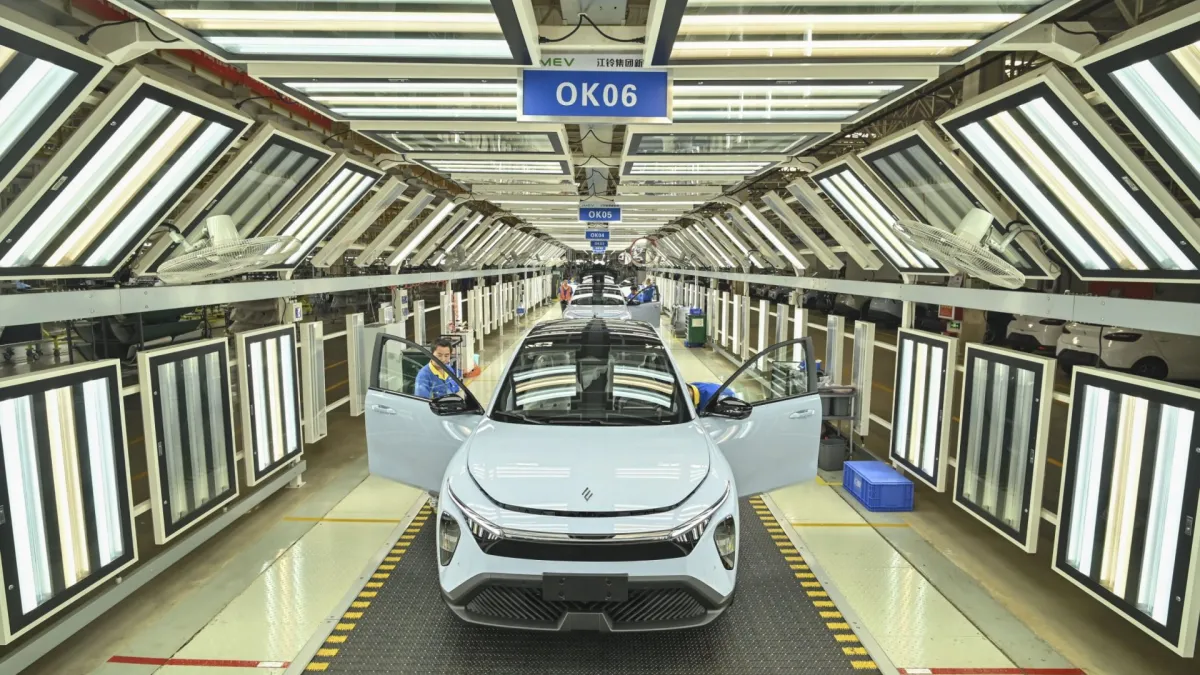
Separately, if the government decides to align with EU tariffs on Chinese EVs as part of efforts to move closer to Europe, it could add £12,600 to the cost of a Chinese model priced at £30,000. Electric vehicles produced in China are typically among the cheapest on the market.
Experts say the lowest prices for electric cars are likely to be “right at this moment” and expect them to increase from 2027 onward.
Higher prices may lead to fewer new car sales, which would also feed through into the second-hand market by reducing the supply of vehicles and slowing price declines there.
The government’s Zero Emissions Vehicle (ZEV) mandate requires carmakers to ensure that 33 percent of the new cars they sell in 2026 are electric, with the target rising each year to 80 percent by 2030. Manufacturers that fall short face a £12,000 fine for every vehicle by which they miss the target, although they can avoid penalties by buying credits from rivals that exceed their targets or by offsetting emissions elsewhere in their fleets.
Companies that sell more EVs than required can earn extra income by selling these credits to manufacturers struggling to meet targets. If the government lowers the sales targets as expected, demand for credits would fall, pushing down their value.
That would hit firms such as Tesla and some Chinese brands that rely heavily on EV sales and credit revenue, potentially leaving them less room to cut prices for consumers.
Ben Westerman, director of policy and advocacy at Electrify Britain, a body that campaigns for electrification, told The i Paper: “Lowering targets will almost certainly contribute to raised electric car prices. Strong targets encourage carmakers to offer discounts on new models.
As most people buy second-hand, fewer electric cars now will mean fewer affordable ones in the future.”
Carmakers have been heavily discounting electric vehicles to hit sales targets. For example, the all-electric Volvo EX40, a luxury SUV, is advertised with a £4,250 discount, meaning the £48,860 vehicle is on the road for £44,610.
For cars priced under £37,000, the government pays an EV discount of £3,750 on new all-electric cars, which can be combined with a manufacturer’s discount. An MG4 EV is available for £28,995 with a manufacturer’s discount of £1,500.
The Citroen e-C3 Urban Range is among the most affordable EVs on the market, retailing at around £19,995. This typically includes a £1,500 government-funded grant, but the EV mandate is also factored into the sale price.
If the government reduces the mandate targets, companies would likely offer smaller discounts on EVs.
Earlier this month, transport minister Simon Lightwood said in response to a parliamentary question that the Department for Transport estimated the average additional cost of discounting for EVs in 2025 was around £2,800 per vehicle for manufacturers. The British automotive industry has been lobbying the government to water down the mandate, arguing that carmakers have been forced to spend billions on EV discounts and that the regime now threatens the industry’s viability.
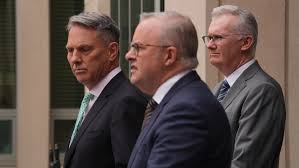
Ministers will discuss the ZEV mandate at a meeting on Thursday chaired by First Secretary of State Louise Haigh, Andy Burnham’s deputy. An announcement is expected in the coming weeks, but industry sources think the EV target could be reduced to as low as 60 percent of sales in 2030.
Thom Groot, chief executive of The Electric Car Scheme, an EV salary sacrifice company, said watering down the mandate would generally put carmakers under “less pressure” to manufacture EVs. “That means they will produce less, and therefore there’ll be less supply coming in to the market,” he said.
“Less supply means prices go up. I think that will definitely happen… it will push prices up for UK consumers.” He expects prices to begin rising in 2027 and beyond and urged those considering switching to an electric car to “act now.”
Paul McNamee, director of the Labour Climate and Environment Forum, said increasing the upfront cost of EVs would go against Burnham’s drive to reduce the cost of living. “EVs are now cheaper than petrol vehicles upfront and household charging can save £1500 a year in running costs,” he said.
“The Government needs to back cheaper travel and action on the cost of living by maintaining the ZEV mandate and delivering an industrial strategy that builds a strong domestic EV manufacturing base.”
While watering down the ZEV mandate would push up prices, a separate development could have an even bigger impact on Chinese EVs. Burnham wants the UK to join the EU’s “Made in Europe” scheme, which could require Britain to align with the bloc’s tariffs on Chinese-made electric cars.
That would mean raising the UK’s tariff from 10 percent to as much as 45 percent. For a Chinese EV priced at £30,000 before tax, the final price could rise from about £39,600 to £52,200.
The outcome is not certain. Chinese manufacturers could absorb some of the extra cost, while the government could keep its 10 percent tariff or negotiate a lower rate with Brussels.
Groot said matching EU tariffs would hit the mid and cheapest end of the market and sharply reduce competition. Chinese EVs had been “20 to 30 per cent better value for money,” but that advantage would “evaporate overnight,” he said, adding that weaker competition would also push up prices for non-Chinese models.
Despite these possible threats to prices, government subsidies for certain EV models will remain. Under the Electric Car Grant, buyers can receive a discount of up to £3,750 on eligible EVs with a starting price at or below £37,000, while others receive a lower discount of £1,500.
Last month’s Budget confirmed funding for the grant until 2029-30.
The government has insisted that no final decision has been made on either the ZEV mandate or tariffs and that it remains committed to phasing out new cars that run only on petrol or diesel by 2030, with every new car and van required to be zero emission by 2035.