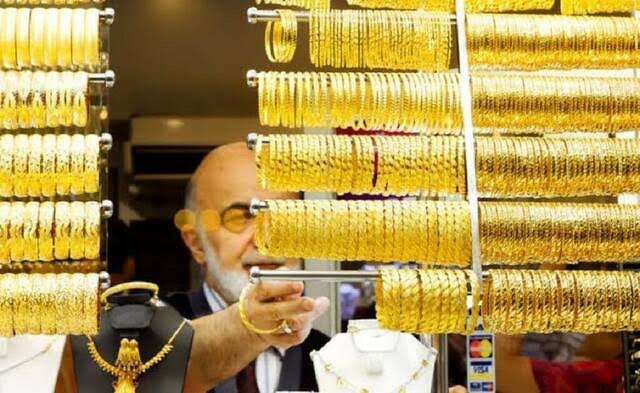
Egypt gold prices fall EGP 260 per gram in one week, Digi Mart USA News (Egypt): Gold prices in Egypt’s domestic market fell sharply between 7 and 14 November, with 21-karat gold, the most widely traded grade, dropping from EGP 6,210 per gram last Saturday to EGP 5,950, according to data from iSagha, an online gold and jewellery trading platform.
iSagha attributed the domestic decline to a global downturn following the release of US inflation figures for October, which came in above market expectations. The data strengthened expectations that the US Federal Reserve would maintain its restrictive monetary policy and potentially raise interest rates, while the dollar remained strong globally.
The platform also said the dollar’s depreciation against the Egyptian pound added further downward pressure on gold prices in local currency, because the pound’s appreciation reduced the metal’s theoretical value.
However, the gap between domestic prices and theoretical value, calculated from international ounce prices and the exchange rate, widened. The gap reached EGP 134.74 per gram, equivalent to 2.31%, on 12 November.
Saeed Embaby, Executive Director of iSagha, said the gap was neither normal nor healthy for the market. He explained that consumers were not fully benefiting from falling international gold prices and the improved exchange rate, and were continuing to pay more than the metal’s theoretical value.
Embaby said the drop to EGP 5,950 did not automatically mean prices had become fair or that it was a good time to buy. He urged buyers not to treat a price decline alone as a guaranteed opportunity, to ask about gold’s theoretical value per gram, compare quotes from several sellers, and check making charges, hallmarking fees and other costs.
He added that, while the gap remained wide, buyers would be better advised not to commit all their funds at once and to purchase in stages only if they had a genuine need for gold. Embaby said part of the gap was linked to hedging by bullion traders against a possible rebound in international gold prices or the dollar exchange rate, but argued that such costs should not become a permanent burden on consumers.
According to Embaby, narrowing the gap requires transparency and shared responsibility among traders, trading platforms and the relevant authorities.