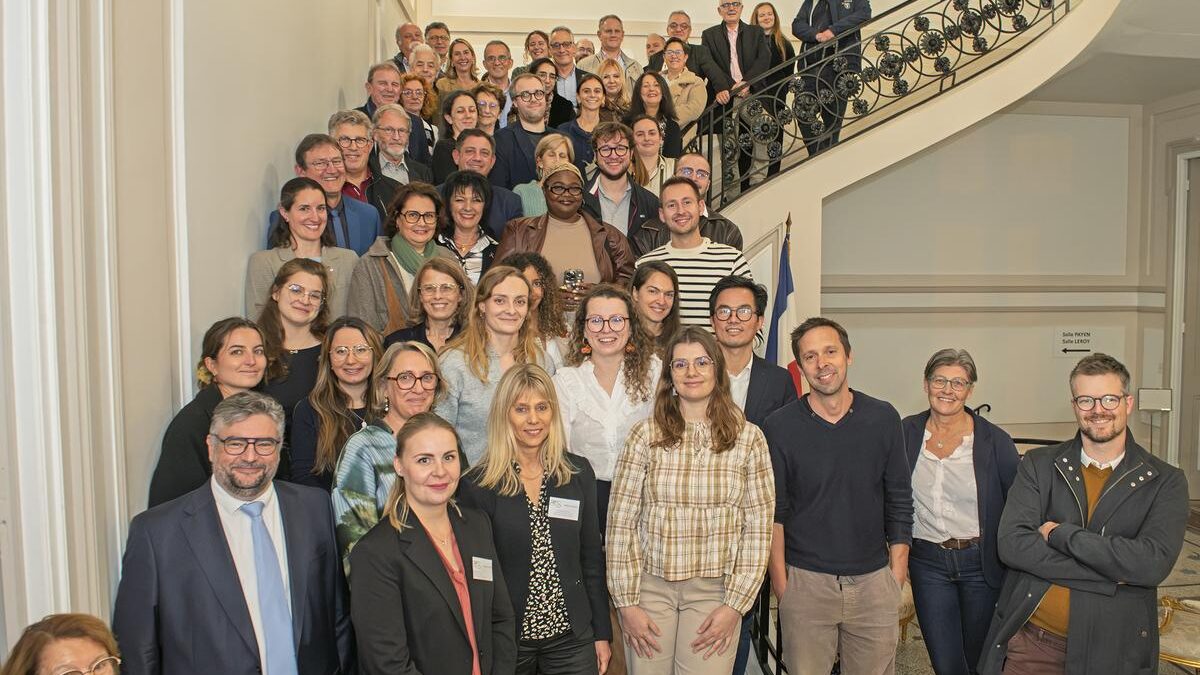
Lot-et-Garonne junior doctors rural medical access, Digi Mart USA News (Lot-et-Garonne, France): Officials from the department, the regional health agency (ARS), the prefecture, local elected officials and the CPAM health insurance fund gathered on Thursday, November 5, to welcome 32 junior doctors who arrived in Lot-et-Garonne on Monday. The doctors are in the region to complete their studies, and local leaders say their presence is a benefit to the department, though they are not expected to remain permanently unless the territory’s effort to attract them succeeds.
Annie Messina, vice president of the departmental council in charge of the file and of the Bienvenue Docteur platform, recalled that when she arrived from Marseille thirty years ago she never imagined staying in Lot-et-Garonne and did not even know where it was on a map. Some of the junior doctors share that experience, and one said the posting is “an additional year imposed on us,” which can be difficult when they already have life plans.
Few of the doctors have yet committed to a future in the region. Nicolas Vaudon, originally from the Paris region, chose Bordeaux for his general medicine training and said he has completed several internships in rural areas.
Junior doctors are matched with supervising physicians, or maîtres de stage, through a platform, and professionals described the process with humor, comparing it to dating applications, while stressing that the matter is serious.
Professionals emphasized that there can be no junior doctor without a supervising physician. Dr.
Alix Boitte in Nérac has prepared for the future, noting that two colleagues at her health center will retire in the coming months and that she cannot practice alone. In Villereal, Dr.
Geneviève Landas agreed, after lengthy negotiations, to complete the training to become a supervising physician, saying her own daughter studying medicine in Tarn-et-Garonne will one day need one as well.
Dr. Landas chose Amandine Prouheze as her junior doctor because she had already completed an internship in the area and Landas said she could work with her confidently.
Junior doctors can take on part of a supervising doctor’s patient load and, unlike residents, can work autonomously under professional supervision, but they do not have their own patient lists, a misconception that persists in the department.
Since they are only in the area for one year, officials and local doctors warned that patient continuity is a concern if the doctors leave. Prouheze, who is originally from Cantal, said she wants to practice in a rural setting but may move closer to her family.
Officials said that all lycées in the department now work with the Bienvenue Docteur platform to encourage local vocations, a strategy that relies on family ties and local roots to address medical desertification.