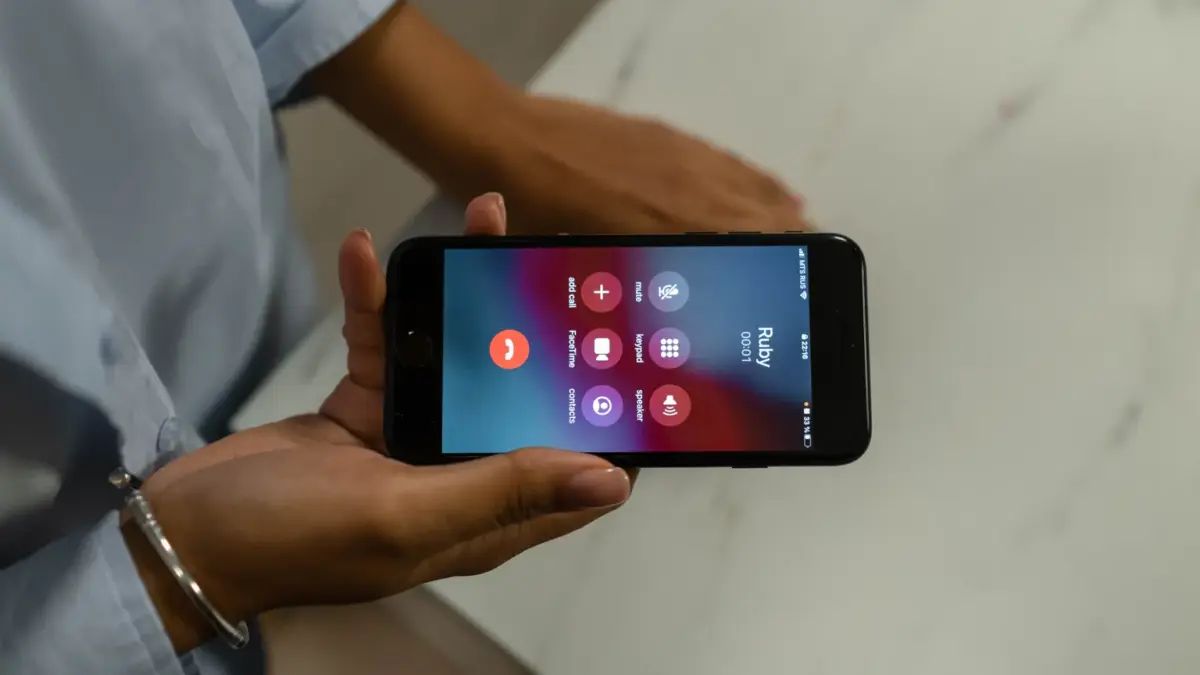
Social Security missed call scam warning, Digi Mart USA News: A missed call from a number labeled “Social Security Administration” can prompt immediate concern, especially for people awaiting retirement benefit information or worried about a monthly payment. According to the Social Security Administration, scammers can manipulate caller ID information to make calls appear to come from legitimate government offices.
In some cases, criminals have displayed the agency’s actual customer service number. Federal officials recommend checking the caller before returning any unfamiliar call to protect benefits, personal information and bank accounts.
Not every missed call from Social Security is fraudulent. Employees sometimes contact people by telephone about legitimate agency business, such as after a recent benefit application, a requested callback or a need to update information tied to an existing account.
However, the agency generally communicates problems involving Social Security numbers or records through mailed notices, so an unexpected call demanding immediate action warrants skepticism.
A displayed phone number does not prove who is calling. Criminals use caller ID spoofing to make incoming calls appear to originate from trusted organizations.
The Social Security Administration’s Office of Inspector General has previously documented scams involving the agency’s legitimate 1-800-772-1213 customer service number, so even an exact match on the screen should be independently verified.
If you receive an unexpected missed call, avoid using an unfamiliar callback number or following instructions from an unverified voicemail. Instead, contact the agency directly using the telephone number published on its official website.
The Social Security Administration’s contact page lists 1-800-772-1213 as its national customer service number, with representatives generally available Monday through Friday from 8 a.m. to 7 p.m.
local time. You can also find your nearest office through the agency’s official online office locator.
Scammers often create panic by claiming something serious will happen unless you respond immediately, such as a suspended Social Security number, canceled benefits or an arrest. According to a March 2026 Social Security Administration warning, legitimate employees will never threaten arrest, suspend someone’s Social Security number or demand immediate payment.
Claims that a bank account has been linked to criminal activity and must be secured through an urgent transfer are another common tactic. Anyone using fear to pressure you should be hung up on, and the agency should be contacted independently.
Some fraudulent callers pretend they are simply updating government records and ask you to confirm your Social Security number, date of birth, address or bank account details. Information gathered in such conversations can be used for identity theft or financial fraud.
If someone requests sensitive details unexpectedly, end the conversation and verify the matter through an official government channel.
Federal officials emphasize that government employees will never instruct beneficiaries to transfer money into another account to protect it from fraud. Anyone demanding cryptocurrency, gift cards, wire transfers, cash or secret financial transactions while claiming to represent Social Security is showing major warning signs of a scam.
If you returned a suspicious call but did not provide personal information or money, you can end contact and independently verify whether Social Security needs anything from you. If you shared your Social Security number, banking details or account credentials, address those risks promptly.
The Federal Trade Commission’s IdentityTheft.gov website provides personalized recovery steps, and you should contact your financial institution through its verified customer service number if you transferred money or disclosed banking credentials.
Suspected Social Security impersonation scams can be reported to the SSA Office of Inspector General and through the FTC’s ReportFraud.ftc.gov website.
An unfamiliar caller ID or urgent voicemail does not automatically mean there is a legitimate problem with your account. Social Security employees sometimes make genuine calls, but they will not demand immediate payment, threaten arrest or instruct you to move money for protection.
When uncertain, use independently verified contact information to determine whether any action is necessary.