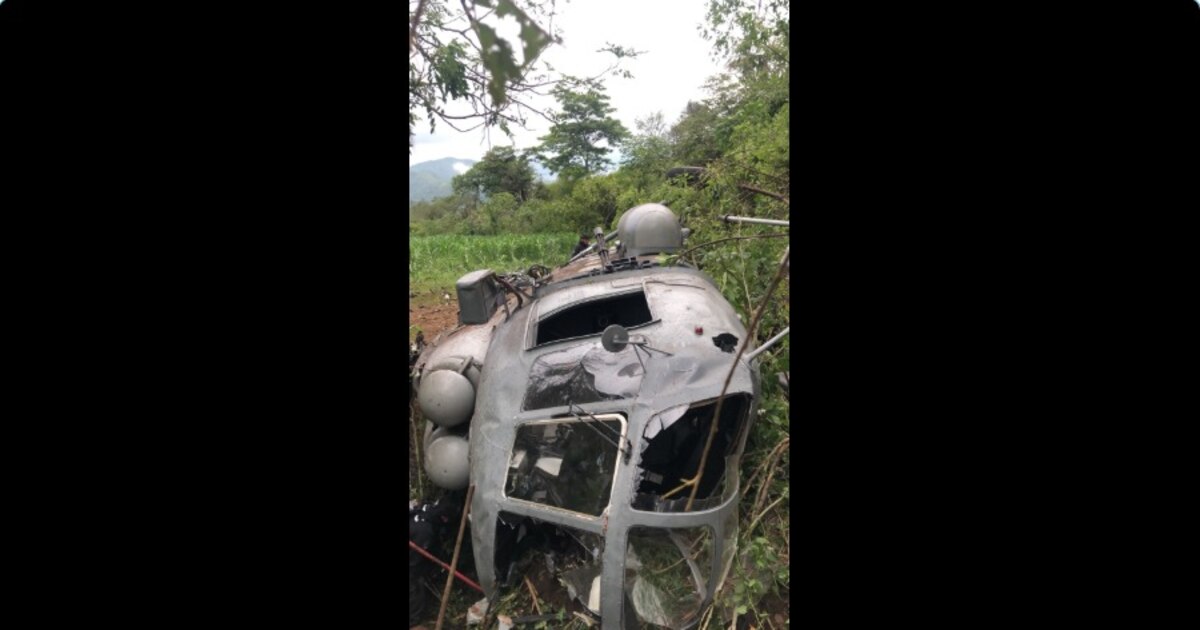
Temecula helicopter crash, Digimart Global (Temecula, Riverside County, California): Two men were killed after a Robinson R22 helicopter crashed on a hillside in the Temecula wine country area of southern California on Monday, November 23, according to a report published by Infobae citing local reporting. Authorities identified the victims as Christopher Lamaku, 36, and Steven Madrid, 26.
The aircraft came down near De Portola and Oak Mountain streets, an area of vineyards and rural land in Riverside County. Both occupants were pronounced dead at the scene, according to the county medical examiner’s office.
The two-seat helicopter had departed from French Valley Airport in southwest Riverside County, a starting point confirmed by county airports manager Angela Jamison to the Los Angeles Times.
The Federal Aviation Administration placed the accident at around 9:30 a.m. The Riverside Fire Department said it received the alert at 9:29 a.m.
from a location less than 800 meters, or half a mile, from a water treatment plant. Riverside County sheriff’s deputies also responded to the emergency call, and FAA personnel later visited the site to begin initial technical support work.
Lamaku, a Escondido resident, held a pilot’s license according to online records reviewed by The Press-Enterprise. Captain Erik Witholt, a spokesperson for the Escondido Police Department, told the newspaper that Lamaku had been a reserve officer with that department before joining the U.S.
Marine Corps. Madrid, the medical examiner’s office said, was from Yuma, Arizona.
Authorities have not yet said which of the two men was flying the helicopter, and public information does not establish the relationship between the two men or the purpose of the flight.
NTSB investigation and next steps
The National Transportation Safety Board has taken over the investigation. Investigators are expected to document the crash site and move the wreckage to a secure facility for examination.
According to The Press-Enterprise, the review will also cover maintenance records, available route data and weather conditions in the area, to determine whether mechanical, operational or external factors played a role.
No official cause has been announced, and no authority has released a preliminary explanation. The NTSB typically publishes a preliminary report several weeks after an accident, which usually sets out confirmed initial data but not a final cause.
A full conclusion may take considerably longer, depending on the condition of the wreckage and the technical information investigators are able to recover.