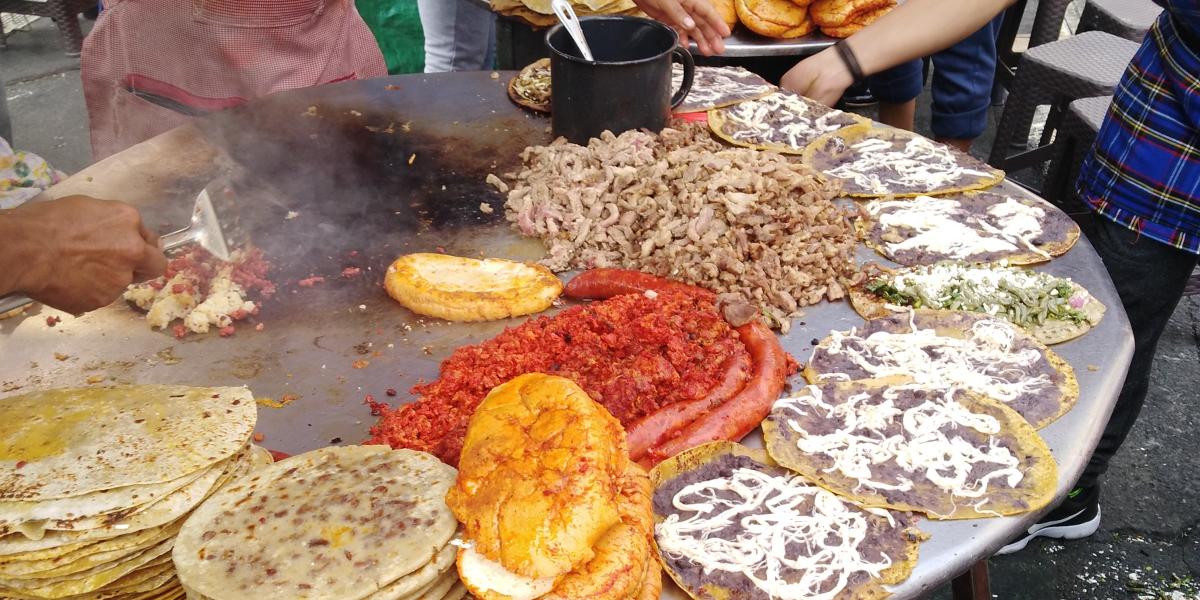
Mexico neighborhood food trends from street tacos to fine dining, Digi Mart USA News: Gastronomy conversations often focus on author restaurants, tasting menus and dishes that trend on social media. However, Gustavo Prado, founder of Trendo.mx and a consumer trends analyst, says a decisive part of innovation is found elsewhere: in neighborhoods, street food and flavors that form part of daily life.
“It seems we are in the boom of fine dining, but that does not mean that is the whole reality,” he says. In his view, focusing only on haute cuisine leaves out most consumers, who seek different experiences that are also accessible, familiar and close to their budgets.
Prado observes that Mexican palates are interested in a wide range of dishes, including pizza, Chinese food, Japanese food and tacos. This variety opens opportunities to develop local proposals, since each region has ingredients, recipes and stories that can become its own gastronomic identity.
The example is not limited to the most recognized traditional kitchens. It also appears in the differences between northern and central Chinese cuisine, in the offerings of Oaxaca and Chiapas, and in the development of new gastronomic hubs.
“New focal points have developed, with other recipe books and proposals,” he notes.
For Prado, walking the street allows people to understand a part of Mexico that does not always appear in guides or restaurant criticism. Stalls and small businesses sustain an everyday way of cooking and eating, and approaching them can also be a way to discover flavors and recognize their origins.
This popular culture now coexists with new forms of consumption. On delivery platforms, he explains, a person can order from an established stall, a chain, a dark kitchen or a high-priced restaurant.
The offer covers different budgets and different ways of presenting food, from carefully designed packaging to a torta wrapped in a napkin.
“Many times I have breakfast with a torta that comes in a bag, wrapped in a napkin. It has that idea of the popular that has always existed; it arrives with that warmth and that is how I want to enjoy it,” he says.
That image points to what consumers value: not only packaging, but also familiarity and the satisfaction the dish provides.
The challenge arises when innovation concentrates in certain neighborhoods and prices rise along with their popularity. Prado describes a process in which some places begin with novel proposals and later standardize their menus.
For him, each offering must find its place without losing sight of what made it attractive.
He also considers that the arrival of chefs and gourmet projects on the street responds to demand for affordable options. Everyday food, he says, should be flavorful and nutritious, but also fit within the budget of those who order it frequently.
From this perspective, Mexican gastronomy is not explained only at luxury tables. It is also seen at stalls, in neighborhood kitchens and in the choices of people deciding what to eat every day.
For Prado, this is one of the keys to understanding where consumption is heading: in what is close, local and already recognized as one’s own.