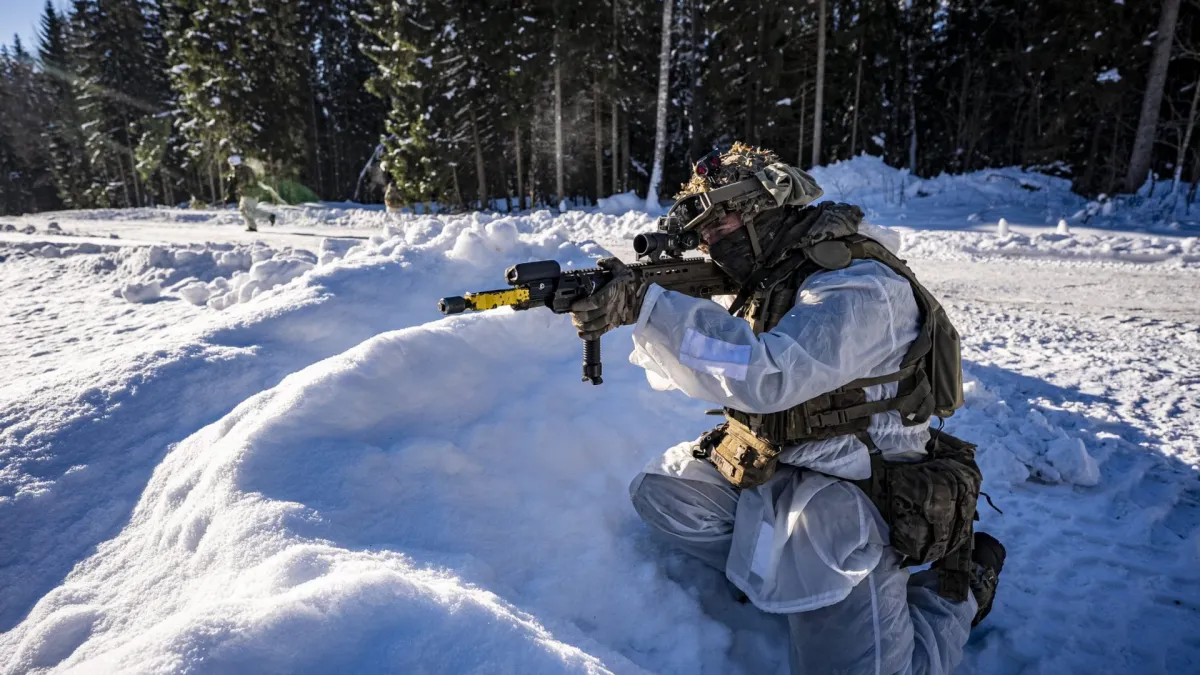
UK Strategic Reserve veterans, Digimart Global (United Kingdom): British veterans are being tracked down and asked to re-register with the military as the UK prepares for the possibility of calling them up in wartime, according to The i Paper. Around five per cent of former personnel are liable to be recalled to the Armed Forces in an emergency.
Known as the Strategic Reserve, this group would form the third wave of troops used in wartime. They would most likely plug gaps in the full-time forces and the volunteer reserve, and could also be used for homeland defence.
However, the readiness of the Strategic Reserve has been allowed to lapse since the Cold War, and little is currently known about its fitness, training or willingness to rejoin.
Letters sent to around 50,000 veterans
UK military chiefs have written to around 50,000 veterans to establish their readiness to fight and to build a database of skills and experience the Ministry of Defence could draw on if needed. Letters are also published online asking veterans to update the information the Army, Navy and RAF hold on them.
Anyone who believes they have a Strategic Reserve liability is urged to contact their former service.
Once their readiness is known, some veterans will be invited to volunteer for military training and exercises, including Nato’s Steadfast Defender exercise next spring. Based in Belgium, Steadfast Defender will bring together multiple militaries from the alliance’s 32 member countries to drill how they would respond to an attack.
Changes to liability age
Currently, Strategic Reserve liability ends at the age of 55, but this is due to rise to 65 as the Armed Forces Bill comes into law at the end of this year. The nature and length of an individual’s liability depends on their history, including rank, branch of the forces and length of time in uniform.
Minister for Veterans and People, Calvin Bailey, said the Strategic Reserve could help deter Russian aggression. He said: “While most Strategic Reserves will never be called to return, they are part of our country’s deterrent, helping to prevent conflict every day.” He added: “These letters do not mean reserves are about to be mobilised.
It is simply good housekeeping to make sure we know how to contact those who are eligible and keep up to date on their skills and experience.”
Historical context and concerns
Vince Connelly, a professor of Psychology at Oxford Brookes University who specialises in military reserves, described the move as an “insurance policy”, as the UK had during the Cold War. In the 1980s, the Army kept a database of gaps in its force and matched them to veterans with the necessary skills, and attendance at required checks stood at 92 per cent, Connelly said.
That scheme later ended, and concerns have since been raised about how little is known about the Strategic Reserve, particularly since Russia’s full-scale invasion of Ukraine in 2022.
Former head of the Navy, Admiral Lord West, told The i Paper he did not believe the UK had “a proper Strategic Reserve”, while former MoD official Matthew Savill said it was not clear what parts of the reserve looked like, where they were or what state they were in.
Practical challenges
Ed Arnold, a British Army veteran and senior associate fellow at the defence think-tank RUSI, said building and maintaining better data on the reserve’s membership, circumstances and skills was “paramount” to calling them up in a crisis. He warned that many may already work in critical roles, such as the NHS or the defence industry, which could leave other gaps in wartime.
Arnold and Connelly also cautioned that not all veterans would be willing to be recalled, citing the Northern Ireland Troubles bill and the Haddon Cave inquiry into allegations of unlawful killings by some soldiers in Afghanistan.
Arnold also said that outdated skills could make it difficult for some veterans to fit into existing training, and that providing new equipment and refreshing their military education could be costly. He suggested that training for mobilisation was more likely than integration into exercises next year.