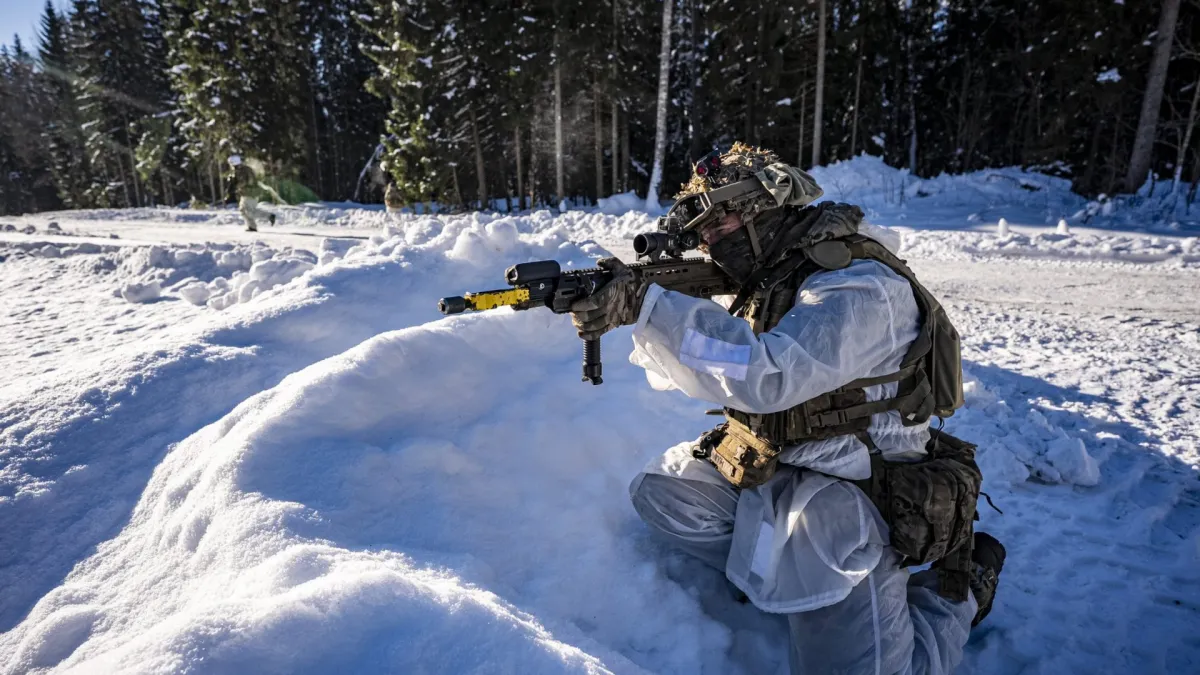
UK Strategic Reserve veterans, Digimart Global (United Kingdom): British veterans are being tracked down and asked to reregister with the military, as the UK prepares for the possibility of calling them up in wartime, according to The i Paper.
Around five per cent of former personnel are liable to be recalled to the Armed Forces in an emergency. Known as the Strategic Reserve, this group would form the third wave of troops used in wartime, most likely to fill gaps in the full-time forces and the volunteer reserve, and could also be used for homeland defence.
The readiness of the Strategic Reserve was allowed to lapse after the Cold War, and little is currently known about the fitness, training or willingness of members to rejoin. UK military chiefs have now written to around 50,000 veterans to gauge their readiness and build a database of their skills and experience for the Ministry of Defence.
Letters are also being published online asking veterans to update the information held by the Army, Navy and RAF. Once readiness is known, some veterans will be invited to volunteer for training and exercises, including Nato’s Steadfast Defender exercise next spring in Belgium, which will involve forces from the alliance’s 32 member countries.
Strategic Reserve liability currently ends at age 55, but this is due to rise to 65 when the Armed Forces Bill becomes law at the end of this year. The length and nature of liability depend on rank, branch of the forces and time served.
Minister for Veterans and People Calvin Bailey said the Strategic Reserve is part of the country’s deterrent and that the letters do not mean reserves are about to be mobilised. He described the exercise as good housekeeping to keep records of eligible people and their skills up to date.
Vince Connelly, a professor of psychology at Oxford Brookes University who specialises in military reserves, described the arrangement as an insurance policy, similar to the approach used during the Cold War. In the 1980s the Army kept a database of gaps in its force and matched them to veterans, with an attendance rate of 92 per cent at biennial checks, according to Connelly.
Concerns have been raised since that scheme ended about how little is known about the Strategic Reserve, particularly since Russia’s full-scale invasion of Ukraine in 2022. Former Navy chief Admiral Lord West told The i Paper he did not believe the UK had a proper Strategic Reserve, while former MoD official Matthew Savill said it was unclear what the reserve looks like or how much could be called upon.
Ed Arnold, a British Army veteran and senior associate fellow at the RUSI defence think-tank, said better datasets were paramount for any call-up. He warned that some reservists may already be working in critical roles such as the NHS or defence industry, and that some veterans may be unwilling to be recalled, particularly amid the Northern Ireland Troubles bill and the Haddon Cave inquiry into allegations of unlawful killings by some soldiers in Afghanistan.
Arnold also said veterans with outdated skills may not easily fit into existing training, and that new equipment and refreshed military education could be costly, meaning mobilisation training is more likely than seamless integration into next year’s exercises.