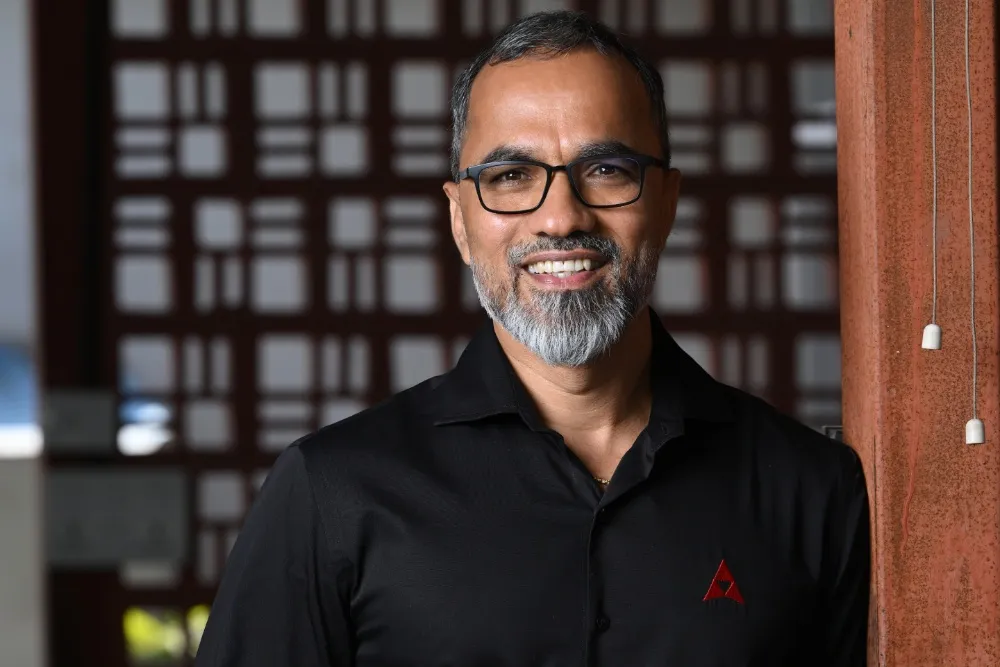
Annapurna Studios technology, Digimart Global (Hyderabad, India): C.V. Rao, chief technology officer at Hyderabad-based Annapurna Studios, has become the first technologist from South India to be named a Fellow of the Society of Motion Picture and Television Engineers (SMPTE).
Rao, who helped shape the production and post-production pipelines behind S.S. Rajamouli’s Baahubali films and RRR, told Variety that the honor carries added responsibility and an opportunity to learn from senior figures across the global SMPTE community.
Rao said the recognition reflects the technical talent available in India. He pointed to the studio’s capabilities in adopting advanced filmmaking technologies and said the next step is to contribute more actively to innovation, technology development and international standards.
How the Rajamouli productions shaped Indian post-production
According to Rao, Baahubali brought challenges well beyond what the studio had expected. The scale of the production demanded major upgrades in grading, processing power, storage, bandwidth and technical staff.
For Baahubali 2, the team set up a dedicated peer-to-peer link between Hyderabad and Los Angeles to send large volumes of material directly to Imax. The experience also led to the launch of ANR Sound & Vision, a one-stop post facility covering data management, editing, VFX, sound, grading and final mastering.
The Dolby Cinema version of RRR had its roots at a Dolby Cinema demonstration at NAB in Las Vegas, which led to talks with cinematographer K.K. Senthil Kumar, who pitched the idea to Rajamouli.
Rao said the team had to travel to Germany for the Dolby Cinema processing of RRR, which he said raised the question of why Indian filmmakers should depend on overseas facilities. That experience became a major motivation for establishing Dolby Cinema processing capabilities at Annapurna Studios.
Rao noted that India had skilled VFX artists and capable post houses before either film. He said the productions brought a new order of scale and complexity that pushed studios to grow their capabilities and strengthen collaboration between departments.
Both films also relied on international partners.
Virtual production and motion capture
Annapurna has invested in virtual production and one of India’s largest motion-capture stages. Rao said interest is growing but uptake has lagged expectations, partly because the format requires heavy preparation, including building digital sets and mapping camera moves and lighting before shooting.
He said late approvals and shooting schedules often leave too little time for that preparation, making conventional shooting the easier option. Rao expects motion capture and virtual production to become standard tools once more productions gain hands-on experience.
Research, premium formats and AI
Rao said Indian facilities can access most of the same advanced technology as established international hubs, but India trails in research and development, which he said needs more homegrown technology spending and testing of new workflows. Annapurna has also set up Dolby Vision and Dolby Atmos mastering facilities, and Rao said he sees premium theatrical formats as a possible way to draw audiences back to cinemas, though he called for better alignment between mastering capabilities and exhibition infrastructure.
On artificial intelligence, Rao said the technology is already useful for concept development, storyboarding, previsualization, restoration and repetitive VFX tasks. He said storytelling, performances and final artistic decisions must remain under human creative control.
Planning and training priorities
Rao, who has overseen technical pipelines for more than 500 feature-film deliveries, said most post-production problems trace back to poor planning, especially bringing post teams in too late and making major creative changes near delivery. He called for a friendlier business climate, consistent policy, competitive incentives, simpler approvals and more investment in research, training and integrated facilities so India can handle complete high-end international productions.