Shinji Mikami AI views, Digimart Global: Resident Evil creator Shinji Mikami has said he experiments with generative AI in game development but sometimes wishes the technology would disappear entirely. His remarks came during a G-CON keynote at G-STAR 2026, South Korea’s largest gaming exhibition, held November 19 to 22 at BEXCO in Busan.
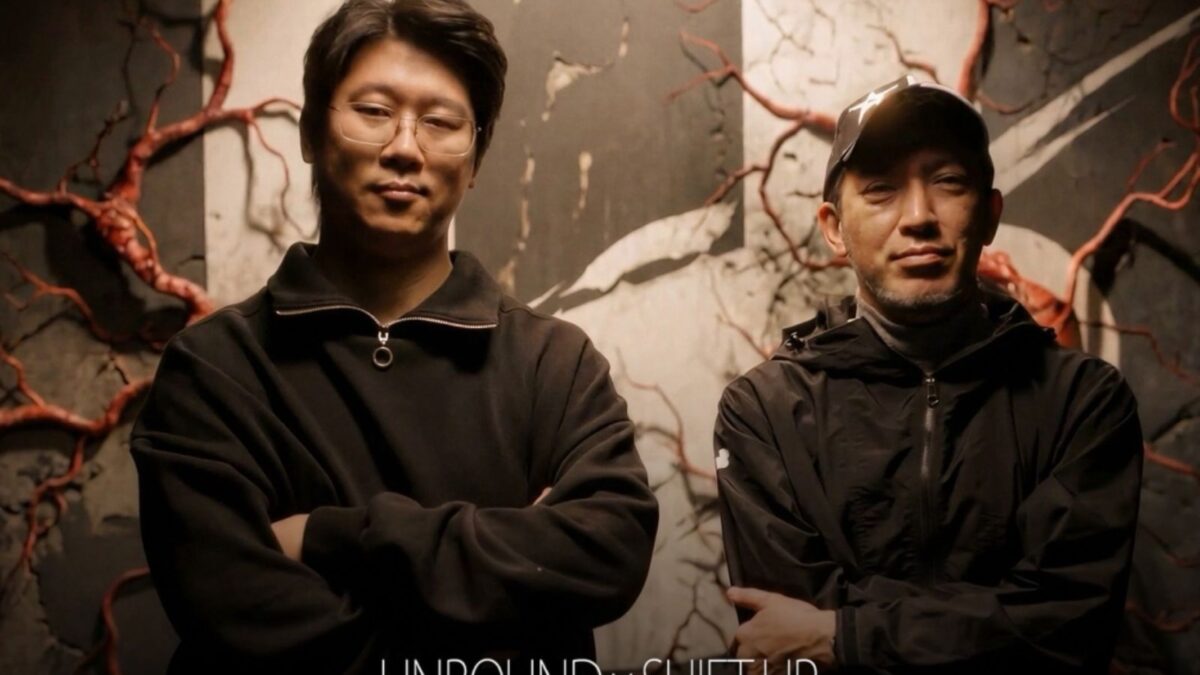
The day-one session paired Shift Up CEO and Stellar Blade director Kim Hyung-tae with Mikami, who now serves as Unbound CEO. Mikami’s Tokyo-based studio was acquired by Shift Up in April.
According to the publisher’s report, much of the discussion focused on narrative design, but both speakers spent considerable time on generative AI and did not take the same position.
Kim said developing games without AI is no longer possible, describing it as essential to Shift Up’s programming, QA, code review and debugging work. However, after backlash over the AI-generated music video for Stellar Blade: Blood Rain in July, the studio adopted an internal philosophy of “handmade from start to finish.” Kim said the episode showed how much human involvement in the final product shapes whether players accept it.
Under the new approach, human artists lay the foundation, AI handles intermediate tasks such as testing lighting variations, applying texture weathering and reducing polygon counts through retopology, and people then refine the results. Kim ruled out AI for story writing, arguing that its tone remains recognizable even when asked to revise.
This marks a notable shift from January, when he told a national economic briefing that with AI, “one person can perform the work of 100 people.” At G-CON, he warned studios against prioritizing efficiency, saying players do not love a game simply because it was made efficiently.
Mikami gave the session’s most concrete example. At Unbound, artists first create a character in 2D, and AI then produces a 3D preview inside the game that takes around 20 minutes to evaluate.
If the design works, modelers build the final asset. Previously, developers could spend nearly a month modeling a character only to find it clashed with the 2D art.
According to Yonhap’s report on the session, Mikami also agreed with Kim that design work itself should not be handed to AI, arguing that correcting its output wastes time.
Mikami was more conflicted about the technology. He said he experiments with AI because using it well can raise quality within the same budget, yet admitted he sometimes wishes it would vanish entirely, not only from games but from the world.
He also said no one can predict what the next five or ten years will bring, including whether developers will lose their jobs to AI.
Looking ahead to 2027, Kim expects AI-generated games to flood the market, though he believes low-quality releases will fade on their own and handcrafted titles will gain value. Mikami predicted that conversational AI characters will eventually appear in games, with early versions likely limited to more casual characters.