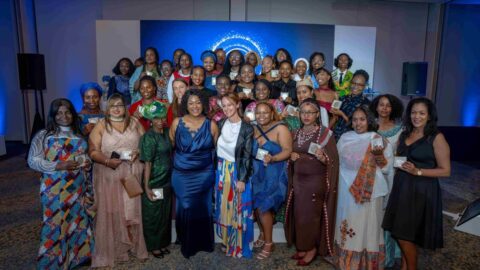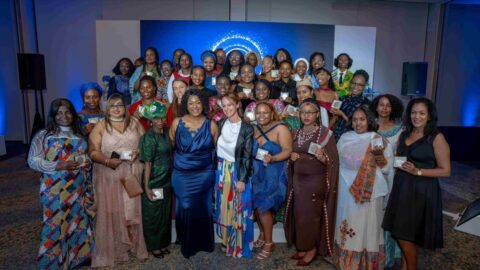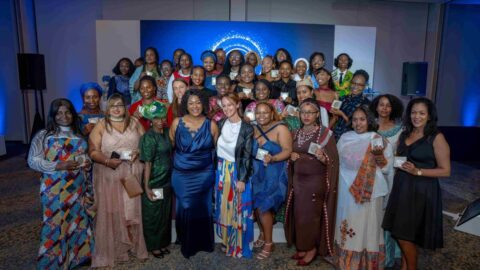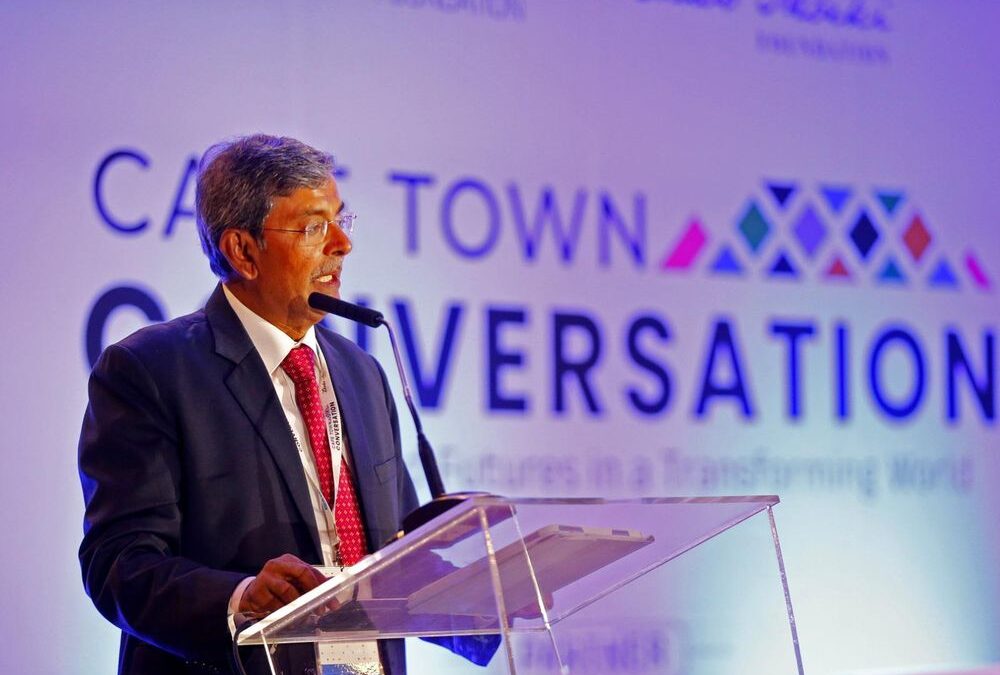
Cape Town Conversation 2026, Digimart Global (Cape Town, South Africa): Delegates at the fourth annual Cape Town Conversation spent Tuesday discussing how developing countries can work together more closely, covering topics from BRICS and rural development to artificial intelligence and climate action. The conference was held at The Westin in Cape Town and is hosted by the Thabo Mbeki Foundation and India’s Observer Research Foundation, under the theme “Shaping Shared Futures in a Transforming World”.
According to the publisher’s report, the first day focused on the world’s divisions, while the second day turned to what countries can actually do about them. The forum’s discussions were reported by IOL and have not been independently verified.
BRICS and the Push for Real Economic Benefits
BRICS, the group of major emerging economies, has recently expanded to include more countries from Africa, Asia and the Middle East. Delegates asked how the bloc can move beyond adding members and deliver real economic benefits over the next 20 years.
Speakers included India’s High Commissioner to South Africa, Prabhat Kumar, and Mogomme Alpheus Masoga, chairperson of the South African BRICS Think Tank, along with representatives from Russia, Brazil and Egypt. They focused on strengthening the New Development Bank’s ability to fund infrastructure and local manufacturing in developing countries.
Geopolitics and Alternative Trade Routes
In a session titled “The Return of Geopolitics”, panellists discussed how shipping routes, energy supplies, critical minerals and financial systems are increasingly used as tools of political pressure rather than only for ordinary trade. Experts from the South African Institute of International Affairs, the International Crisis Group, South Korea and Latvia examined how developing countries might set up alternative trade routes and financial arrangements without becoming dependent on another powerful country.
Growth Starting in Local Communities
With government budgets under pressure and less international development funding available, morning sessions explored growth that begins in local communities. Swati Sharma of India’s Ministry of Rural Development and former Ethiopian Deputy Prime Minister Ato Demeke Mekonnen led discussions on sharing knowledge between countries.
One example was linking India’s National Rural Livelihoods Mission with African programmes such as Nigeria for Women, aimed at helping women start businesses and gain access to digital financial services. A separate session examined how AI can move beyond small test projects to help businesses grow in developing economies.
Cleaner Energy Partnerships
Afternoon sessions focused on the shift to cleaner energy. Delegates discussed partnerships that would combine South Africa’s mineral resources, India’s clean-energy manufacturing, Brazil’s biofuels and Indonesia’s battery industry.
Speakers also warned that delaying action on climate change will weaken economies and make food less secure.