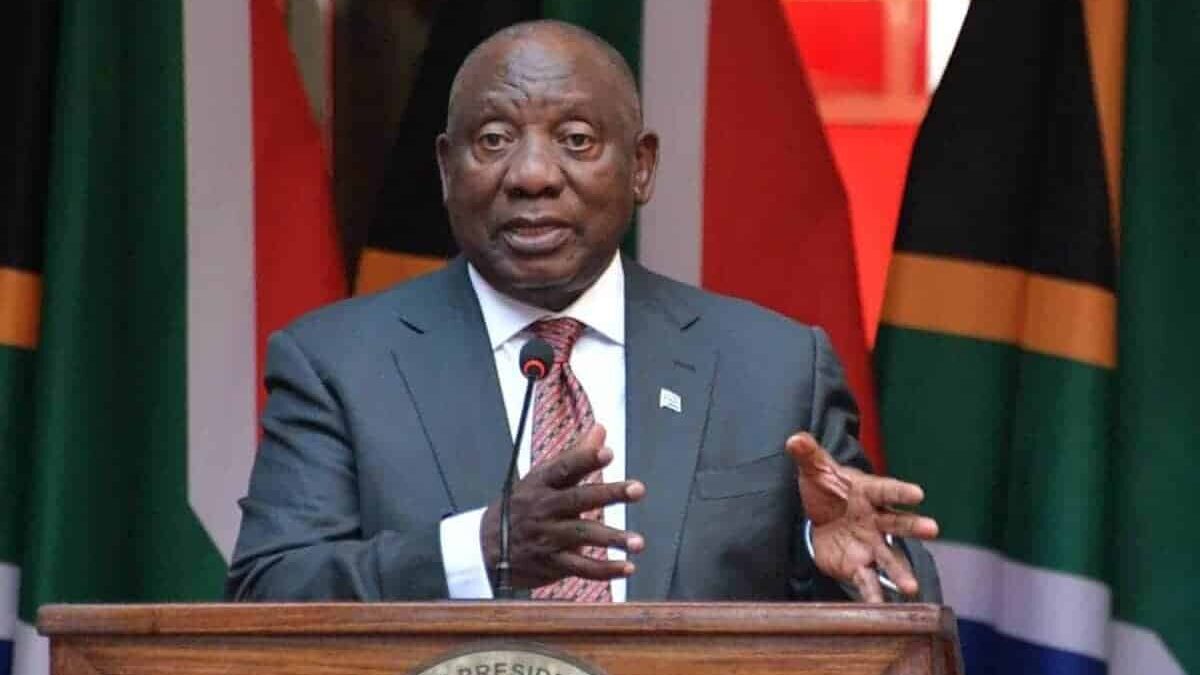
GBVF recovery plans, Digimart Global: President Cyril Ramaphosa says the ministers of police and justice and constitutional development have until the end of December to develop individual recovery plans for “priority and stalled” gender-based violence and femicide (GBVF) cases. Speaking during a question-and-answer session with the National Council of Provinces on Tuesday, he admitted that progress under the National Strategic Plan on GBVF has not been sufficient to prevent continued violence against women and children.
Ramaphosa said the immediate measures he announced on 29 September set out specific short-term deliverables, responsible institutions, implementation timeframes and reporting obligations. He was responding to EFF MP Mandisa Makesini, who asked how those measures differ from earlier unfulfilled executive promises following the discovery of women’s bodies in Ekurhuleni.
Audits and forensic backlogs
According to Ramaphosa, the ministers, together with the South African Police Service (Saps) and the National Prosecuting Authority (NPA), must audit unresolved murders, attempted murders, rape and serious sexual offences involving women and children by the end of November. The minister of police, the national commissioner of police and relevant forensic authorities have also been directed to develop a funded plan to reduce forensic backlogs within specific timeframes.
Ramaphosa said samples in cases involving the rape and murder of women and children must be processed urgently, with quarterly public reporting on progress. He cautioned that the directives alone cannot guarantee the safety of women and girls, and said success would be measured through improved institutional performance, timely access to justice, effective prevention and a demonstrable reduction in gender-based violence and femicide.
Water infrastructure and in-sourcing
Ramaphosa was also asked about South Africa’s water crisis, including infrastructure problems and the outsourcing of engineers and artisans. He said he often argues that government would function better if many services were in-sourced and staffed by people “doing the work that needs to be done” to deliver services.
“So, we need to have the engineers in-house because they are the ones who will always understand the architecture of our water system,” he said. He added that in-sourcing would create jobs and skills development for younger South Africans and could minimise corruption associated with outsourcing resources such as water tankers.
“Becoming a capable state means that we’ve got to have full control of the services that are delivered to our people,” he said.