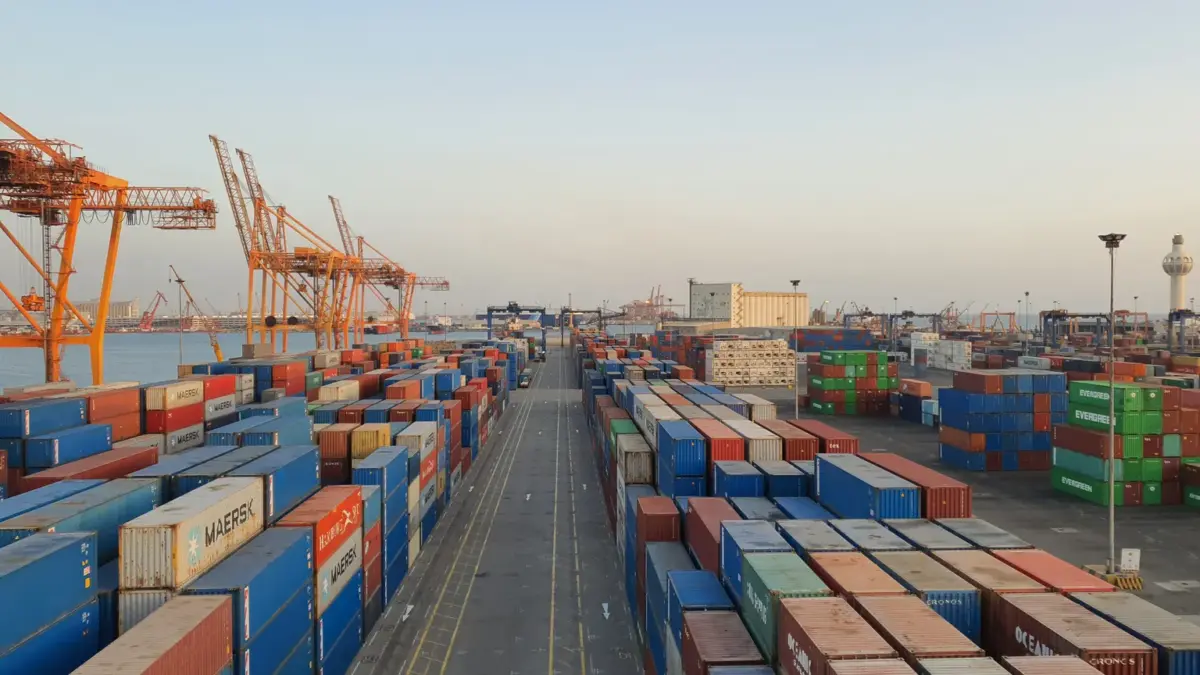
China recupera terreno en las cadenas de suministro, Digi Mart USA News: Mexico City, November 3, 2026. Tariff pressure has not displaced China from its key role in U.S.
supply chains, according to QIMA’s fourth-quarter 2026 Barometer, which examines the evolution of international supply chains.
The report identifies a partial return of U.S. buyers to China following the rapid exit recorded in 2025.
The narrowing tariff gap with Southeast Asia and China’s industrial advantages are once again weighing on purchasing decisions.
China’s infrastructure, the availability of skilled workers and its extensive supplier network make its production capacity difficult to replace. The return does not fully reverse the diversification of recent years, however.
Companies continue adding suppliers in other markets to reduce dependencies and respond to trade changes or disruptions. Having more options also brings the challenge of maintaining consistent quality and coordinating production and deliveries across countries.
While U.S. buyers resume orders in China, Mexican companies are expanding their sourcing options in Southeast Asia, with Vietnam among the standout markets.
The move aims to complement their current networks with suppliers that allow them to respond to different production needs.
QIMA’s activity reflects this trend: during the third quarter of 2026, inspections and audits performed for Mexican buyers in Southeast Asia rose 102% compared with the same period a year earlier. This growth reflects greater sourcing activity by QIMA’s Mexican clients in the region.
For Mexican buyers, expanding their presence across markets can offer alternatives to delays, price changes or production difficulties. To turn that diversification into greater stability, it is essential to understand new suppliers’ capacity and ensure they can meet agreed quality standards and deadlines.
The partial return of U.S. buyers to China and Mexico’s search for alternatives in Southeast Asia show that supply chain reorganization does not follow a single direction.
As purchasing decisions adjust to tariffs and production conditions, reliable suppliers in multiple markets can give Mexican companies greater capacity to sustain their sourcing amid new disruptions.