digital apocalypse outages, Digimart Global: French tech publication Futura Sciences reports that a series of recent cyberattacks and IT failures shows how digital disruptions can affect the physical world, from food storage to hospital care.
According to the publisher, on October 12, 2026, refrigerators at hundreds of French supermarkets began defrosting and pushed the temperature of some cold rooms as high as 50 °C. More than 700 stores were affected, thousands of tonnes of products were destroyed, and at least 15 fires were reported.
The attack targeted remote temperature regulation of poorly secured refrigeration equipment.
Futura Sciences also reports that on November 2, 2026, cooling equipment at three regional sites of the Établissement français du sang (EFS), the French blood service, was targeted. Cold rooms that keep plasma for transfusions at -30 °C were reportedly pushed toward 110 °C, though authorities said that level was not reached.
The publisher says authorities reported that no plasma was lost and no health consequences occurred. Futura Sciences notes that no link to the supermarket attacks has been established.
The publisher further reports that since November 21, 2026, the CHU de Guadeloupe hospital has faced a large-scale cyberattack affecting encrypted databases, IT and telephone systems, with non-priority care postponed and only the SAMU emergency service still operating normally. Futura Sciences says large-scale outages have also occurred outside France.
It cites a recent aviation disruption in the United States that it attributes to the rollout of a new AI-assisted air traffic support system, and a banking outage at JPMorgan Chase linked to a software failure. It also describes a worldwide Outlook and Microsoft 365 disruption about ten days earlier, attributed to a bug rather than a cyberattack.
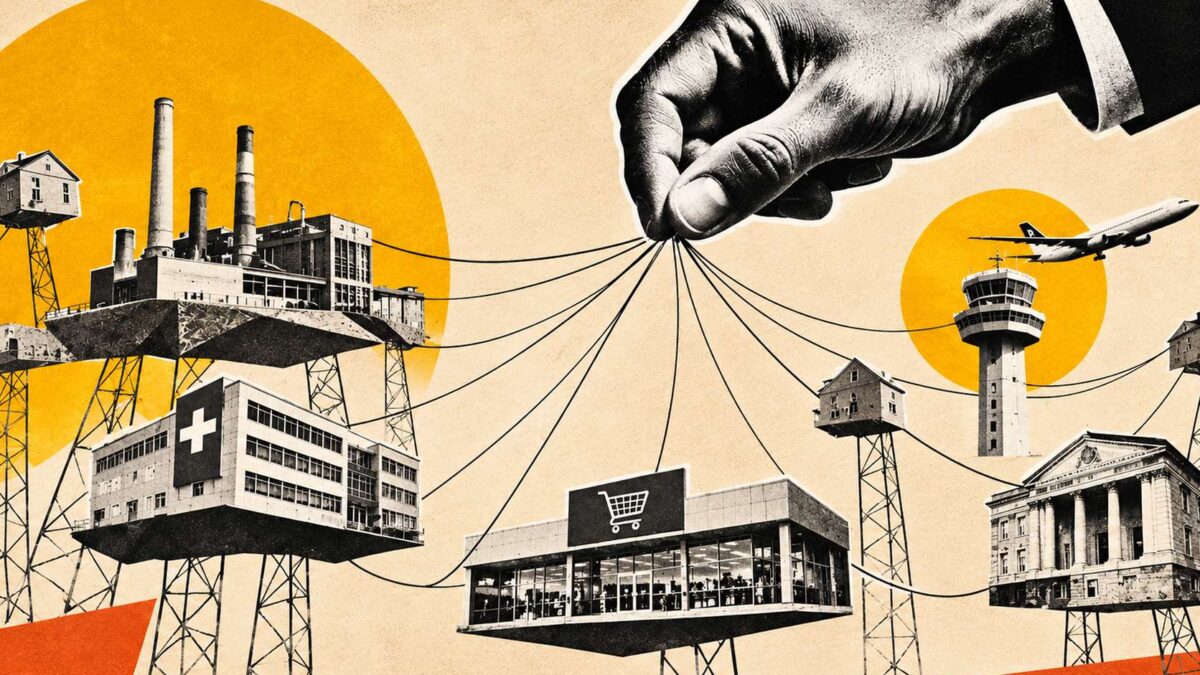
The article argues that these incidents point to a more serious scenario if such failures spread across energy, water, telecommunications and payment systems at once. It also questions whether governments are sufficiently prepared and resilient.
Futura Sciences notes that France plans a large simulation of a total energy blackout within months and that the government recommends emergency kits to remain self-sufficient for 72 hours during a major crisis.