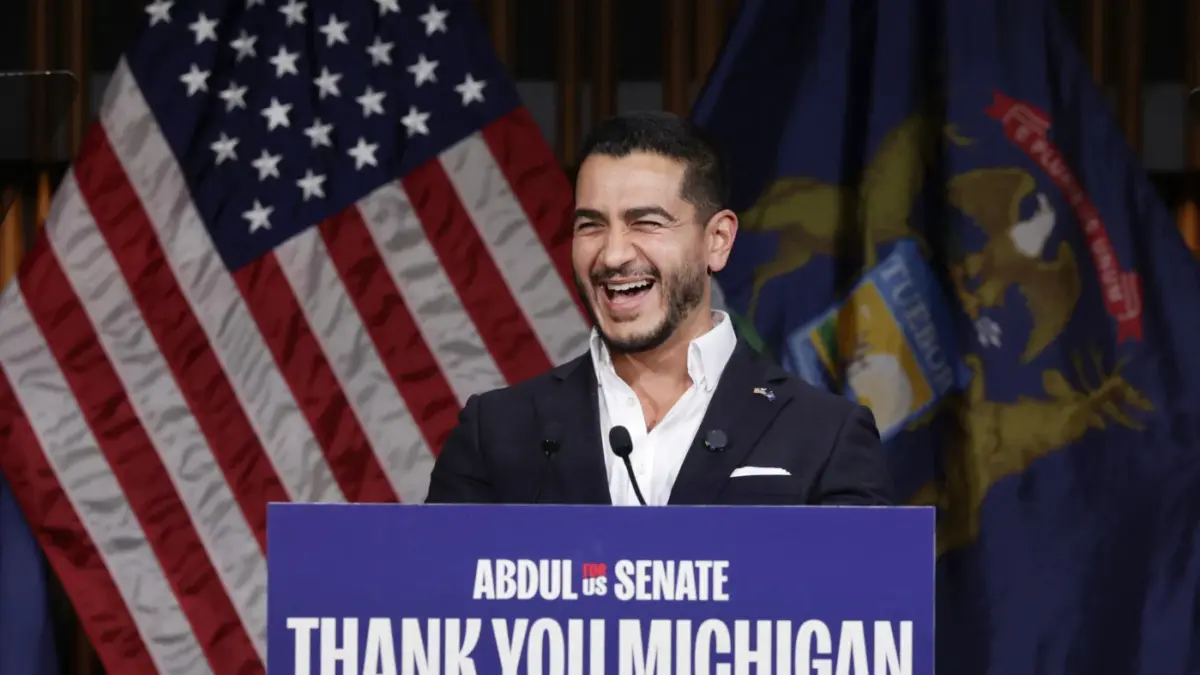
Medicare for All, Digimart Global: Universal, government-funded health coverage is returning to the center of national debate after several candidates who made it a campaign pillar won in the midterm elections. Newly elected Democratic U.S.
senators from Michigan, Maine, Iowa and Texas are among those who say they will push the incoming Democratic majorities in the House and Senate to address healthcare affordability, a concern many voters raised on the campaign trail.
Past attempts to overhaul the system have exposed deep divisions within the party. The Clinton health reform effort in 1993 and 1994 fractured over whether to pursue a dramatic overhaul such as Medicare for All or incremental changes like a public option.
The Affordable Care Act, which made incremental reforms, passed in 2010 only after similar disputes.
Public Understanding and Shifting Support
Public support for the policy depends heavily on how it is described. Nicholas Bagley, a University of Michigan law professor who has written about health policy, said many people hear the phrase and simply think healthcare is good and more of it is desirable.
Mollyann Brodie, executive vice president and chief operating officer of KFF, said survey support can rise to about three-quarters when the policy is framed as a guaranteed right to healthcare or as eliminating insurance premiums, but can fall into the 20s when framed as requiring higher taxes or threatening the current Medicare program.
Financial and Political Obstacles
According to the source, the Medicare trust fund that supports the hospital insurance part of the program is projected to become insolvent in 2033. Beneficiaries face significant out-of-pocket costs for premiums, deductibles and coinsurance, and traditional Medicare does not cover dental, vision, hearing or, most expensively, long-term care. Most outside estimates cited in the report say expanding Medicare benefits would be expensive and likely require large tax increases.
The incoming Democratic majorities must also decide whether to prioritize reversing spending cuts made under the Trump administration to Medicaid and to Affordable Care Act health plans, or to expand coverage and lower costs. Any legislation would face likely veto from President Donald Trump, who has previously called Medicare for All a “socialist takeover of our healthcare system,” and the new majorities are not veto-proof.
Democrats will also include both progressives backing Medicare for All and moderates from swing districts.
A Possible Shift in Public Opinion
Rep. Hakeem Jeffries of New York, before being nominated as the next speaker of the House, voiced support for expanding government-funded coverage, including lowering the age of Medicare eligibility and covering all children.
A September KFF tracking poll reported in the source found professed support for Medicare for All at its highest level since KFF began regularly asking about it, with a majority saying they would support the policy even if it eliminated the private insurance industry. Analysts cited in the report note that opposition campaigns by the health insurance industry could change that sentiment.