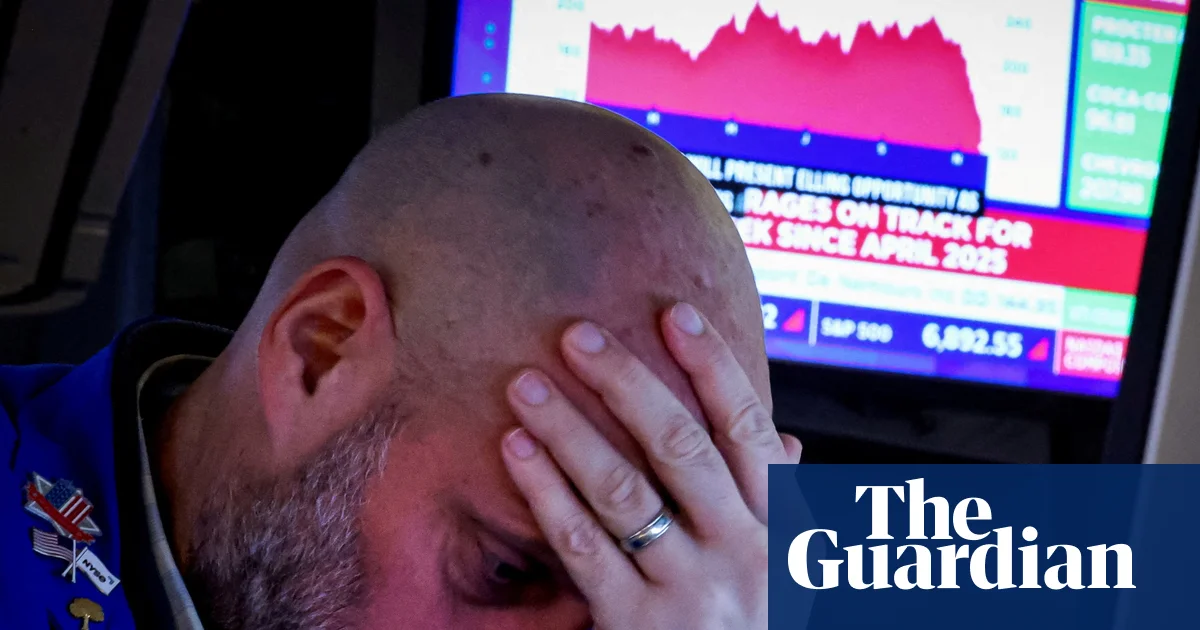
Falling markets investors, Digimart Global (United Kingdom): Global stock markets have been volatile, with signs that investors are growing cautious about the outlook for AI companies and selling technology stocks. According to a report in The Guardian, stock markets around the world fell on Friday, and the US Nasdaq closed 5% below its mark on 1 January, after a record-breaking first day for the AI company Anthropic the previous week.
Markets were calmer on Monday, but the article describes the current period as a confusing time to hold shares. Investor confidence appears to have weakened over the valuations of companies involved in AI rather than the technology itself.
Several events this month, including the scale of the Democrats’ win in the US midterms and the exit of Nvidia’s chief executive Jensen Huang, which the report links to an alleged Chinese spy, were followed by rapid sell-offs in tech stocks.
Why passive funds may be more exposed than they seem
Many people hold shares through pensions or other investment accounts, and the largest falls have hit companies that dominate market indices and the passive funds that track them. Dan Coatsworth, head of markets at AJ Bell, says two popular passive options, global equity funds and funds tracking the S&P 500, both have heavy exposure to big tech.
The report notes that US shares now make up 73% of the MSCI World index, compared with half 15 years ago, and that tech accounts for 31.8% of the index, or 37.5% if Alphabet and Meta are counted as tech rather than communication services.
Investors who believe a global fund has spread their risk may therefore be more concentrated in technology than they expect. The article also notes that the investment platform interactive investor’s recent quarterly data shows global tracker funds are well represented in customer portfolios, as is Scottish Mortgage, an actively managed investment trust holding SpaceX, Nvidia and Anthropic among others.
Losses only become real when you sell
The report stresses that share prices falling does not mean losing money until shares are sold. Depending on when they invested, some people may not have losses on paper at all, as stock markets have climbed in recent years.
The FTSE 100 remains higher than it was last year, and Scottish Mortgage has fallen since mid-October but is still well up on the same time last year.
Holly Mackay, chief executive of Boring Money, says the instinct to act when markets fall is often the worst response, and that doing nothing can be the most sensible option. Coatsworth says recent sell-offs, while unpleasant, are not unusual, and that markets have recovered after earlier drops, including after the April 2025 tariffs announcement by Donald Trump and falls linked to inflation and the Covid pandemic.
Reviewing diversification and retirement plans
Camilla Esmund, head of investor campaigns at interactive investor, says falling markets are a useful prompt to review investment strategy, risk levels and diversification across sectors, regions and asset classes. For people approaching retirement, Coatsworth says the key is to check that investments still match how they plan to draw an income from their pot.
The article outlines several options. One is a global equity fund that excludes the US, such as the iShares MSCI World ex-US ETF, which would reduce tech exposure but could mean missing out if US tech stocks recover.
Another is the Invesco MSCI World Equal Weight ETF, where the US made up 40.6% of the investment at the end of September, less than in a traditional global fund. The report also says Hargreaves Lansdown clients bought overseas tech shares after the post-midterm falls, and Mackay said she expects some pain but plans to buy quality companies she considers unfairly punished.