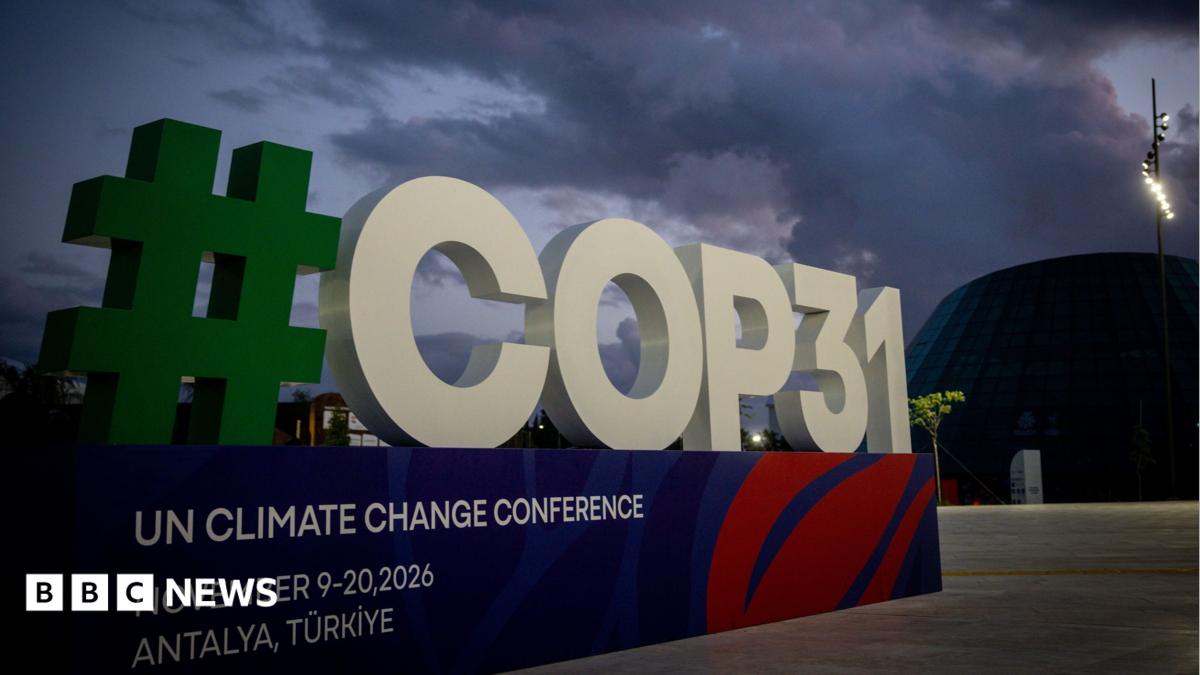
COP31 climate talks, Digimart Global (Antalya, Turkey): The COP31 summit in Turkey ended without agreement on its central political deal, the Antalya Pacts, despite Australia and Turkey jointly leading the negotiations. The talks, described as the longest-running climate negotiations in UN history, closed after a fractious final day in which some countries walked out over the omission of fossil fuels from the text and disputes over money.
The outcome came against a backdrop of severe climate impacts in 2026, including glacier collapses, record European heat and wildfires across Asia. The draft agreement had acknowledged that climate action to date has failed to meet its most crucial target of limiting warming to 1.5C above pre-industrial levels.
Without agreement, that recognition was lost.
Divisions over fossil fuels and climate finance
The breakdown centred on fossil fuel language, which countries could not agree on, even though the same pledge had been made at COP28 in Dubai three years earlier. Rich nations also failed to set a figure for how much more money could be provided to developing countries to adapt to climate change, despite a commitment from last year to triple adaptation finance by 2035 from $40bn (£30bn).
Its interpretation remains contested.
At the close, UK Energy Secretary Miatta Fahnbulleh said the conference had sought to confront hard truths, including that global warming is set to overshoot 1.5C. Australia’s Chris Bowen, who co-led the negotiations, described the geopolitical environment as the most complicated and fraught in living memory.
In the final meeting, EU representative Darragh O’Brien said the talks had been hijacked by some oil states, while Russia’s delegate, Sergei Kononuchenko, accused the EU of providing climate finance only as loans.
Procedural progress and what comes next
Some progress was made on the wider agenda. Delegates agreed to advance a just transition framework to protect workers and communities during the shift to clean energy, and funds from a global carbon credit system will go towards helping developing countries adapt.
Many items remain unresolved, including the work programme on cutting emissions, which will be taken up at COP32.
The International Energy Agency has said disruption to oil and gas supplies through the Strait of Hormuz has been the biggest energy supply shock in history, which it says is pushing countries towards electricity generated at home. Fatih Birol, head of the IEA, told the BBC that energy security and climate policies are now closely aligned.
Business voices, including Dr Jennie Dodson of the World Business Council for Sustainable Development, have said policy barriers on infrastructure and permitting still need addressing.
Observers are now questioning whether the COP process remains fit for purpose. Climate campaigner Camilla Born said the conference is becoming more procedural, while Alden Meyer of the think tank E3G argued that the COP process reflects government choices rather than being the root problem.