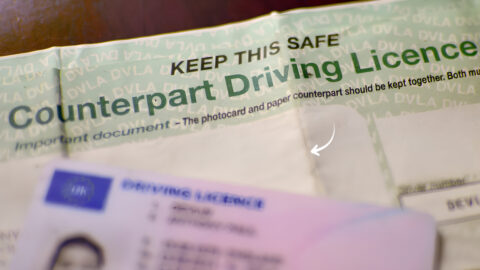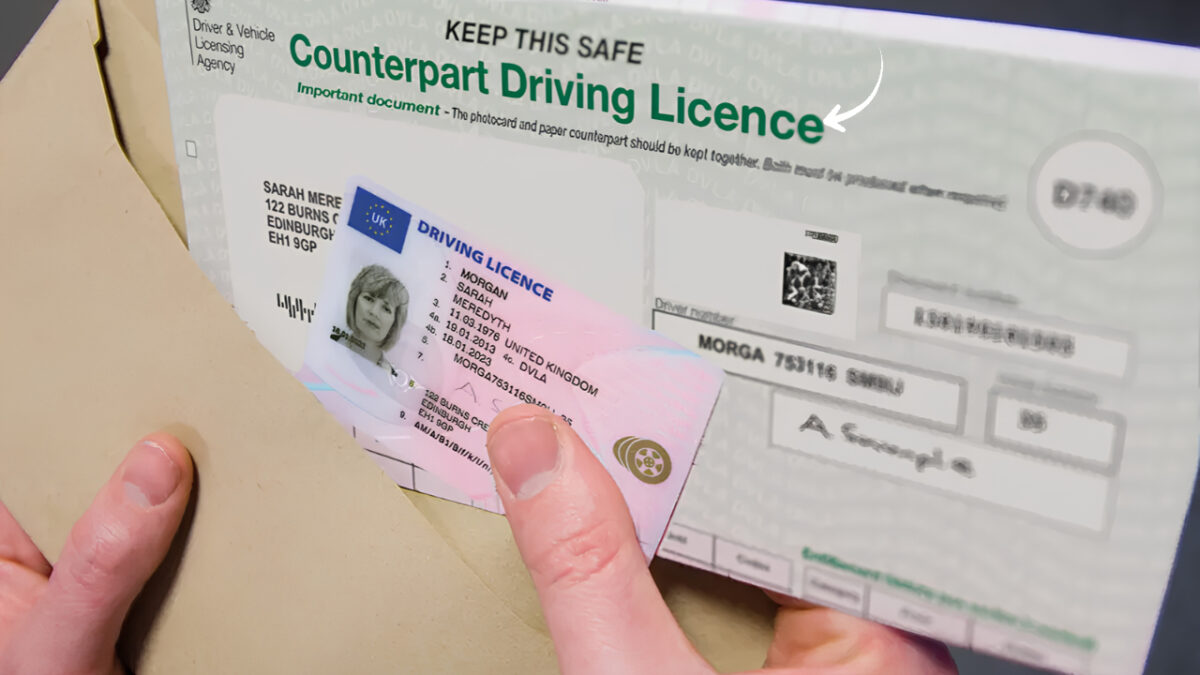
There is no confirmed blanket driving licence rule beginning in December 2026. The relevant debt recovery powers came into force on 24 June, with enforcement gradually rolling out from October.
For households already managing financial pressure, understanding that distinction matters. This is not a new licensing requirement for every motorist, nor does receiving benefits automatically put someone’s right to drive at risk.
What the New Powers Actually Allow
The measures sit within the Public Authorities (Fraud, Error and Recovery) Act 2025. They give the DWP additional ways to pursue outstanding debts when ordinary recovery efforts have not worked.
In the most serious cases, the department can ask a court to temporarily disqualify someone from holding a driving licence. That does not mean an official can simply cancel a licence after sending an unanswered letter.
Court involvement is a central part of the process, and the driving restriction is intended as a last resort rather than a routine collection tool.
Who Could Face Court Action?
The government describes the powers as targeting people who have stopped receiving benefits but still refuse to repay money owed. Crucially, the published government response says these new recovery powers cannot be used against people receiving DWP benefits. That protection challenges suggestions that all current claimants face an immediate driving ban.
The department must distinguish between someone unable to afford repayment and someone who has the means to pay but refuses without reasonable excuse. An outstanding balance alone does not explain whether the conditions for this particular enforcement route are met.
A Court Must Consider the Circumstances
Before a driving restriction becomes possible, the case must satisfy legal conditions. These include a statutory minimum debt threshold and restrictions on using disqualification where recovery through other means remains reasonably possible.
The legislation also requires the court to consider whether the person needs a licence to earn a living or has another essential need. These are meaningful safeguards, not minor details.
A headline suggesting that any unpaid benefit debt automatically leads to losing a licence leaves out the decisions and protections built into the legal process before enforcement can go ahead.
Why the First Order Is Suspended
The process does not normally begin with an immediate ban. Instead, the court first makes a suspended disqualification order, setting repayment terms while allowing the individual to retain their licence.
Keeping to those terms prevents the disqualification from taking effect. This creates another opportunity to resolve the debt without losing the ability to drive.
If the repayment conditions are breached, the DWP can return to court to seek an immediate disqualification order. The distinction matters because a suspended order and an active driving ban have very different consequences for everyday life.
Work and Essential Travel Have Protection
For many households, driving is not a convenience. It is how someone reaches paid work, provides care or meets other essential responsibilities. Government guidance says a court cannot impose the order where an individual has an essential need for their licence, including work dependent on driving or caring responsibilities.
This does not mean every personal preference qualifies for protection. It means the court must consider essential need rather than treating every case identically. The circumstances behind someone’s journeys therefore matter far more than a general assumption that alternative transport must be available.
How Long Could Disqualification Last?
Where the court eventually makes an immediate disqualification order, the legislation limits its duration to a maximum of two years. That is a ceiling, not an automatic sentence applied to everyone involved.
The court determines the period within the statutory framework. Describing every case as a guaranteed two-year ban would therefore be misleading. Equally, presenting the measure as a permanent cancellation would exaggerate its scope.
The power concerns temporary disqualification connected with debt recovery, and readers should distinguish that from ordinary licence renewal rules, medical licensing decisions or penalties for unsafe driving.
Repayment Engagement Remains the Main Issue
The government says individuals can avoid potential disqualification by engaging with the DWP, agreeing voluntary repayment terms and maintaining them. Its published response also stresses that the measure is reserved for the most serious cases.
The practical distinction is between resolving an outstanding debt through an agreed arrangement and persistently avoiding repayment despite having the means.
Reporting should not blur that distinction by presenting financial hardship as deliberate refusal. Nor should it suggest that every disputed balance, missed communication or difficult month automatically satisfies the requirements for a court application against someone.
What December Really Means for Drivers DWP Driving Licence New Rule
As December approaches, the accurate message is that an existing enforcement rollout may continue, not that every British driver faces a fresh DWP licensing rule.
The official code applies to England, Scotland and Wales, another important detail when discussing the measures as a UK story. Drivers should judge alarming claims against the actual framework: limited eligibility, court oversight, repayment opportunities and protection for essential driving needs.
Those details explain the policy far better than a dramatic deadline. December itself does not remove those safeguards or turn the measure into an automatic nationwide licence cancellation programme.