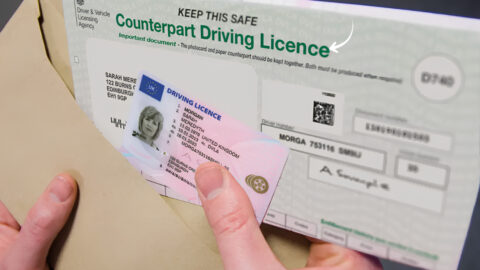
The change concerns debt recovery, allowing DWP to ask a court for driving disqualification in serious cases involving persistent refusal to repay. Ordinary licence holders do not face an automatic ban simply because they have received benefits or owe the department money.
What Has Changed Under the DWP Rules?
The new powers come from the Public Authorities (Fraud, Error and Recovery) Act 2025. DWP announced that relevant powers came into force on 24 June 2026, with enforcement scheduled for gradual introduction from October 2026.
They include recovering certain debts directly from bank accounts and seeking court involvement over driving licences. However, the department describes driving disqualification as a last resort, rather than a routine response to an unpaid balance. Several conditions must be satisfied before that stage.
Who Could Be Affected by Driving Disqualification?
The measure targets people with outstanding DWP debts where established recovery methods cannot reasonably secure repayment. It is particularly relevant to individuals who have stopped receiving benefits and whose debts cannot reasonably be recovered through PAYE earnings.
Official correspondence says these powers cannot be used where recovery through benefits or earnings is reasonably possible. Being outside the benefits system does not, by itself, make someone liable to lose their licence. Their repayment history, financial circumstances and reasons for non-payment matter.
Does Receiving Benefits Put Your Licence at Risk?
Receiving benefits does not automatically place a driving licence at risk under this measure. The published code says DWP cannot use its driving disqualification power against someone who, when the application is made, is entitled to and receiving a DWP benefit.
This distinction matters because broad headlines can leave existing claimants unnecessarily worried. The policy is not a general restriction on claimants driving, owning vehicles or holding licences. It addresses a specific debt enforcement situation, with safeguards attached.
Why the Court Makes the Final Decision
DWP cannot simply cancel a driving licence because somebody has ignored a letter. It must apply to a court, which must consider whether the individual had the means to repay but failed to do so without reasonable excuse. Official guidance also requires opportunities to engage before escalation.
This creates an important separation between the department pursuing repayment and the court deciding whether the legal conditions are met. The process is not an automatic administrative penalty.
Why a Suspended Order Comes First
The first driving disqualification order must be suspended. That means the individual can continue holding their licence while complying with repayment terms set by the court.
If those terms are breached without reasonable excuse, DWP can seek an immediate disqualification order. The published code provides for such disqualification to last up to two years.
Missing a payment should therefore prompt contact, rather than silence. A genuine explanation needs to be raised so it can be considered before further action.
Protection for People Who Need to Drive
An essential need to drive is an important safeguard. Government guidance says a court cannot impose disqualification where it determines that the individual needs their licence for essential purposes, including earning a living or fulfilling caring responsibilities.
Someone relying on driving should explain their circumstances clearly and provide supporting evidence where available. The issue is not simply whether losing a licence would be inconvenient, but whether driving serves an essential role that the court must take into account.
Have Driving Qualifications or Eligibility Changed?
These DWP powers do not introduce new learner qualifications. Existing provisional licence guidance for Great Britain requires applicants to meet age, eyesight and residency conditions.
Applicants must be at least fifteen years and nine months old, read a number plate from twenty metres and have permission to live in Great Britain for at least 185 days.
Those requirements concern obtaining a licence. DWP debt enforcement concerns possible restrictions on holding one, making the two subjects legally and practically different.
What to Do After Receiving a Warning
Anyone receiving a relevant DWP warning should read it carefully and respond rather than assume a ban is inevitable. The department says voluntary engagement and affordable repayment remain the preferred outcome, with opportunities to explain personal circumstances before enforcement progresses.
Keep copies of correspondence and explain any health difficulties, communication barriers or financial hardship affecting the situation. Where the debt or proposed repayments are disputed, raise those concerns promptly and consider independent debt advice before agreeing to something unsustainable.
Does This Apply Throughout the United Kingdom? DWP Driving Licence Rule is Changed
Readers should be careful about describing the framework as identical across the whole United Kingdom. The official correspondence explaining the supporting recovery regulations states that it applies to England, Scotland and Wales.
Northern Ireland should not automatically be treated as operating under the same arrangements without checking its relevant rules. For drivers in Great Britain, the central message is straightforward: the change concerns serious debt recovery, not a blanket reassessment of driving ability, age, medical fitness or licence eligibility.