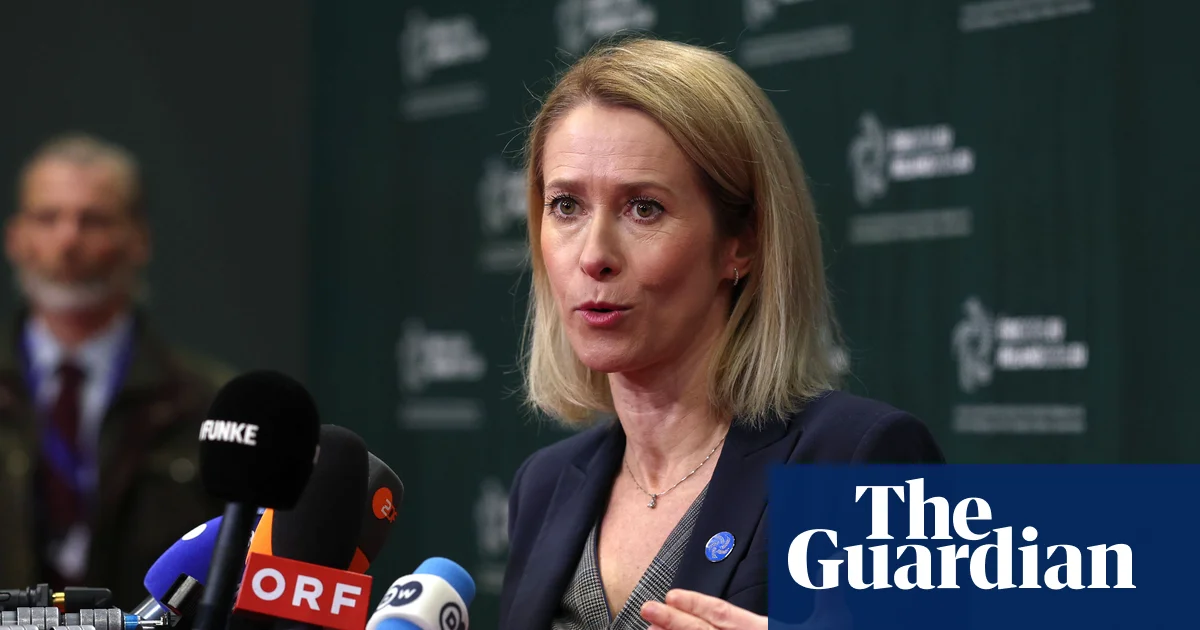
Kaja Kallas warns EU against Russian traps in Ukraine peace talks, Digi Mart USA News (Dublin): The EU’s foreign policy chief, Kaja Kallas, has warned against “walking into the traps that Russia is setting”, saying Moscow is trying to start a debate about European security to divert attention from its aggression. Speaking on arrival at an EU leaders’ summit in Dublin, she said the aggressor and the victim were clear and that Russia had attacked others rather than being threatened itself.
The remarks follow the latest round of talks between Ukraine, Russia and the United States in Abu Dhabi. Russia has revived hardline demands for a total overhaul of European security, proposals that were rejected in 2021 because they were seen as an infringement of the sovereignty of central and eastern European countries.
US envoy Jared Kushner said on Thursday that Russia and Ukraine had agreed to expand the next round of negotiations to include Europeans, but Russia quickly contradicted that assurance.
European leaders have said they will support Ukraine in any peace talks but want a ceasefire before negotiations, and stress that Europe already has an extensive web of security agreements that Russia has violated. German Chancellor Friedrich Merz said Russia’s proposals on a European security architecture were unnecessary because that architecture already exists, and that Germany should be part of any European delegation.
Kremlin spokespeople said Moscow would decide on an expanded format once it understood Europe’s real intentions, while Russia’s lead negotiator, Vladimir Medinsky, said it was unclear what there was to discuss with Europe.
After the Dublin summit, European Council president António Costa said leaders had agreed on a negotiating team made up of the EU institutions and the E5 countries: Britain, France, Germany, Italy and Poland. He said Europe must speak with one clear and united voice.
Sweden’s prime minister, Ulf Kristersson, described the debate over who should represent Europe as slightly overstated, while Ireland’s Taoiseach, Michéal Martin, said the UK and Norway also had significant roles.