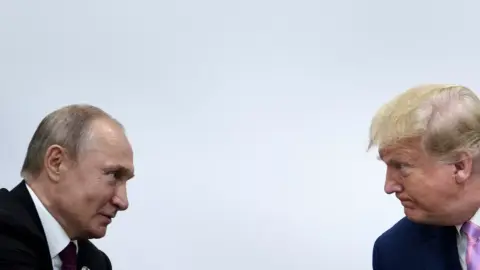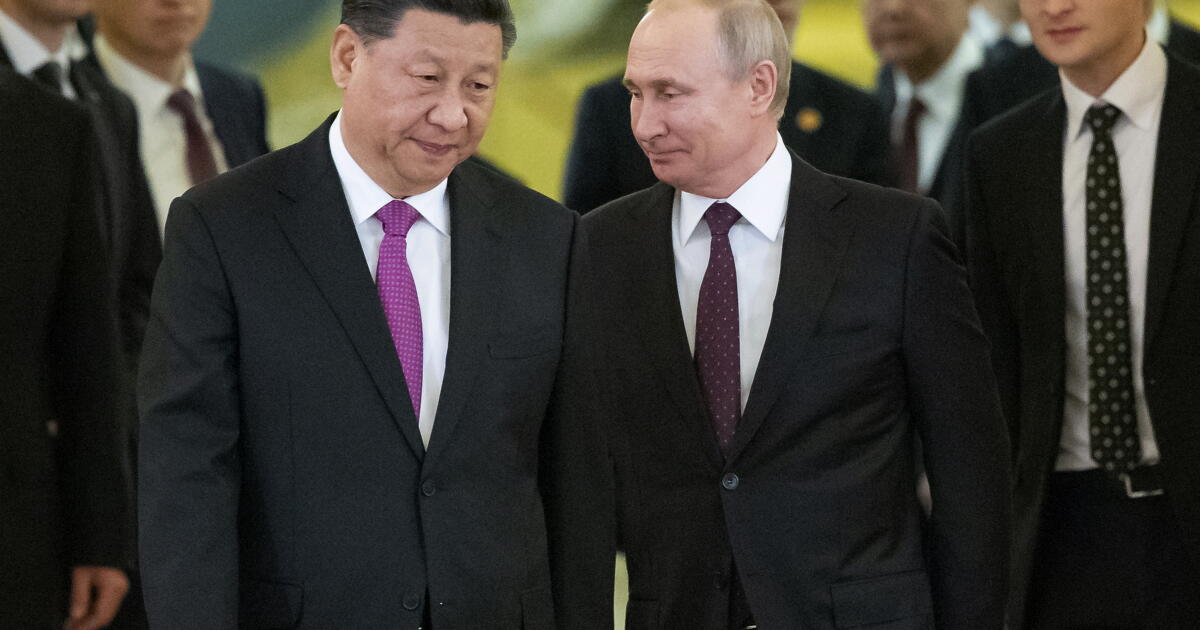
Trump Putin Xi trilateral summit in Shenzhen, Digi Mart USA News (Shenzhen, China): U.S. President Donald Trump, Russian President Vladimir Putin and Chinese President Xi Jinping are set to meet Thursday at a summit in southern China, a gathering Trump has long sought.
The White House formally confirmed the meeting on Friday, after Trump had earlier teased it publicly.
According to the Los Angeles Times, the three leaders are arriving with markedly different priorities. Trump hopes to focus on nuclear nonproliferation and urge Russia and China to work with the United States to reduce the world’s largest nuclear stockpiles.
Putin has pressed for the meeting to address his ongoing war in Ukraine, while Xi reportedly wants to discuss neither topic, seeing the summit mainly as a way to show China can help broker peace internationally.
A senior Trump administration official told the paper that Washington does not expect an arms control agreement from the meeting, describing it as an “entry point” for future talks. Chinese officials also signaled little prospect of a breakthrough, with one official saying Beijing sees no benefit in a pause to its nuclear buildup, calling it “a matter of survival.”
The report notes the United States and Russia each hold over 5,000 warheads, while China has an estimated 620 and is developing new warheads with more sophisticated delivery systems. Russia is also modernizing its arsenal after the Trump administration allowed the last major U.S.-Russian nuclear arms treaty to expire earlier this year.
The U.S. official said Trump does not intend to discuss Ukraine at the meeting, a position the Times describes as sensitive given Kyiv’s concerns over U.S.
pressure for concessions to Moscow. The only American business leader confirmed to join Trump in Asia is Elon Musk, whose company Starlink was involved in a recent decision restricting Ukraine’s battlefield access to the satellite service.
The Times adds that the summit may carry more symbolism than substance, drawing comparisons to the 1945 Yalta conference, and that the event follows the midterm elections, which the report describes as the worst electoral rebuke to a president in half a century.