sintered stone flooring, Digi Mart USA News: Plain tile flooring has long been a common choice, but simple porcelain and ceramic options found in builder-grade homes are often chosen for cost and wide appeal rather than personality. Homeowners looking for a more distinctive upgrade may consider sintered stone, according to a House Digest article.
Sintered stone is not a naturally occurring stone. It is made from natural minerals heated to extreme temperatures and compressed into slabs.
Unlike quartz surfaces, it does not rely on resins or binders, and it is designed to resemble natural stone while avoiding some of the demanding upkeep that natural stone often requires.
The material is described as non-porous, meaning it generally does not need the regular sealing that many natural stones require. The article says sintered stone resists staining, scratches, heat up to 300 degrees Fahrenheit and weather, which it presents as useful for a range of installation locations.
Sintered stone is most often sold as large-format slabs, and it comes in many colors and finishes that mimic natural stone, from veined Calacatta marble to dark basalt. Minimal grout lines can reduce visual interruption and make cleaning easier, according to the article.
The article also notes limitations. Sintered stone is a relatively new material and can be harder to find, especially at a reasonable price.
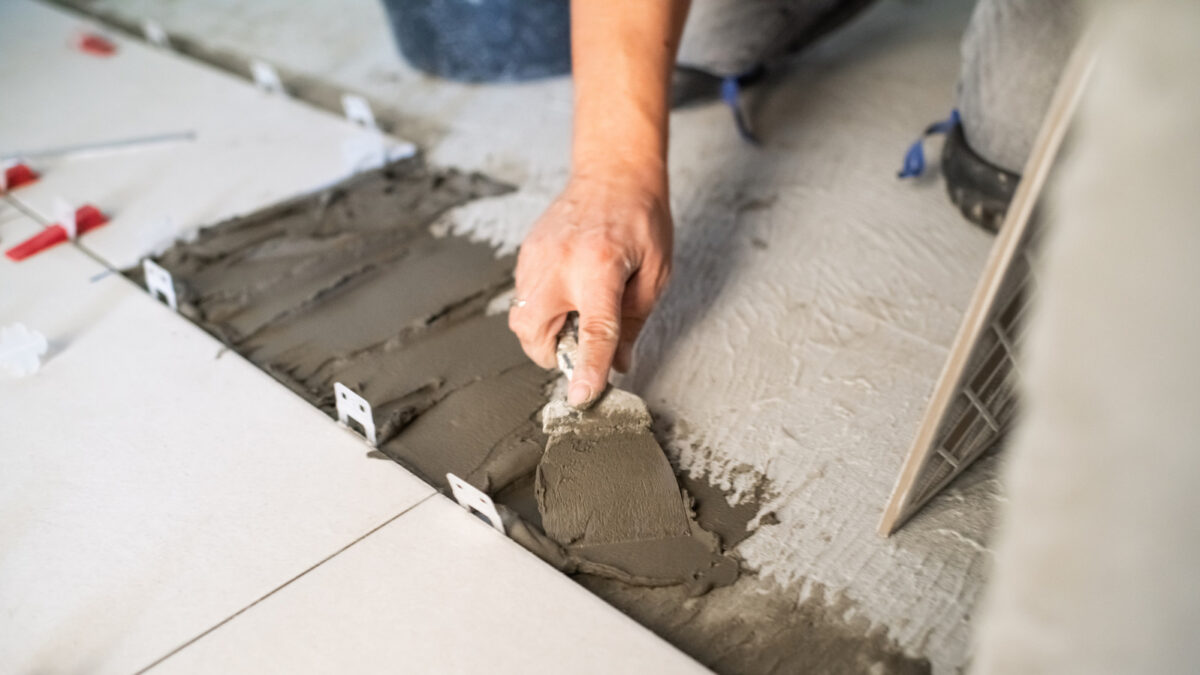
Installation may be more difficult because many workers are not yet familiar with it. The material is durable overall but can chip at the edges and requires professional equipment and training to cut.
Cost is a major consideration. According to data from Alvis cited in the article, materials typically cost between $40 and $120 per square foot, with labor usually between $30 and $60 per square foot.
Removal of existing flooring and shipping may add to the total, and the article notes that the most popular manufacturers are based in Europe, which can make shipping costly for American customers.