Support for Canadian military veterans and their transition to civilian life, Digi Mart USA News (Quebec, Canada): Ahead of Remembrance Day, three leaders of Quebec community organizations ask a question they say few people or institutions consider: when veterans need help, who is there to support them and extend a hand?
The authors note that Quebec has a particular relationship with the military world, shaped in part by its history and its view of armed conflicts. They argue that recognizing veterans’ service does not mean endorsing every political decision that led to their deployment.
Behind every uniform, they write, is first a human being: a mother who leaves her children, a father who misses birthdays, a person who accepts risking their safety to protect others. Each return to civilian life, they add, brings a new story to build.
The authors say veterans are not spared the difficulties affecting society as a whole. Psychological distress, sexual violence experienced during service, suicide risk, homelessness and strained family ties affect them in disproportionate ways, and experiences during military service and the challenges of transition can increase their vulnerability.
They cite a 2024 survey by Veterans Affairs Canada, published in 2024, in which 20.2% of surveyed veterans said they had had suicidal thoughts at some point in their lives, and 5.8% had experienced them in the previous 12 months. They also cite Statistics Canada data from 2022 showing that 7.5% of women and 2.8% of men in the Regular Force reported having experienced sexual assault in a military context in the previous 12 months.
Canadian homelessness counts conducted between 2020 and 2022 found that 4% of homeless people interviewed identified as veterans of the Canadian Armed Forces, according to the authors. They also note that the effects can extend beyond the individual who served, straining couples, parent-child relationships and family balance.
The authors stress that these difficulties do not define all veterans, many of whom continue their lives without significant challenges and contribute to their communities. For those going through hard times, however, access to appropriate support can make a decisive difference.
They argue that community organizations, foundations and engaged partners are essential, helping build a safety net that goes beyond institutional services by offering non-judgmental listening, resources, family support, crisis prevention and a path back to belonging. A successful transition, they write, is measured not only by finding a job or housing but also by regaining balance, meaning, dignity, connections and a sense of belonging.
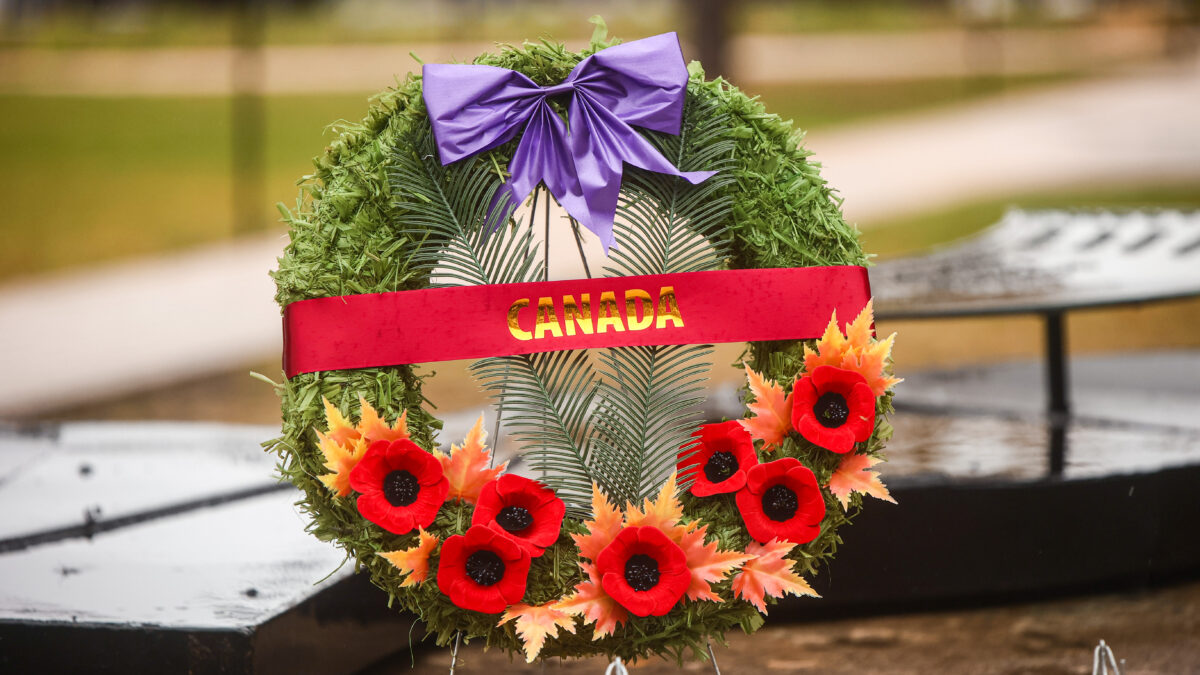
On November 11, the authors write, Canadians remember those who never returned, and they call for remembrance to become a collective commitment toward those who did come back, their families and children, and those living with invisible wounds. They urge Quebecers to turn recognition into concrete actions throughout the year: listening, welcoming, supporting and contributing to initiatives serving the veteran community.
The article is signed by Cassandra Poudrier, general director of Quatre-Chemins; Chloé Deraiche, general director of Le Sentier; and Jonathan Audet, general director of the Fondation québécoise des vétérans.