UK Cabinet divisions over Brexit reset and closer EU ties under Prime Minister Andy Burnham, Digi Mart USA News: Prime Minister Andy Burnham is struggling to contain Cabinet splits over Brexit after top ministers used a private meeting to air disagreements over the Government’s EU strategy, according to i News.
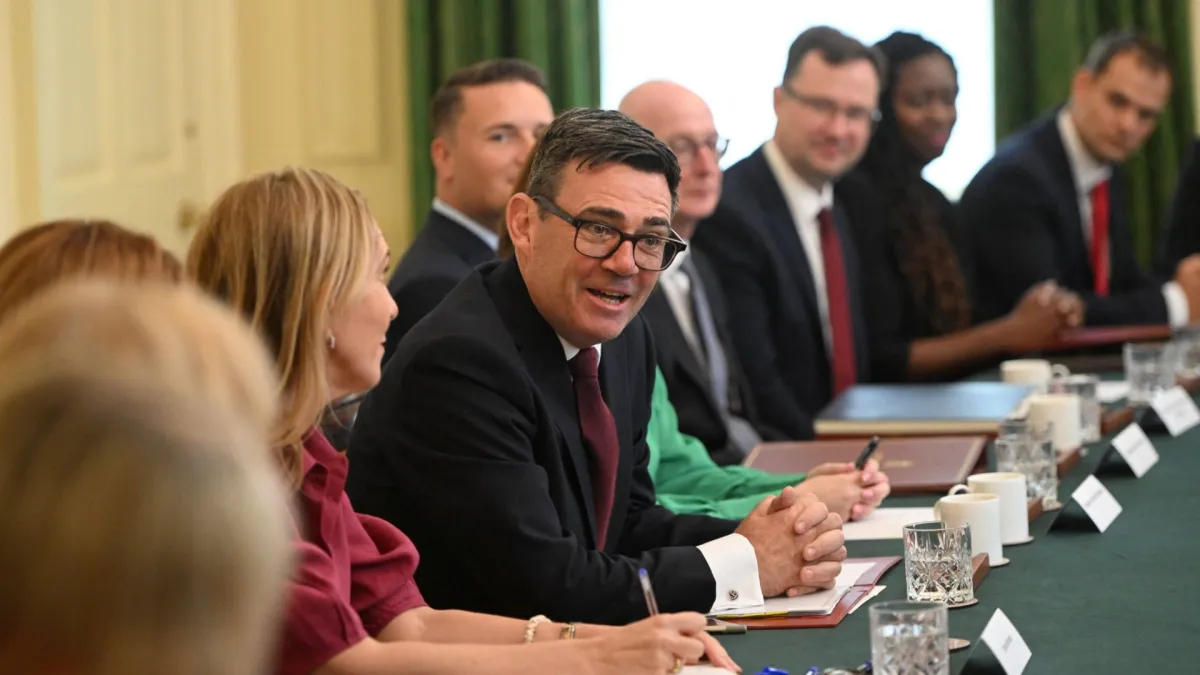
The Prime Minister convened his most senior ministers for a behind-closed-doors political Cabinet meeting on Tuesday, with no officials present. The discussion covered the Government’s Brexit reset and Burnham’s plan to explore options for getting closer to the EU, including rejoining the bloc.
Burnham struggled to dampen divisions among Cabinet ministers, which were first revealed by The i Paper. Ministers used the meeting to express differing views on the future relationship with Brussels.
One source with knowledge of the discussion said there was a “clear divide between those who want to go further and those who don’t want to push the issue too far.”
The source said no consensus position was reached at the meeting. This is a setback for Burnham’s plan to persuade reluctant Cabinet ministers, who oppose moving too quickly toward a closer relationship with Europe, to unite behind him.
Burnham has not explicitly backed a specific plan and intends to set out options before building consensus. He has, however, previously indicated that he favors closer EU ties and wants to see the UK rejoin the bloc in his lifetime.
There are concerns that internal divisions over moving closer to the EU could undermine the Government’s position.
Some fear the breakdown of collective responsibility could recreate the conditions that proved so damaging to David Cameron, when divisions over Europe hardened into two warring camps. Officials are reportedly working on messaging aimed at voters in traditionally Leave-supporting constituencies.
The argument will focus on how closer ties with the EU could strengthen national security, help tackle the small boats crisis and bring down the cost of living. A source familiar with the discussions said: “They will make sure there is something compelling to say to their voters.”
Separately, private polling reportedly shows growing support for closer EU ties, even in traditionally Leave-voting constituencies. This is expected to strengthen Burnham’s hand and help persuade ministers representing Leave-voting areas, who believe their seats are electorally safe, to change their minds.
Tensions surfaced at the top of government last week after Chancellor John Healey appeared to distance himself from Burnham’s ambition for Britain to rejoin the EU in his lifetime. Asked by Channel 4 News whether he expected Britain to rejoin, Healey replied: “I’m older than Andy Burnham.
I don’t expect to see that.” He said his priority was making the most of Britain’s position outside the bloc.
Culture Secretary Lisa Nandy also struck a cautious note in interviews on Sunday, warning that closer EU ties would involve “costs as well as benefits” and that voters must be consulted on the trade-offs. She insisted, however, that she supported a closer relationship.
The comments have caused irritation at No 10, amid fears that public divisions could undermine the Government ahead of the UK-EU summit in Brussels on November 20, when Burnham hopes to sign a reset deal with the EU allowing for under-30s migration and easier trade. One senior Whitehall source said Nandy had since been “reined in.”
Meanwhile, Ed Miliband is reportedly embracing the Government’s new stance on Europe. Beyond the Prime Minister’s speech on Monday and his remarks after the summit, Miliband is keen to front the Government’s messaging and is expected to take on several of next week’s media rounds.
“He has made it very clear that this is his gig,” said one source familiar with the discussions.
Downing Street would only say that Burnham told the political Cabinet meeting that “no sensible person thought the Brexit deal negotiated by the Conservatives was working for the country.” In a readout, No 10 said: “He argued there could be a significant prize next week if we successfully secure practical agreements that make the country better off.” Ministers said the government would put Britain’s interests first by taking opportunities next week that cut red tape on businesses and ease prices for consumers.
The Prime Minister is weighing whether to reveal more of his thinking on Europe in a speech on Monday, but this is not expected to be the major moment where he sets out options for the UK to move closer to the EU. That is expected to follow next week’s Brexit reset summit in Brussels on November 20, at which the two sides are poised to sign historic deals on food and drink trade, youth mobility and linking carbon markets.