US naval blockade of Iranian oil exports, Digi Mart USA News: Iran’s oil exports have nearly come to a standstill under a US naval blockade. At least 54 loaded tankers remain stuck off the coast, and an energy expert warns of a dramatic escalation as early as November.
Fereidun Fesharaki, honorary chairman of the energy consultancy FGE NexantECA, told Bloomberg: “By the end of November they will be starving, because no more money is coming in.” Despite this, he considers a near-term peace with the United States unlikely and sees a high risk of new attacks on Iran.
Data from the organization United Against Nuclear Iran (UANI) show the scope of the blockade. As of October 31, US forces had reportedly turned back 144 commercial vessels, stopped four more and boarded two.
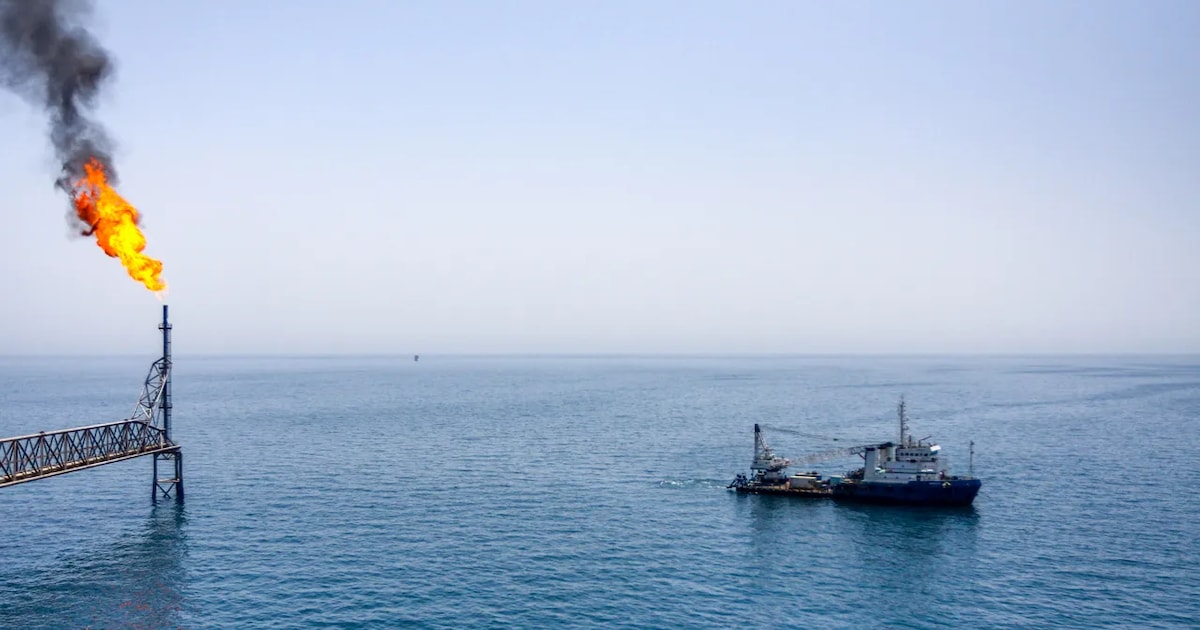
At least 54 tankers carrying Iranian crude oil, oil products or liquefied gas remain off the coast, while smaller LNG carriers have occasionally been able to pass the blockade.
According to Fesharaki’s estimate, only 200,000 to 300,000 barrels per day of Iranian oil now reach the market via Iraq. Bloomberg, citing an analysis of ship movements, reported that no Iranian crude was loaded onto tankers in September and October.
The loss of oil revenue is hitting Tehran hard. However, the economic pressure has so far not produced major concessions.
Fesharaki said Iran’s leadership sees Donald Trump as weakened after his Republican Party’s defeat in the US midterm elections and is making demands Washington is unlikely to accept.
Diplomacy nonetheless continues. An Iranian government representative confirmed to Reuters that Tehran has sent a proposal on its nuclear program to the United States via Qatar.
Iran, however, ties talks to seven conditions, including an end to the US naval blockade, sanctions relief and the release of frozen funds. Full reopening of the Strait of Hormuz is also linked to these conditions.
Fesharaki considers the situation more difficult than before the strait was temporarily reopened in June.
For investors, this presents a dangerous contradiction. New attacks could again disrupt oil supply, while an oversupply is pressuring prices.
Fesharaki currently considers $80 to $90 per Brent barrel appropriate and, given rising surpluses, sees prices of $65 to $70 as possible by around November 2027. The blockade could therefore continue to squeeze Iran economically without bringing a peace settlement closer, while the oil market swings between war risk and oversupply.