

UK wild bird decline, Digimart Global (United Kingdom): The Office for Environmental Protection (OEP), the independent environmental regulator, has said that Environment Secretary Angela Eagle, her department and Natural England are breaking the law by failing to intervene to slow the decline of Britain’s wild birds. The regulator made the statement on Wednesday, according to the publisher’s report.
New data cited in the report shows wild bird populations have fallen to their lowest level on record. Almost half, or 45%, of 132 native breeding species are in decline over a five-year period.
According to the British Trust for Ornithology (BTO), Britain has lost more than 73 million wild birds from its landscape in the last five decades.
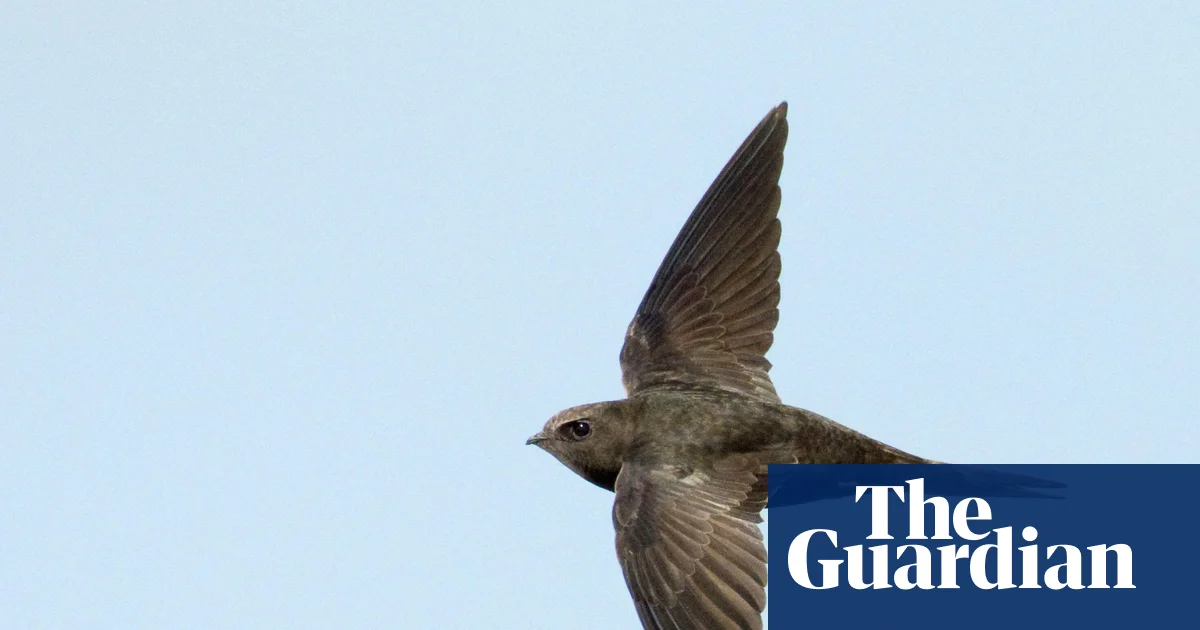
The losses include some of Britain’s best-loved garden birds, such as swifts, turtledoves and tree sparrows, as well as wood warblers and bullfinches. Ministers have legal duties to take action to recover bird populations to healthy levels and to designate Special Protection Areas (SPAs) where birds and their habitats are legally protected.
According to the OEP, Eagle has breached environmental law by failing to classify new SPAs, extend existing sites or add new species to those already protected. Natural England is accused of failing to take the action needed to maintain or restore wild bird populations to appropriate levels and to ensure they have sufficient habitats.
The government’s independent nature adviser is also accused of failing to carry out a review of whether there is sufficient habitat for wild birds.
The OEP said that review was meant to provide an expert and independent assessment of habitat diversity and area for wild birds, and to identify gaps and the action needed to support their recovery. Helen Venn, the OEP’s chief regulatory officer, said continued delays by ministers have left a significant number of sites without the protection they need.
There are 82 SPAs in England, as well as six cross-border and offshore sites.
The government is legally bound to expand protected areas as part of its 30 by 30 commitment to protect at least 30% of land and seas for nature’s recovery by 2030. Defra’s latest statistics, cited in the report, indicate that nearly half of all species are in decline in both the short and long term. The RSPB’s chief executive, Beccy Speight, called for urgent action, including new and extended SPAs and targeted measures for curlew, bittern and hen harrier.
The Department for Environment was approached for comment.