
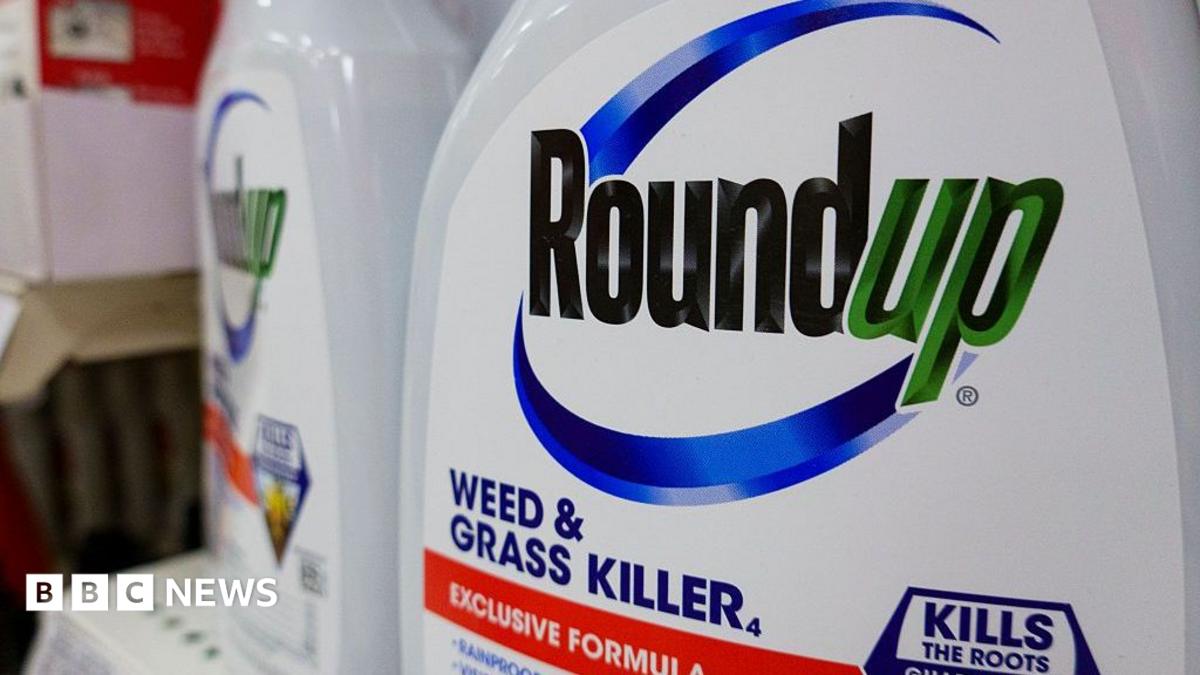
Roundup settlement, Digimart Global (Missouri, US): A Missouri judge on Friday approved a $7.25 billion (£5.5 billion) settlement tied to lawsuits alleging that Bayer’s Roundup weedkiller causes cancer. Judge Timothy Boyer said the settlement was “fair, reasonable, and adequate.”
According to the BBC report, Bayer had proposed paying the $7.25 billion to definitively resolve the legal battle in the United States. The nationwide settlement will be paid to Roundup users who are already sick with non-Hodgkin lymphoma and to those who fall ill in the future.
The company had already paid roughly $10 billion to resolve litigation related to Roundup.
Individual settlement amounts range from $10,000 to $165,000, depending on how frequently a person used the product, when they were diagnosed and how severe their illness was. Bayer will make annual payments into a fund for up to 21 years, providing as much as $7.25 billion in total.
Objections and the court’s decision
Some attorneys objected to the settlement funds, arguing they were not enough. The judge said he did not want to delay payouts to sick victims.
Bayer denies that its Roundup product causes cancer.
Background to the litigation
The settlement follows a June ruling by the Supreme Court in favour of Bayer, which overturned a $1.25 million settlement for a Missouri man who said Roundup and its ingredient glyphosate caused his non-Hodgkin lymphoma. The court ruled 7-2 that Bayer cannot be sued in state courts because federal regulations do not mandate a cancer warning label.
The company has faced thousands of claims in US state and federal courts from people alleging they developed cancer after using the product.
Roundup was developed by Monsanto in the 1970s. Its active ingredient, glyphosate, was identified in 2015 by the International Agency for Research on Cancer, a unit of the World Health Organization, as a probable human carcinogen.
Bayer and some other regulators, including the US Environmental Protection Agency, have disputed those findings. Juries in several states have awarded billions of dollars to herbicide users, forcing the company through years of costly litigation.